Texas Freshwater Fisheries Center Review: Tanks, Fishing, and Quiet Trails in East Texas
As a membership holder, I’ve visited the Texas Freshwater Fisheries Center in Athens, TX countless times—often just to walk the trail with my camera. It’s one of those quiet East Texas spots that blends a working hatchery, fishing ponds, a small museum, and peaceful nature trails into something worth the drive. Here’s my honest take on what to expect.
What Is the Texas Freshwater Fisheries Center?
Visitors should understand that the Texas Freshwater Fisheries Center is a fishery, not a traditional aquarium, and that distinction matters for setting expectations. A fishery’s purpose is breeding and raising local fish species for conservation—restocking Texas lakes and educating the public about freshwater ecosystems.
While there are fish exhibits for public viewing, it is a community-centric fishing experience highlighting a limited selection of local species in simple natural habitats. So if you arrive expecting the exotic fish and massive, fancy exhibits of something like the Dallas World Aquarium, you will be starkly disappointed. But if you arrive understanding that this is a smaller community-focused conservation facility for fishing enthusiasts, you’ll find a lot of value here.
Ticketing, Parking, & First Impressions
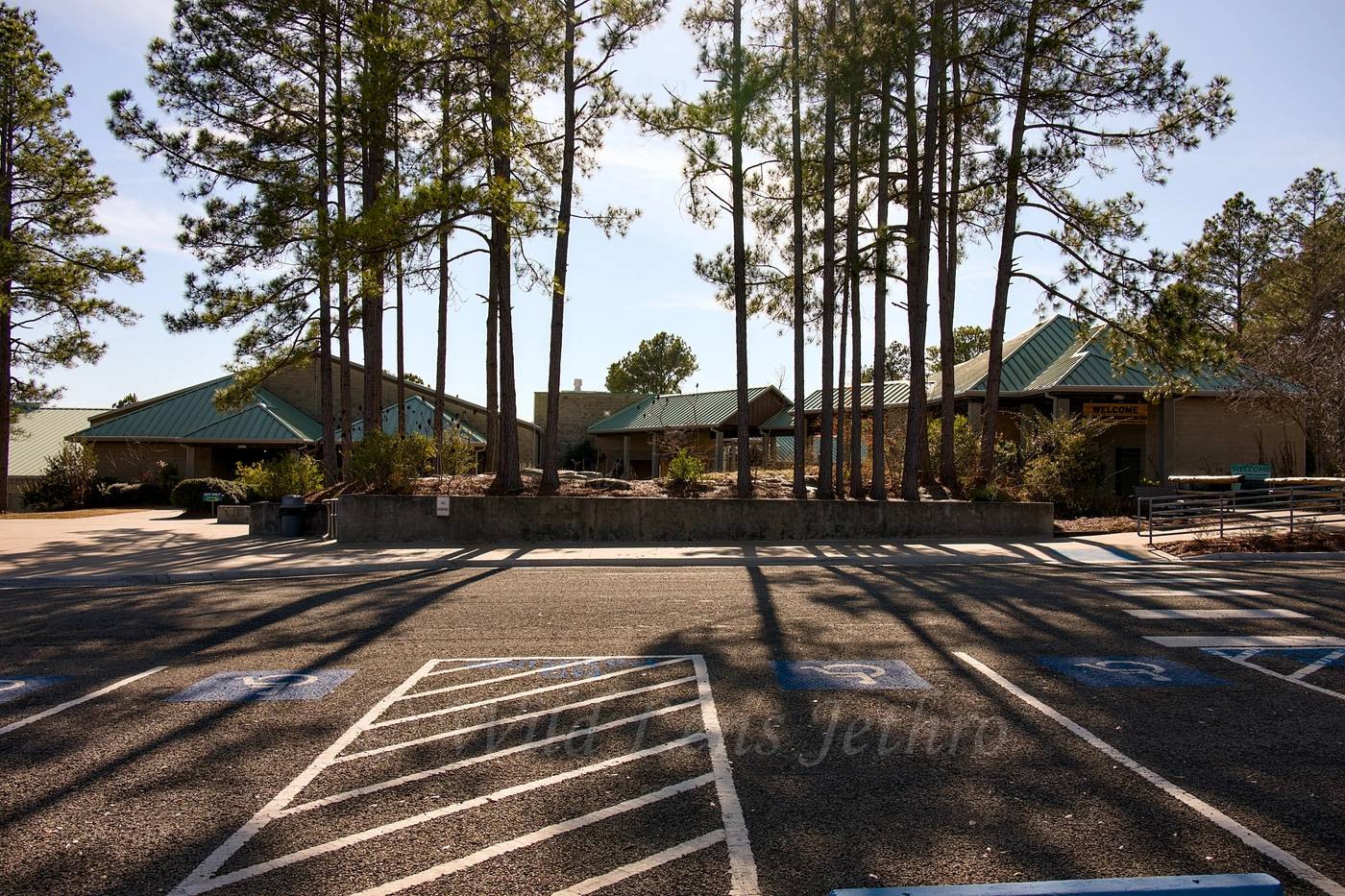
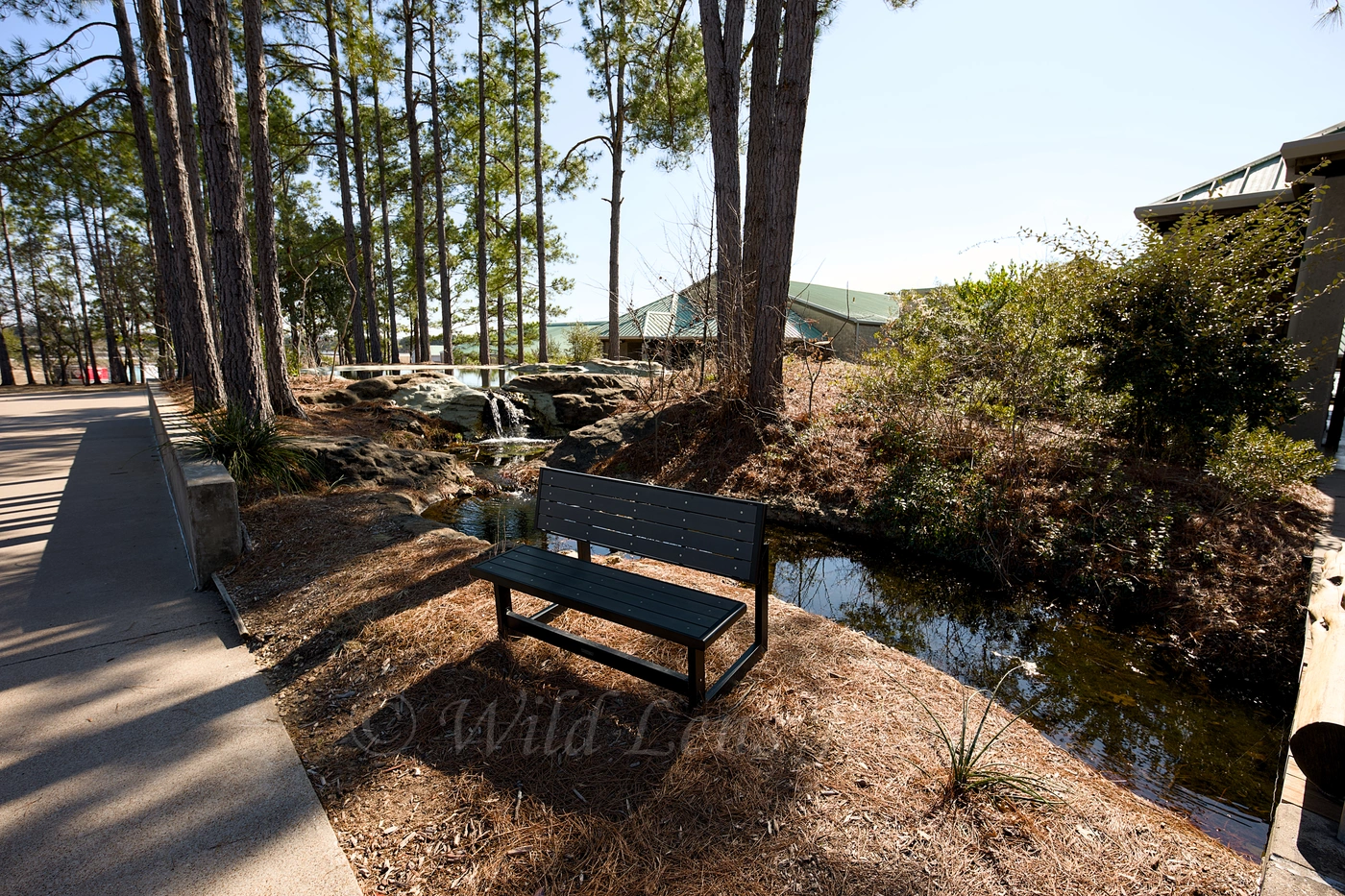
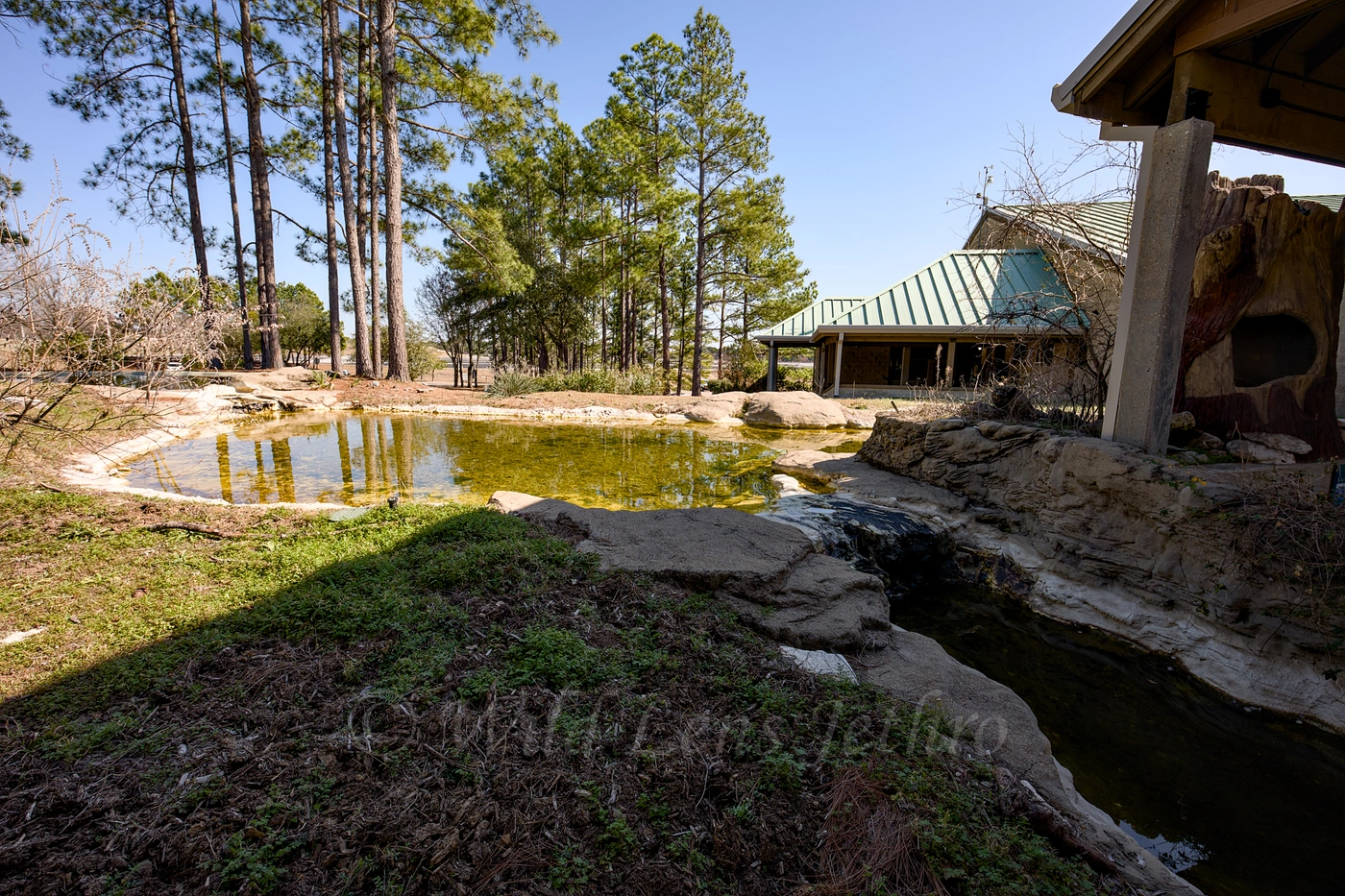
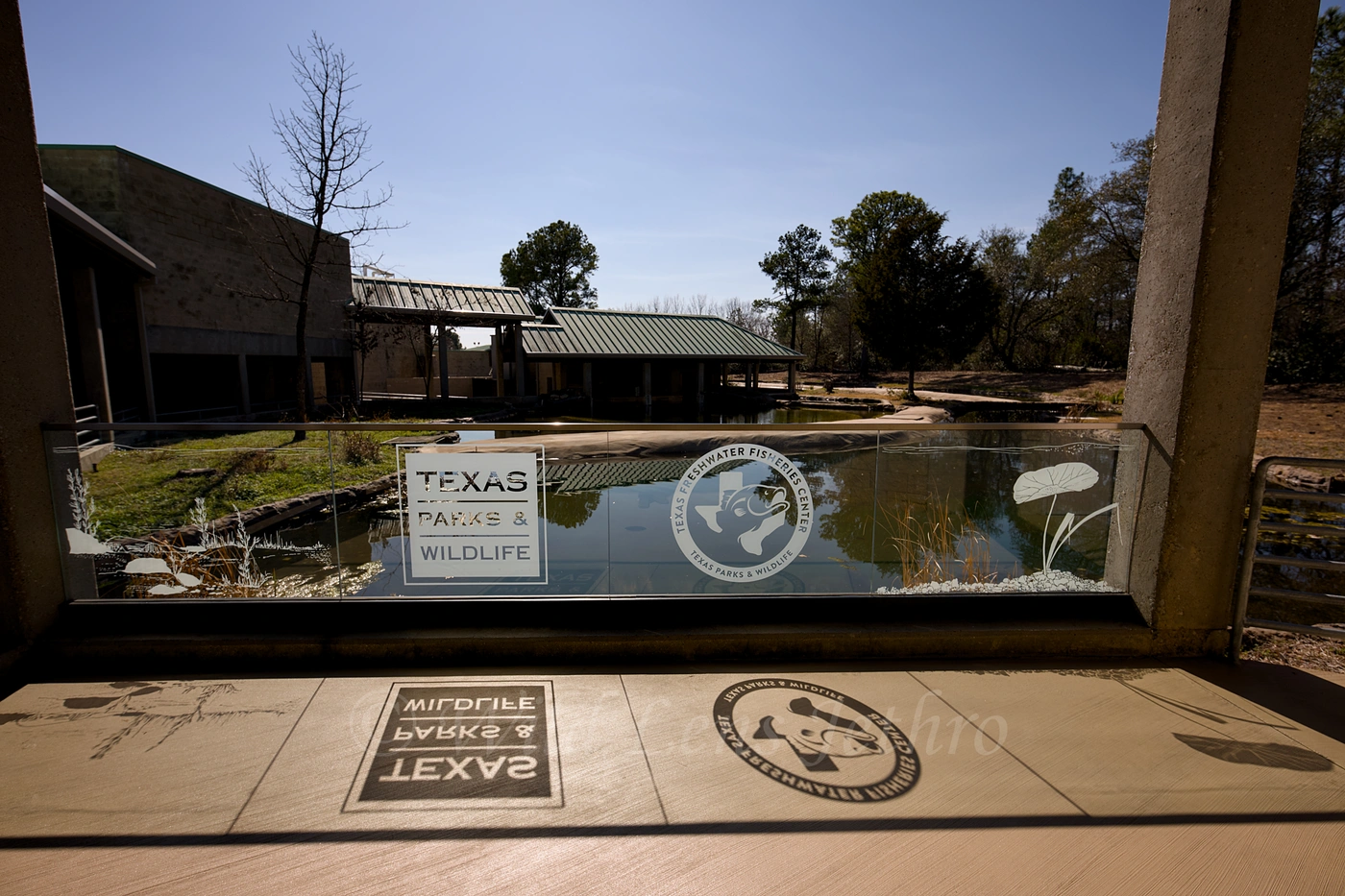
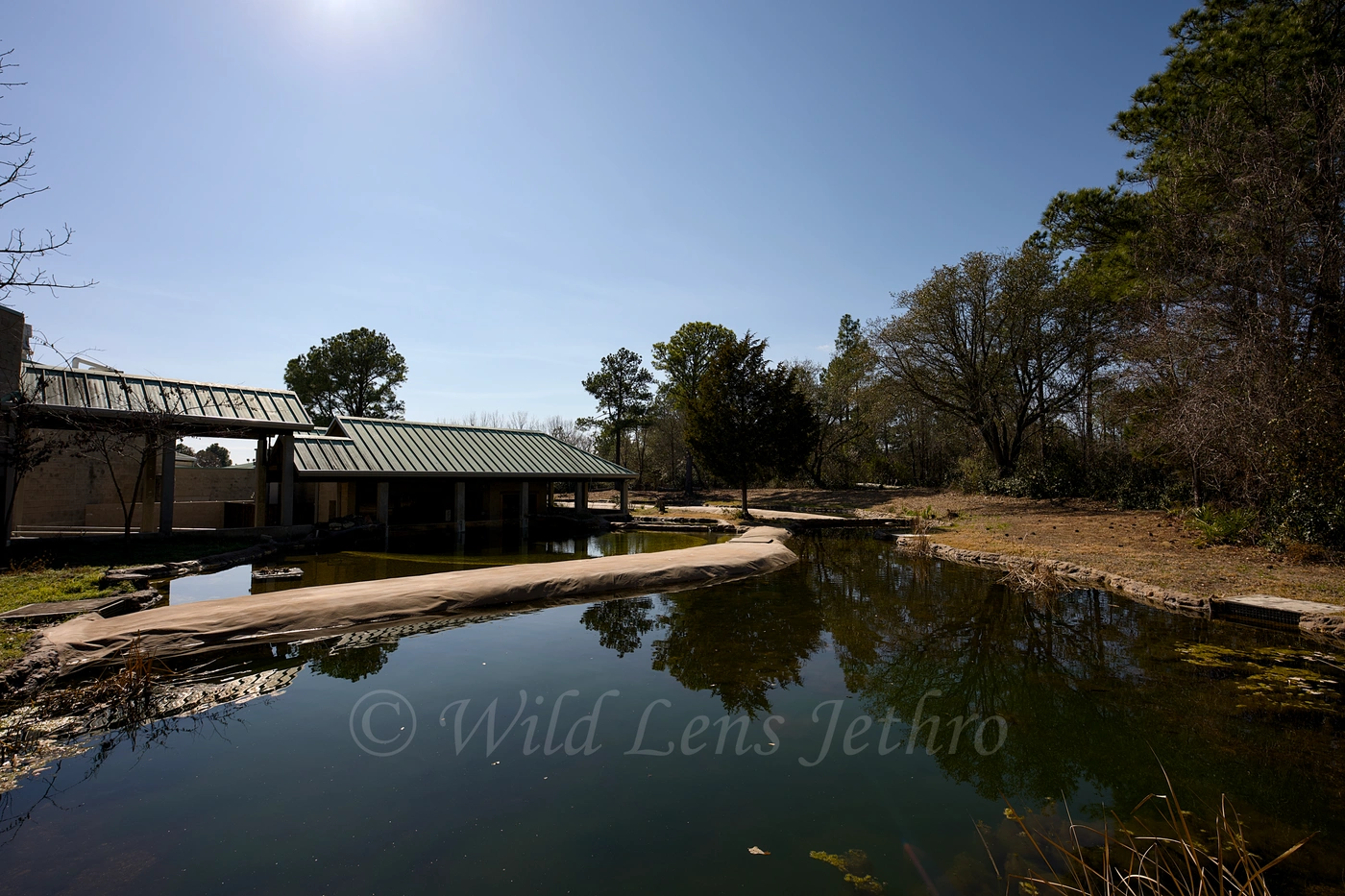
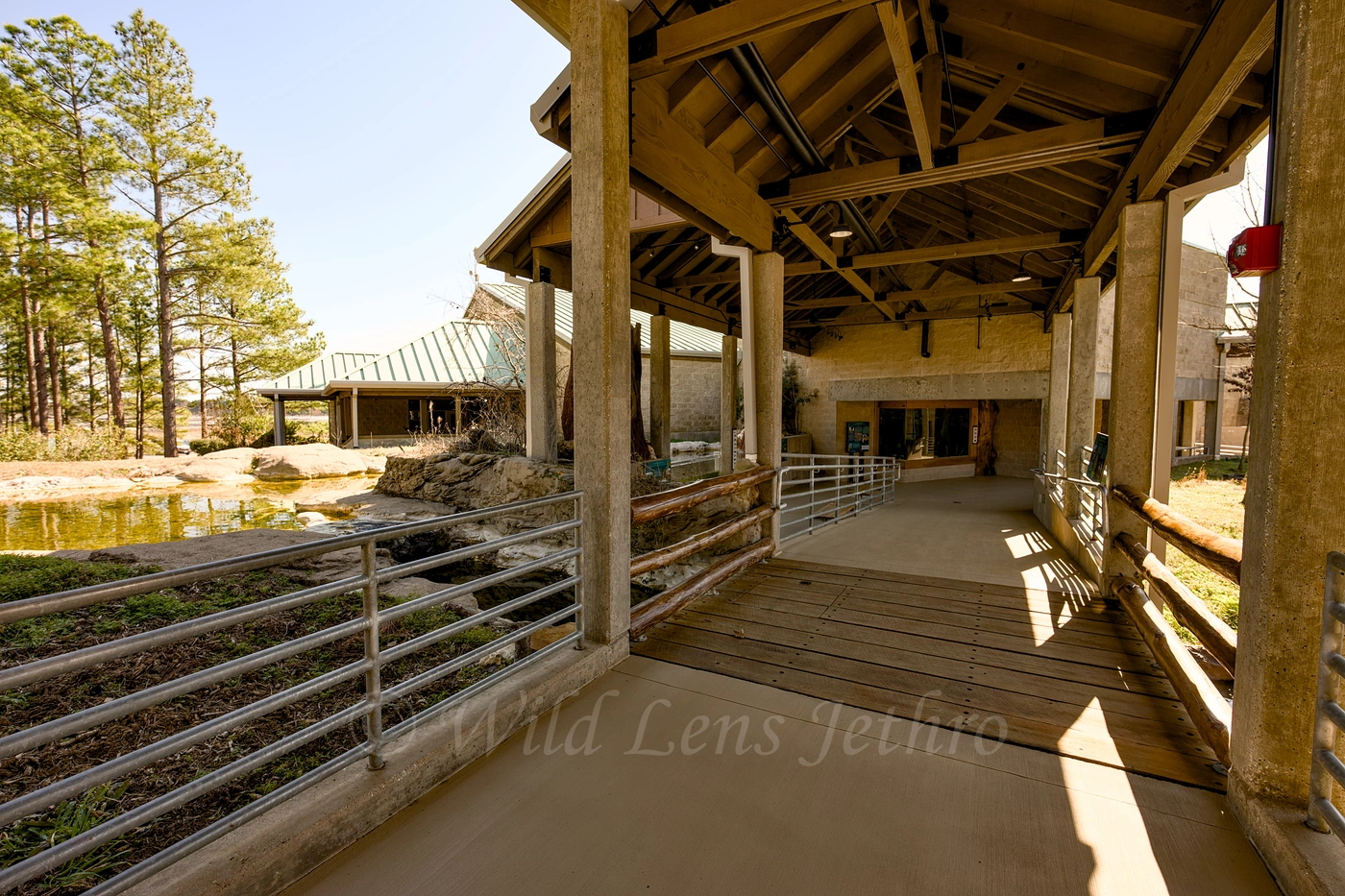

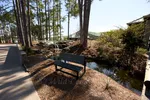
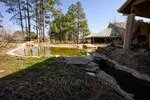
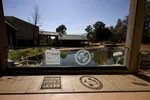
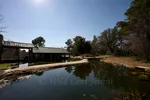
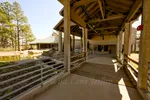
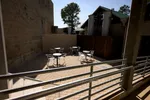
The arrival process is refreshingly simple. After pulling into the spacious lot, you’ll walk past scenic outdoor ponds and hear the gentle sound of flowing water before checking in at the booth with their friendly staff. Even on weekends, it never feels crowded.
Admission is very affordable—around $5.50 per adult, with lower pricing for children and seniors. For what you get, the value is excellent.
From check-in:
- Go left to enter the exhibits building.
- Follow the right concrete path toward fishing ponds and the Wetlands Trail.
The Exhibits Building
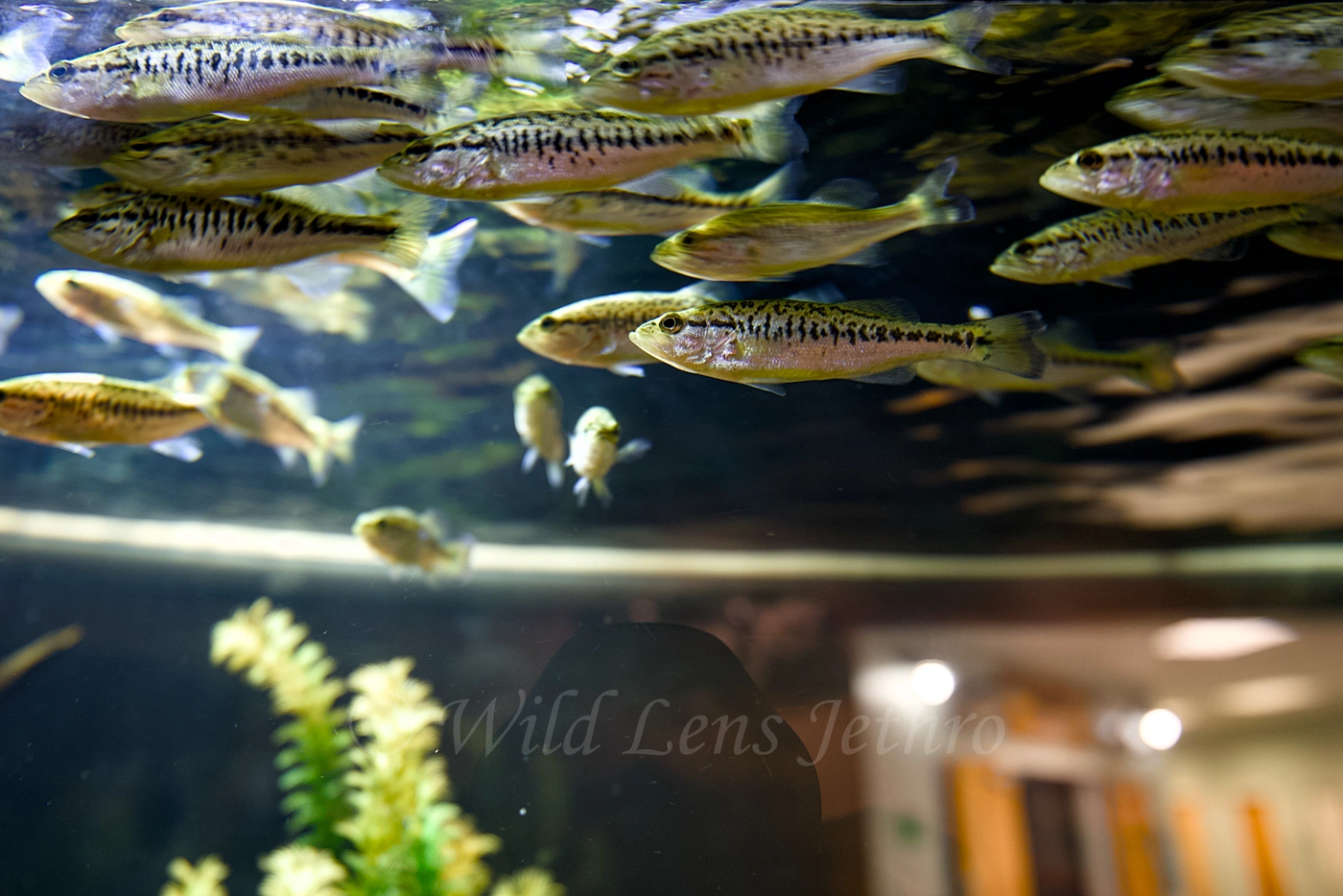
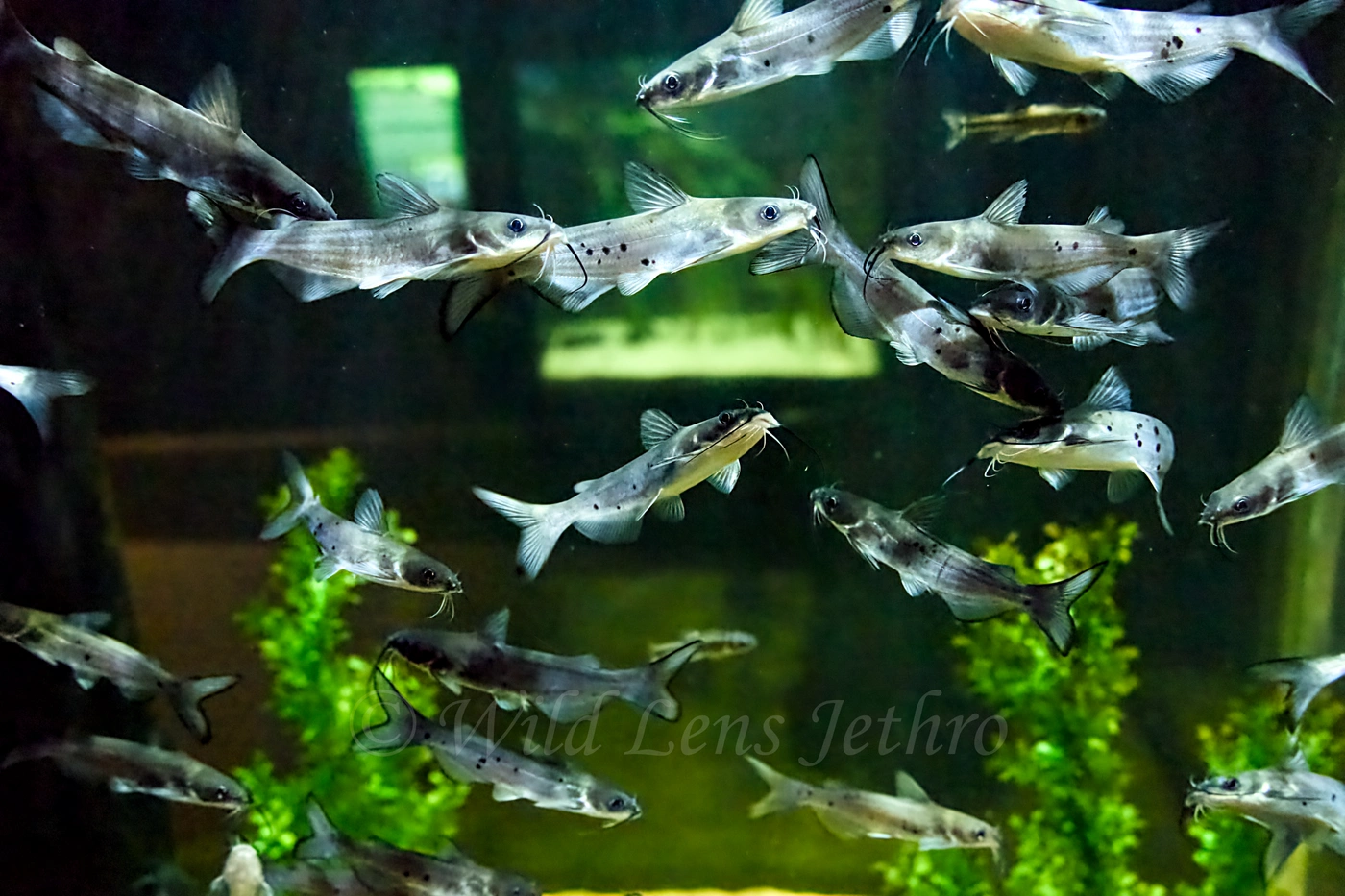
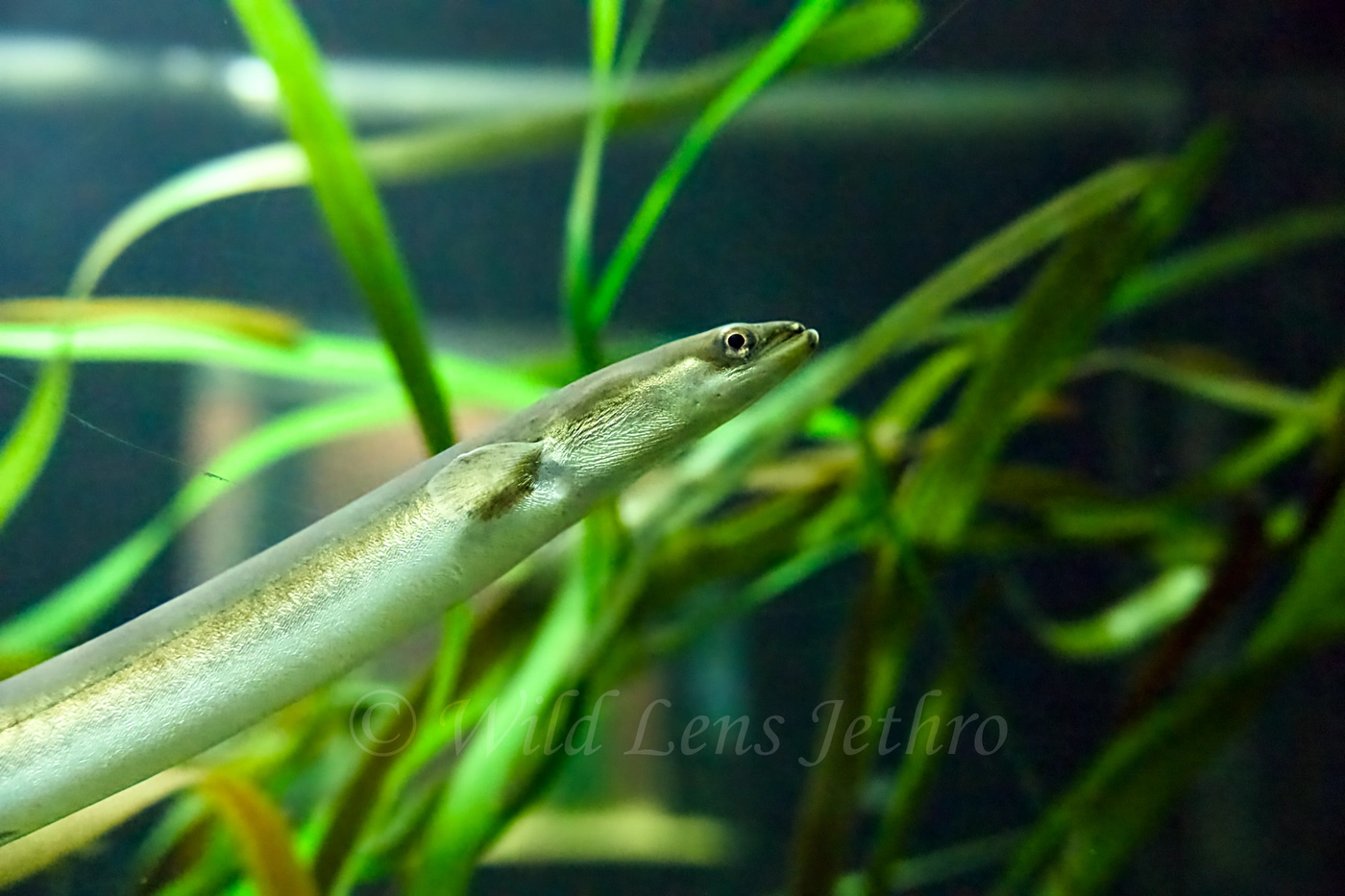
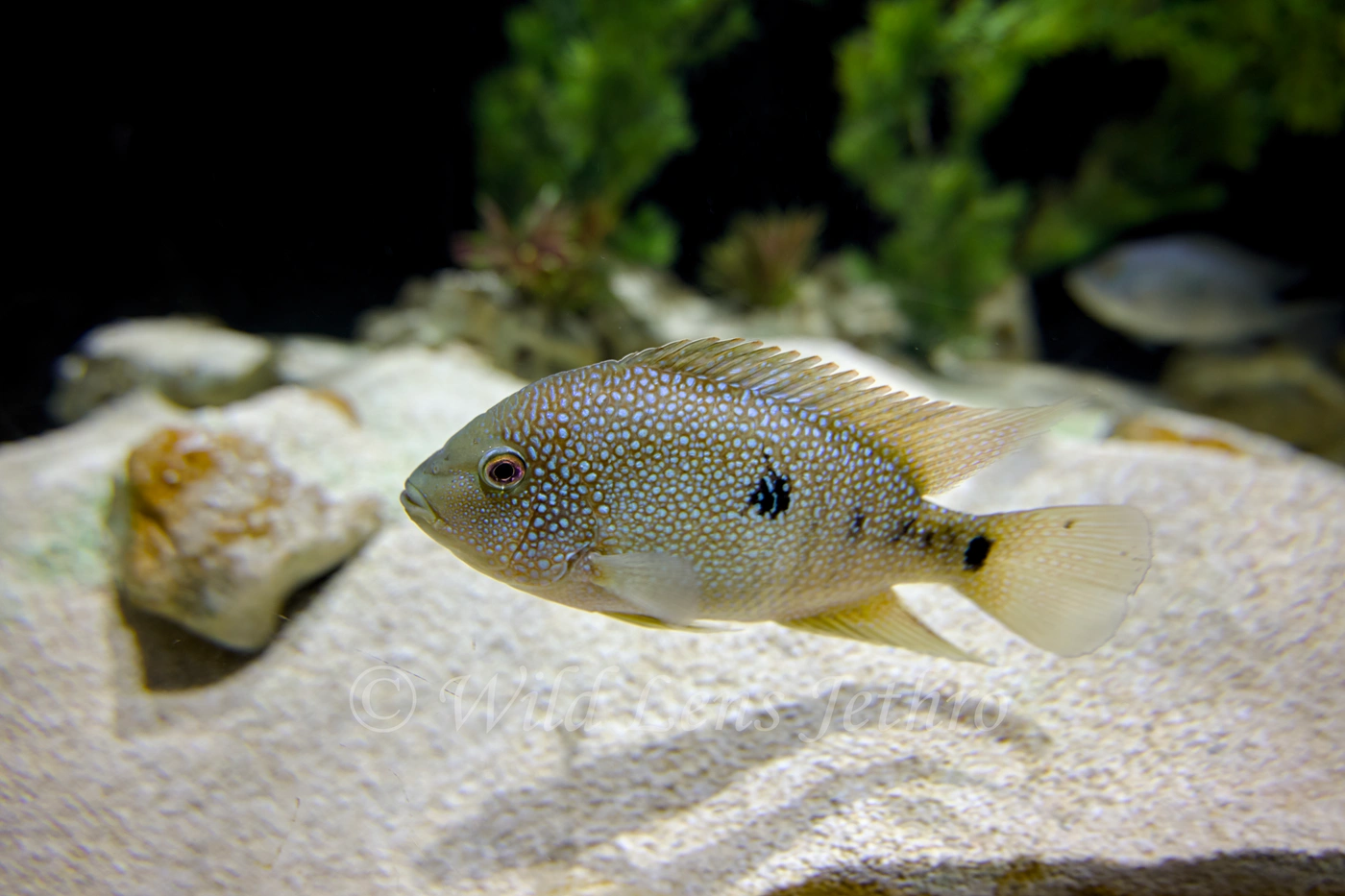
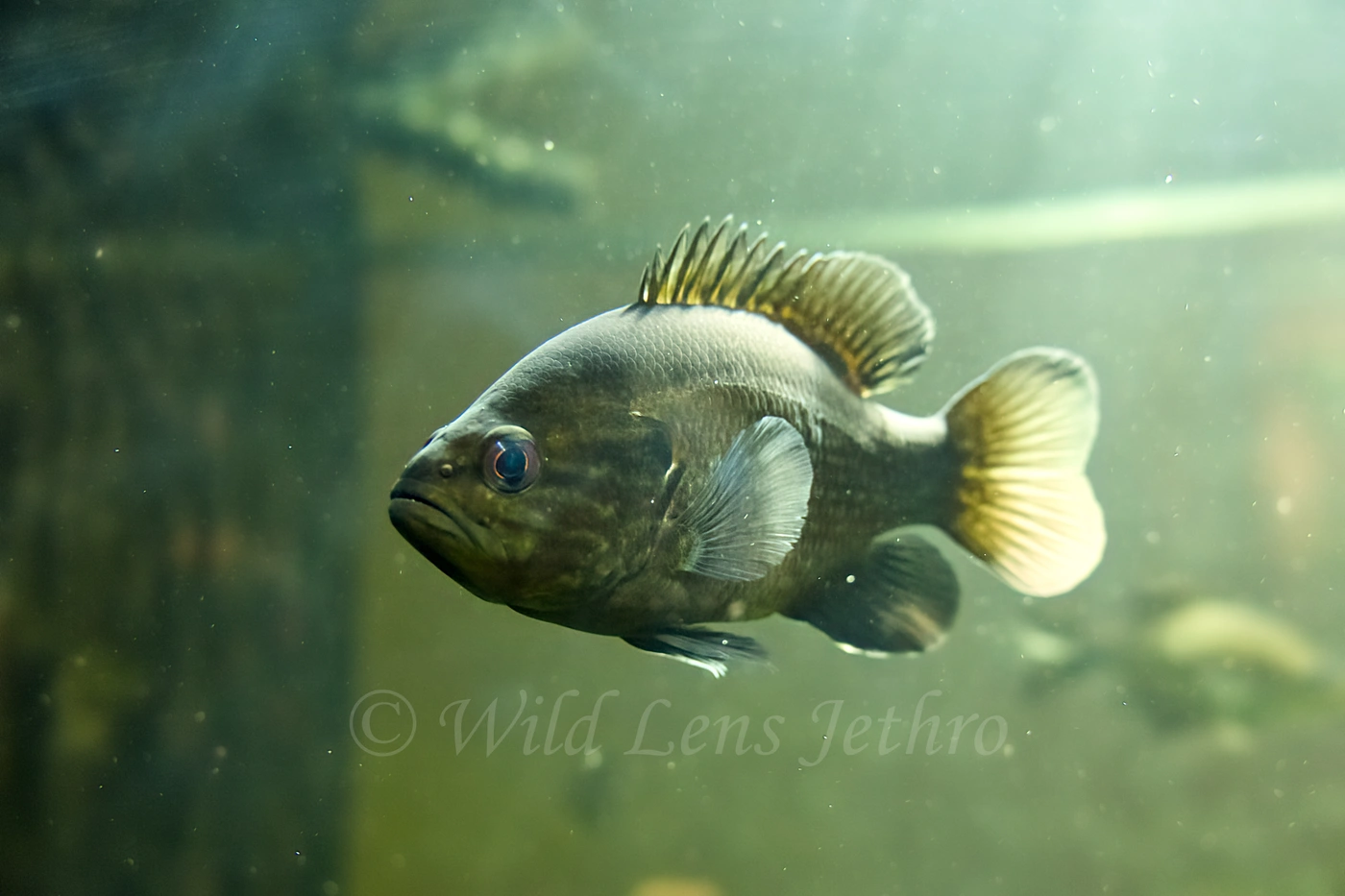
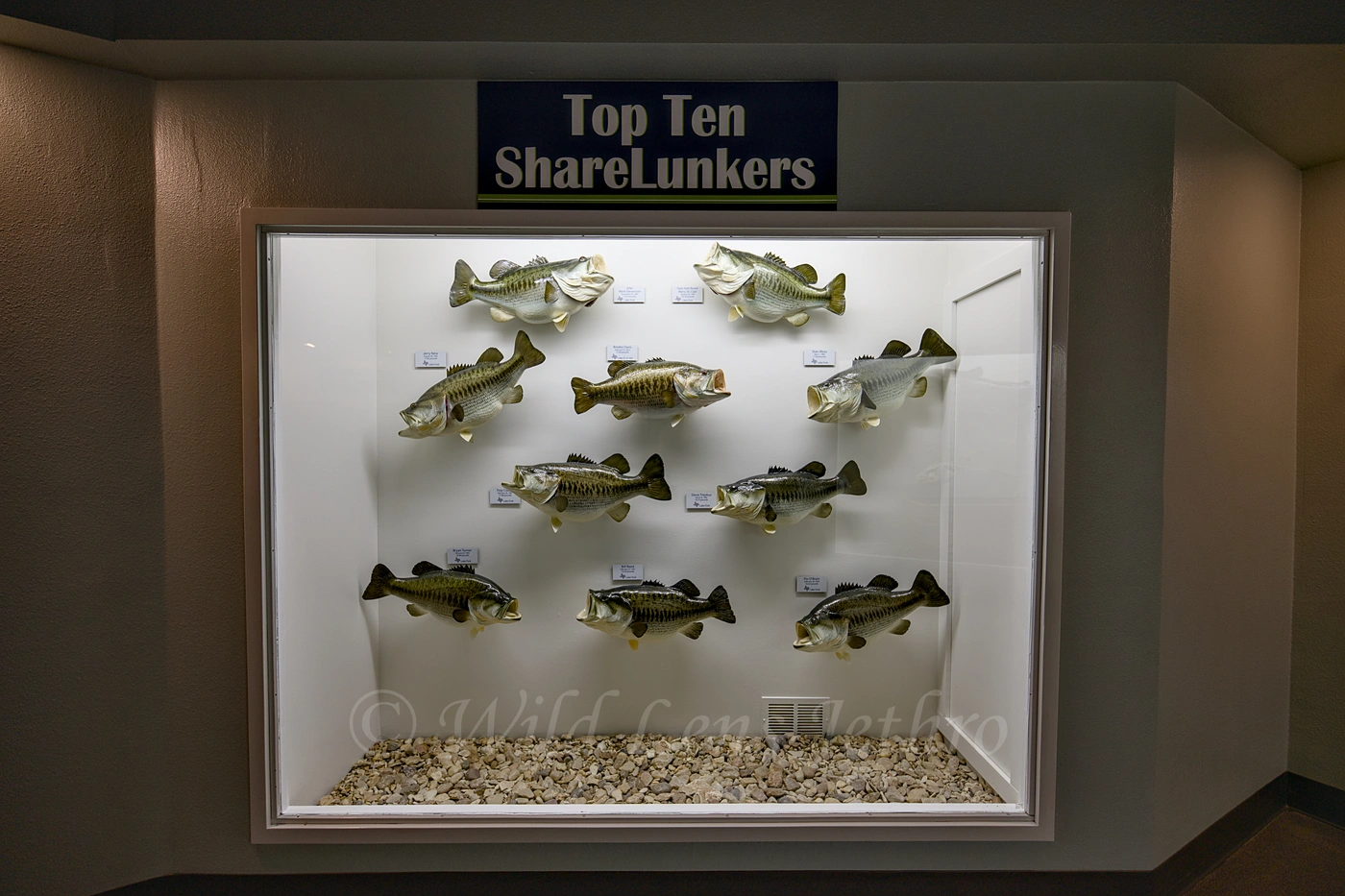
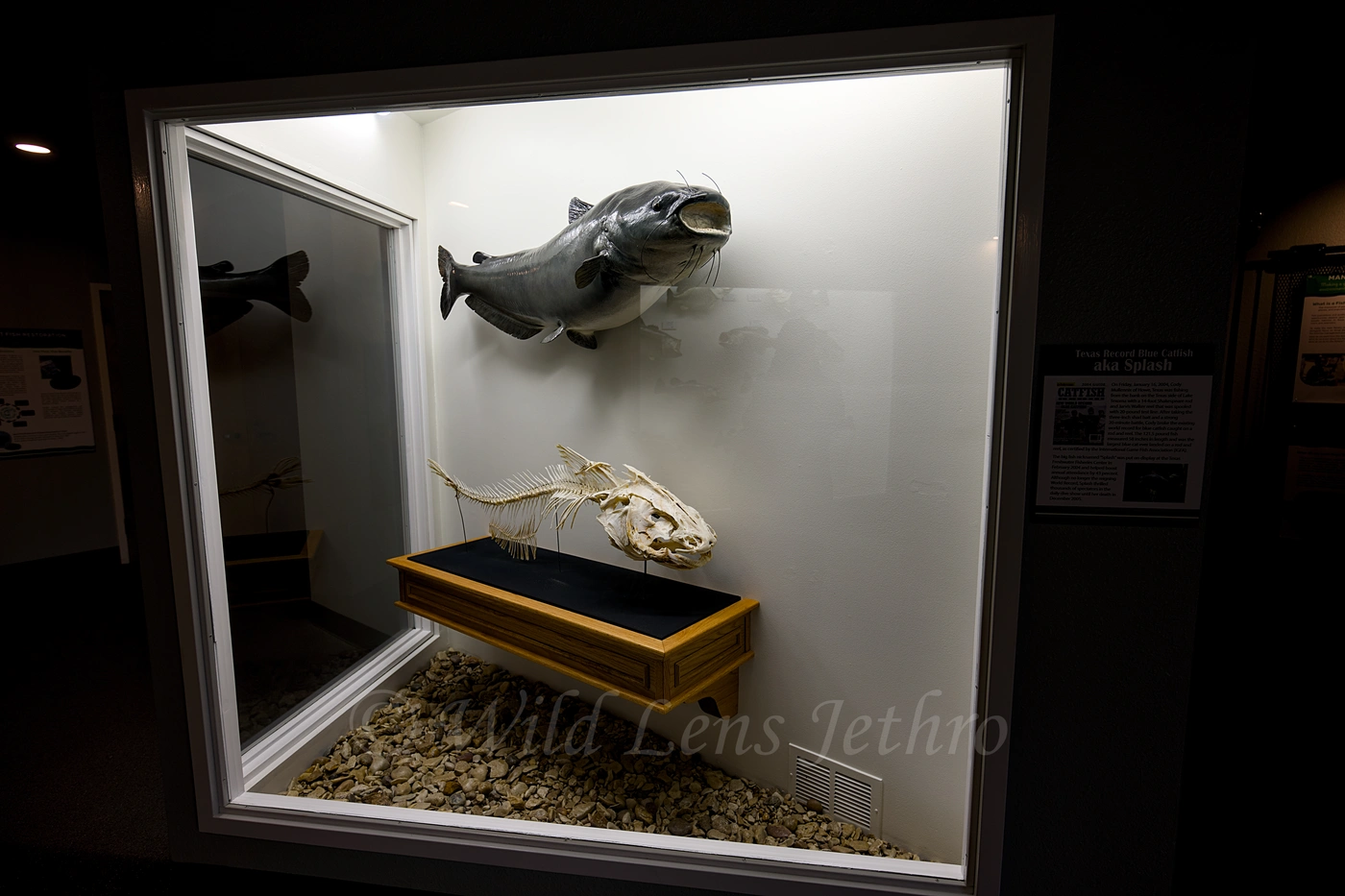
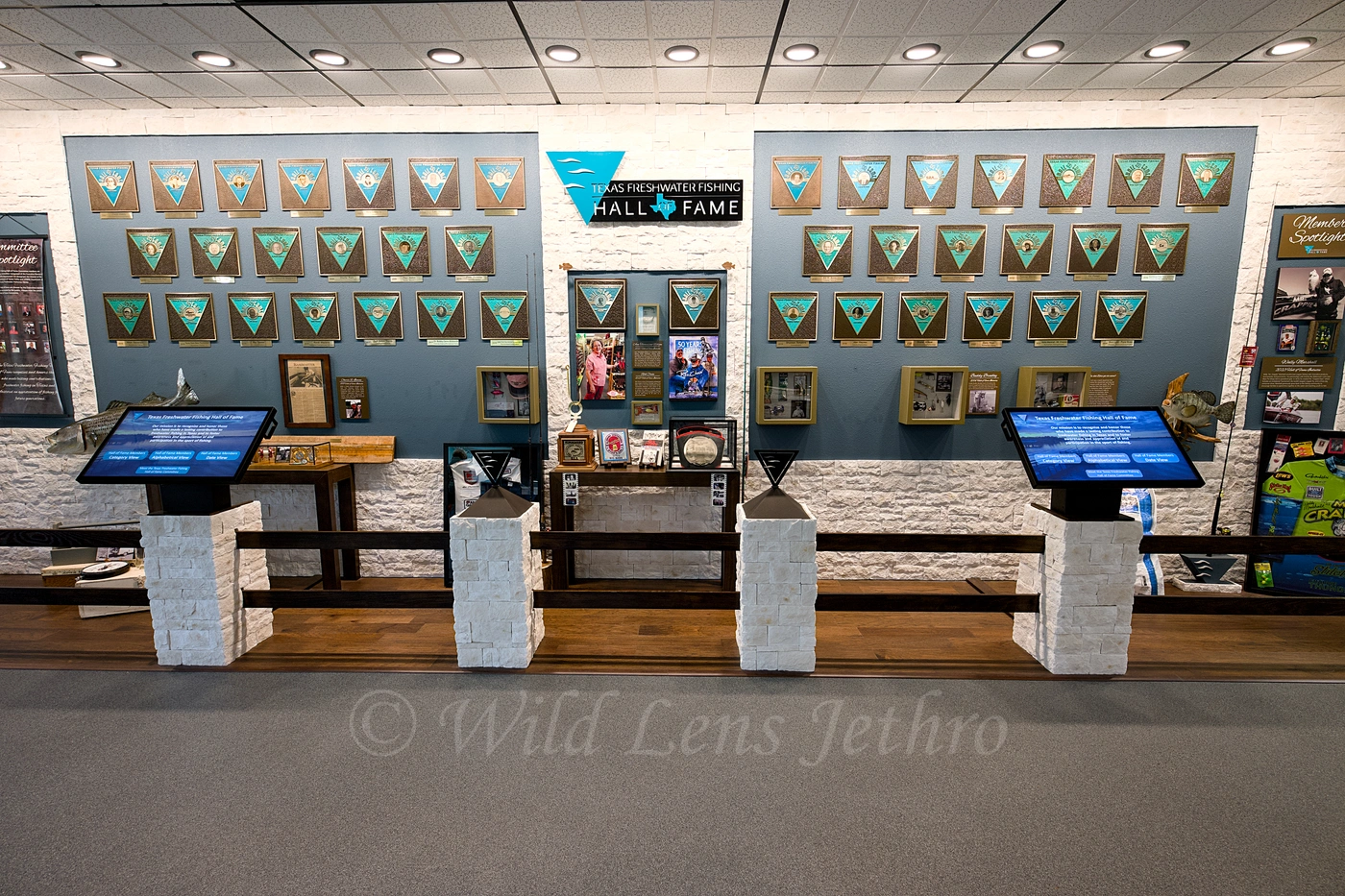
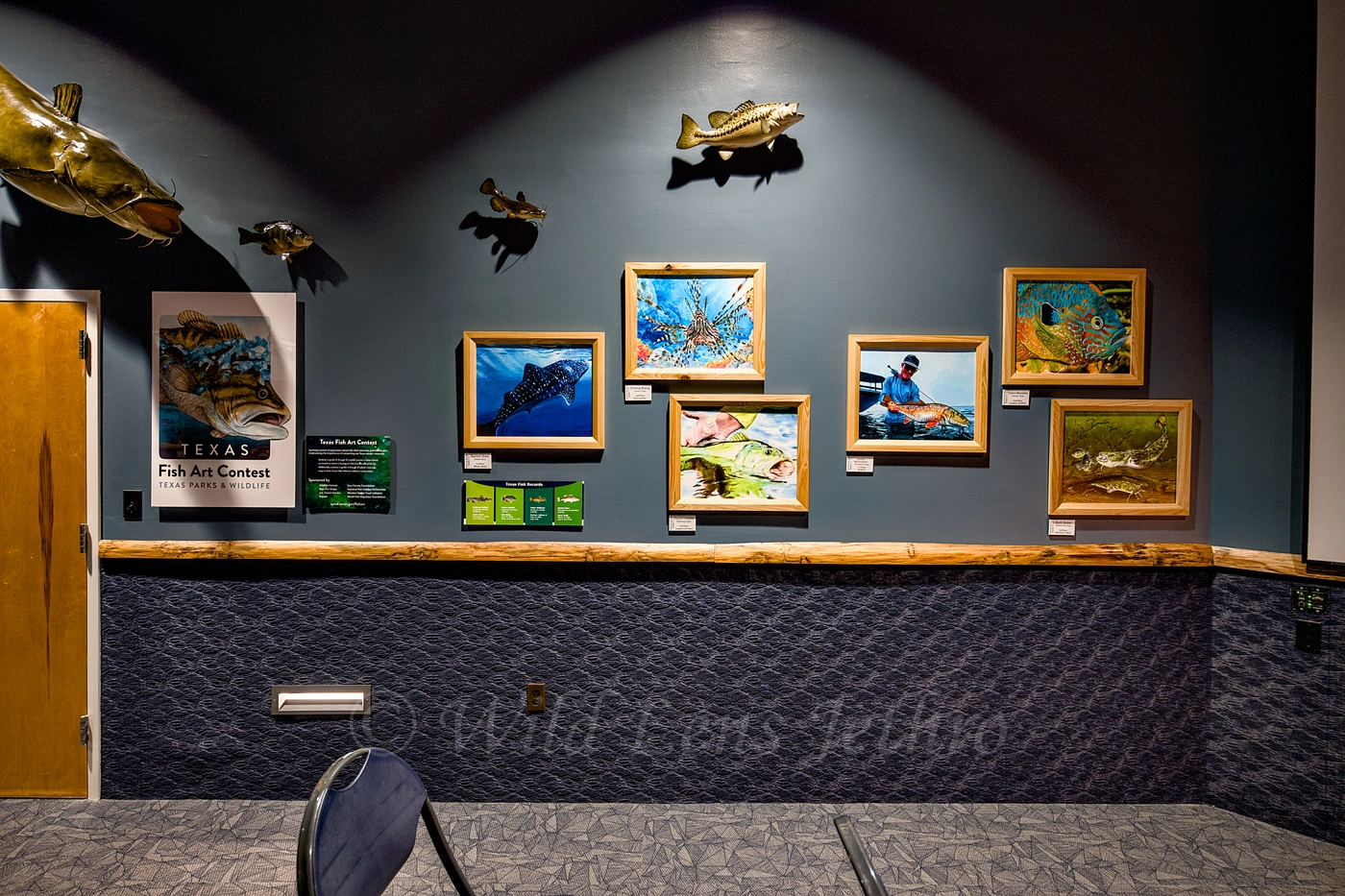
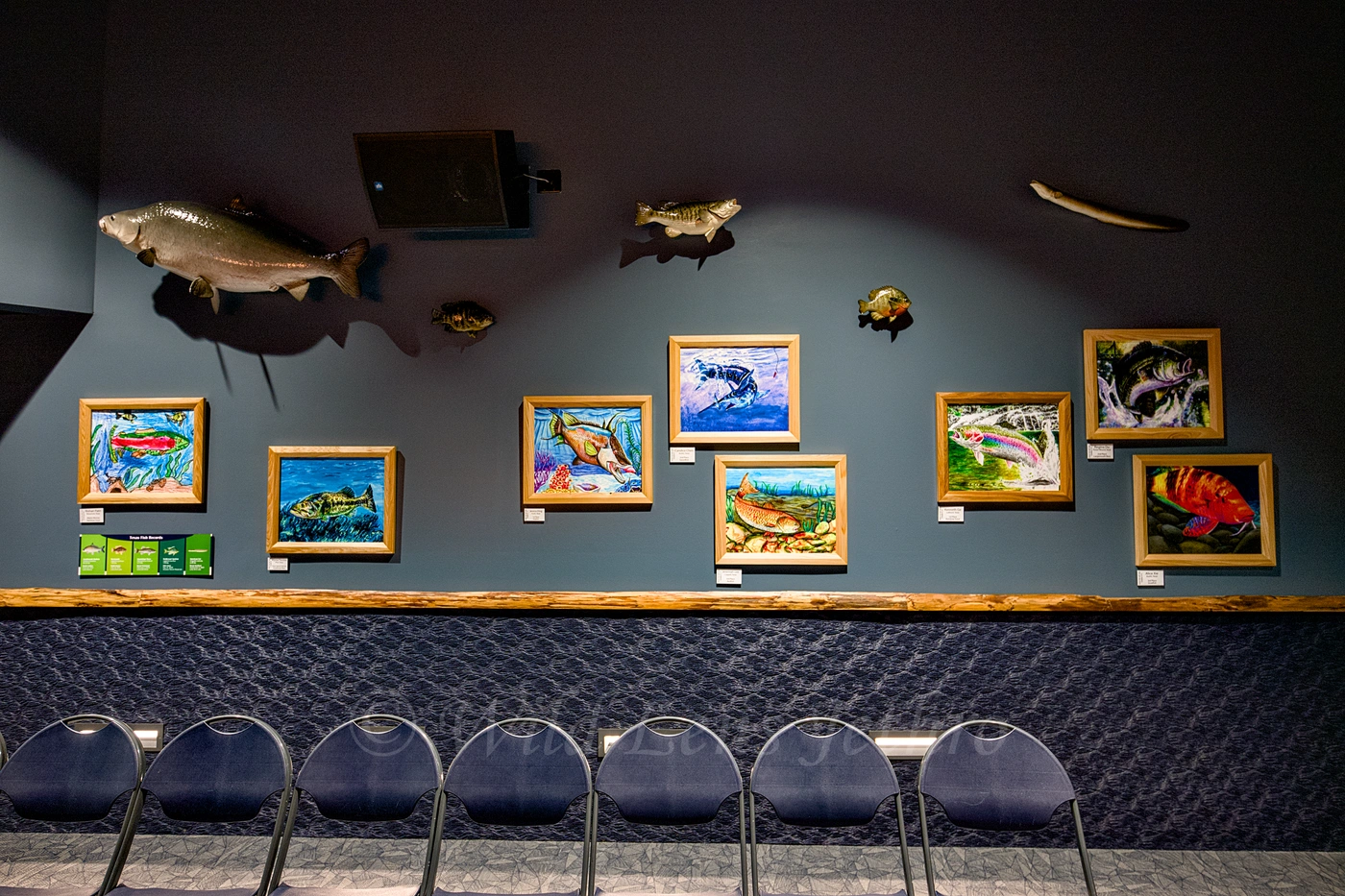
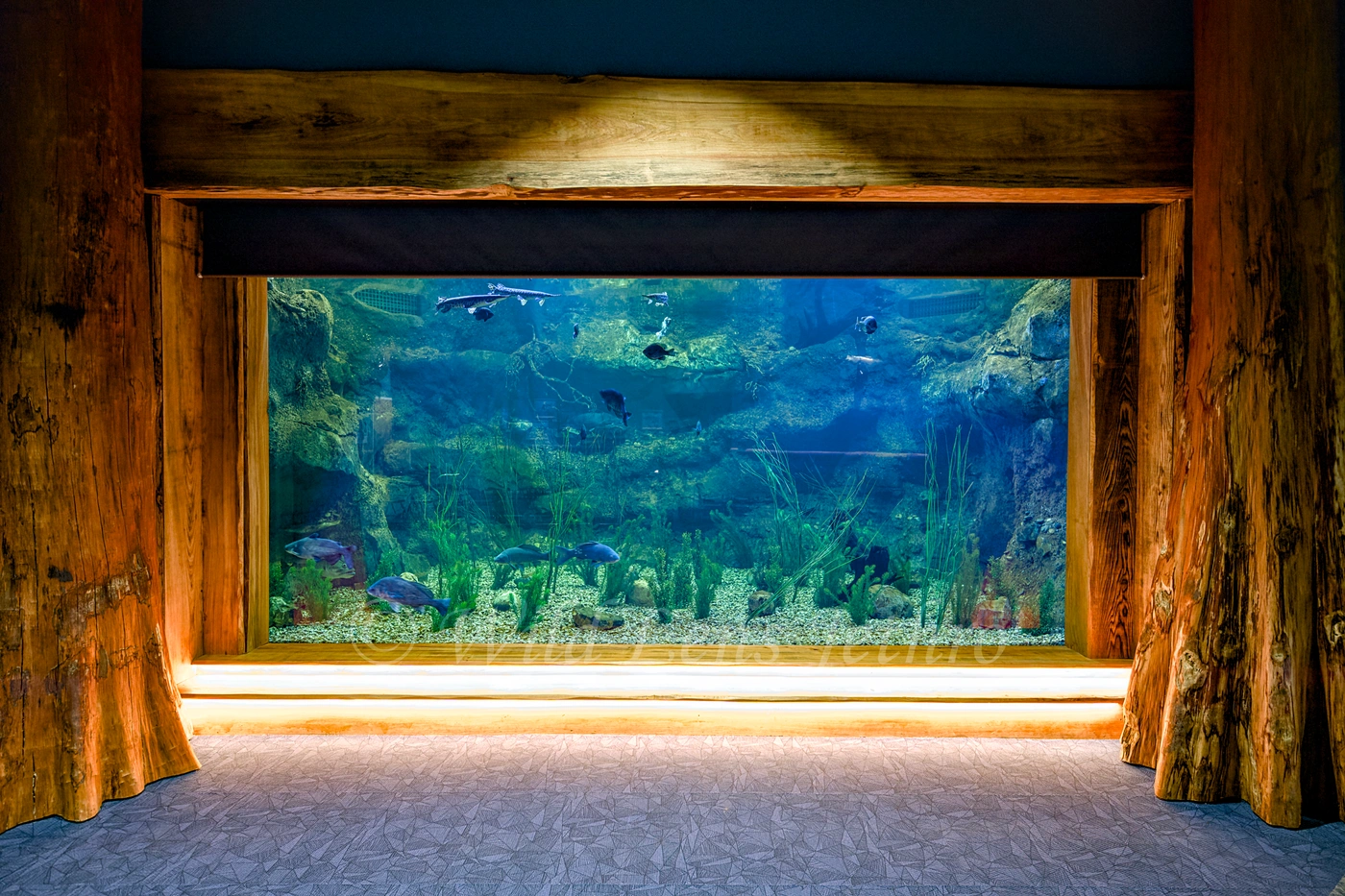
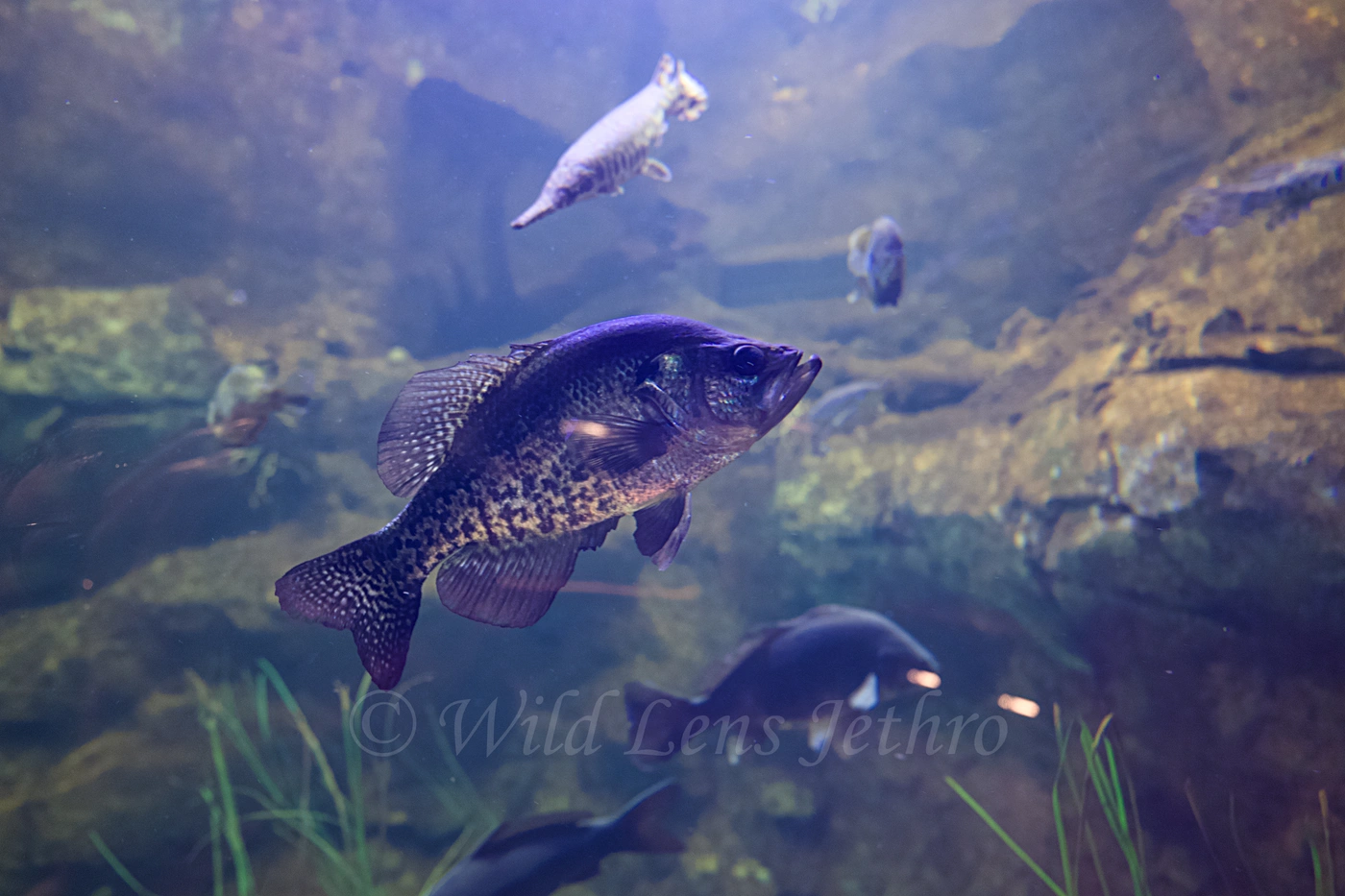
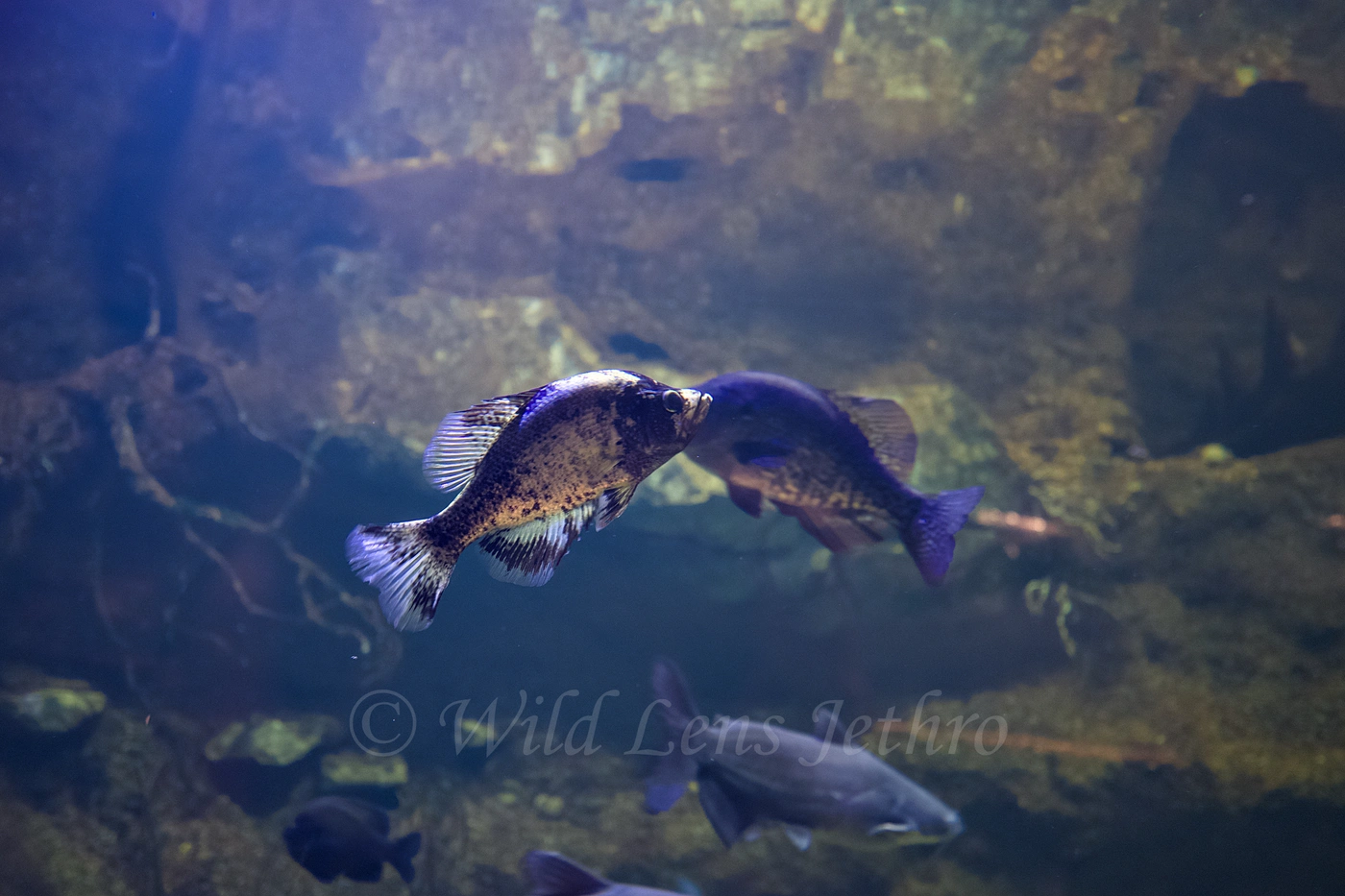
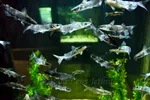
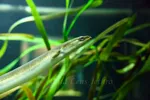
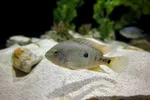
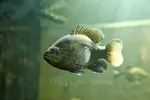
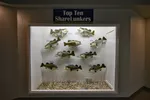
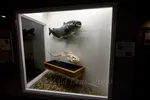

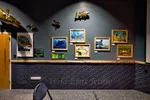
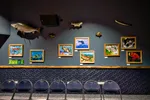
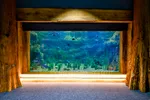
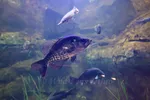
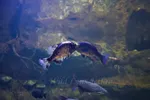
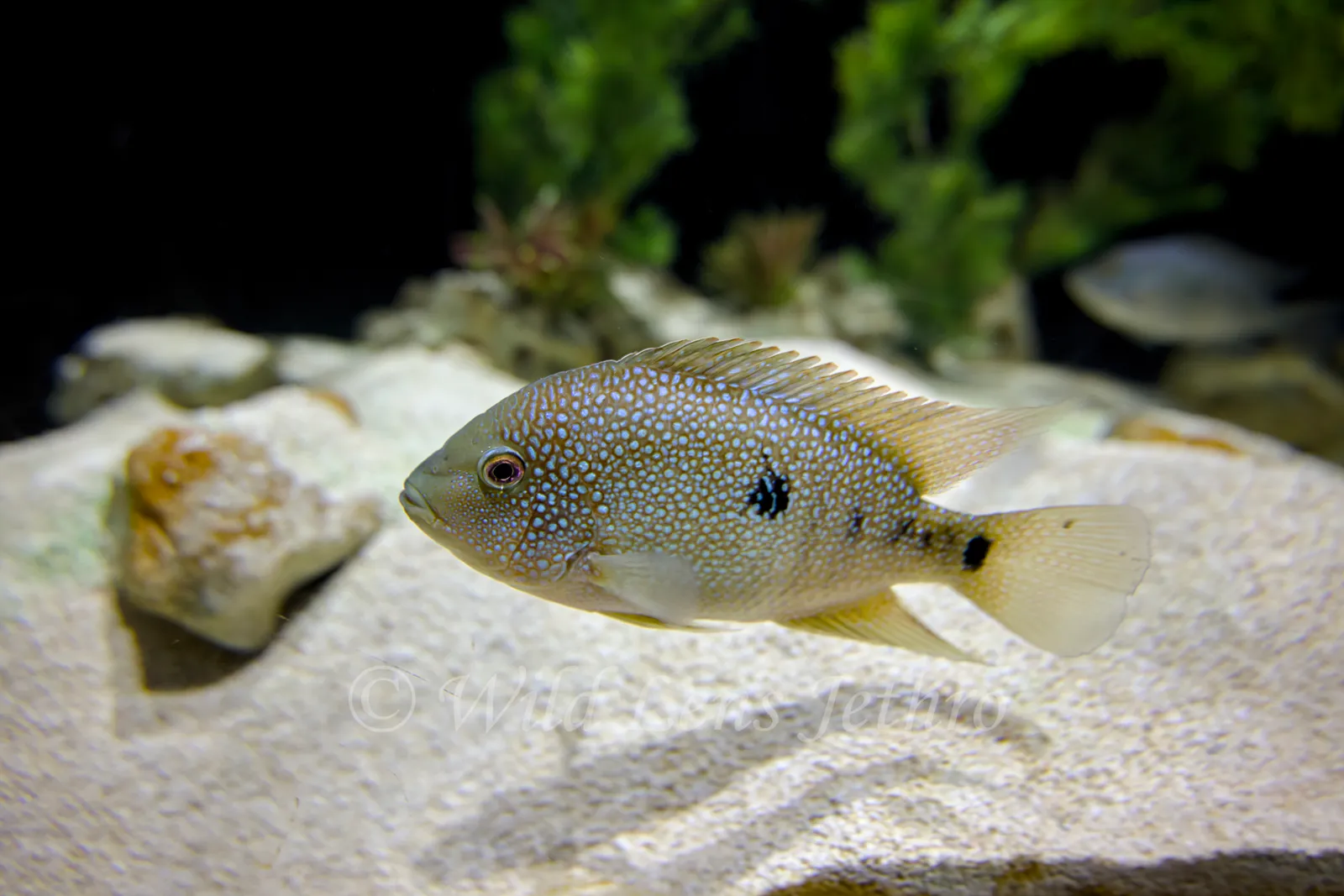
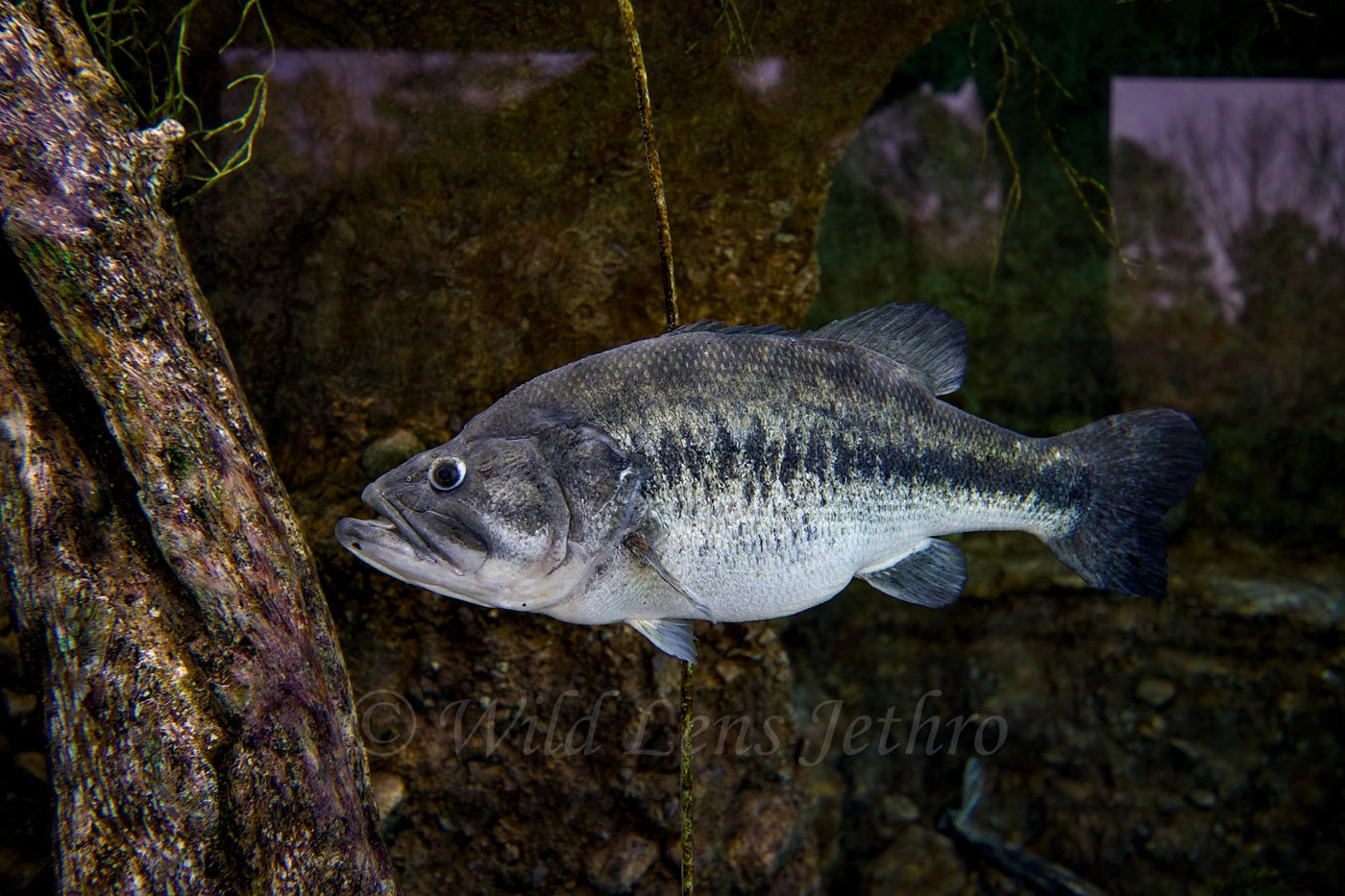
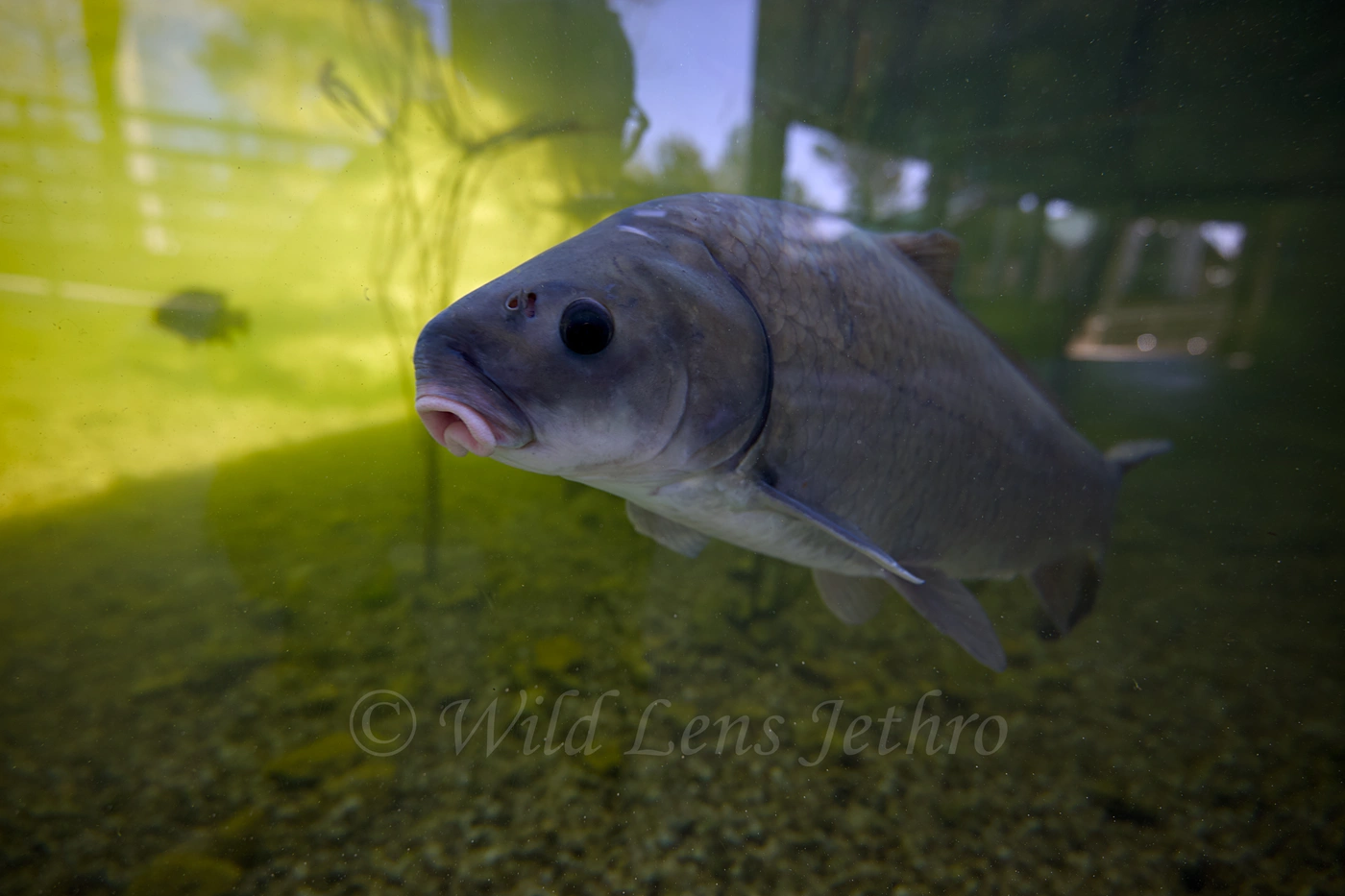
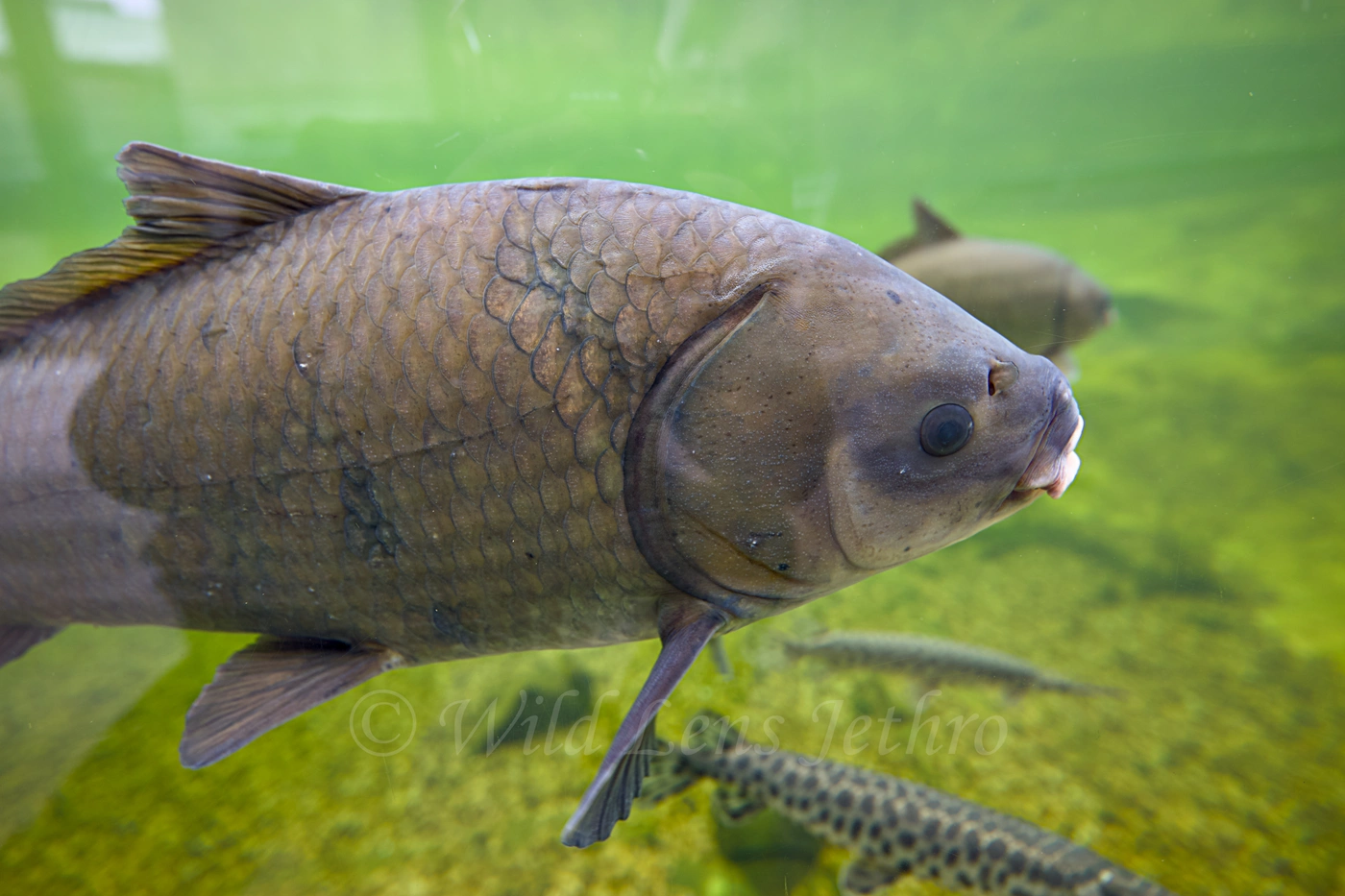
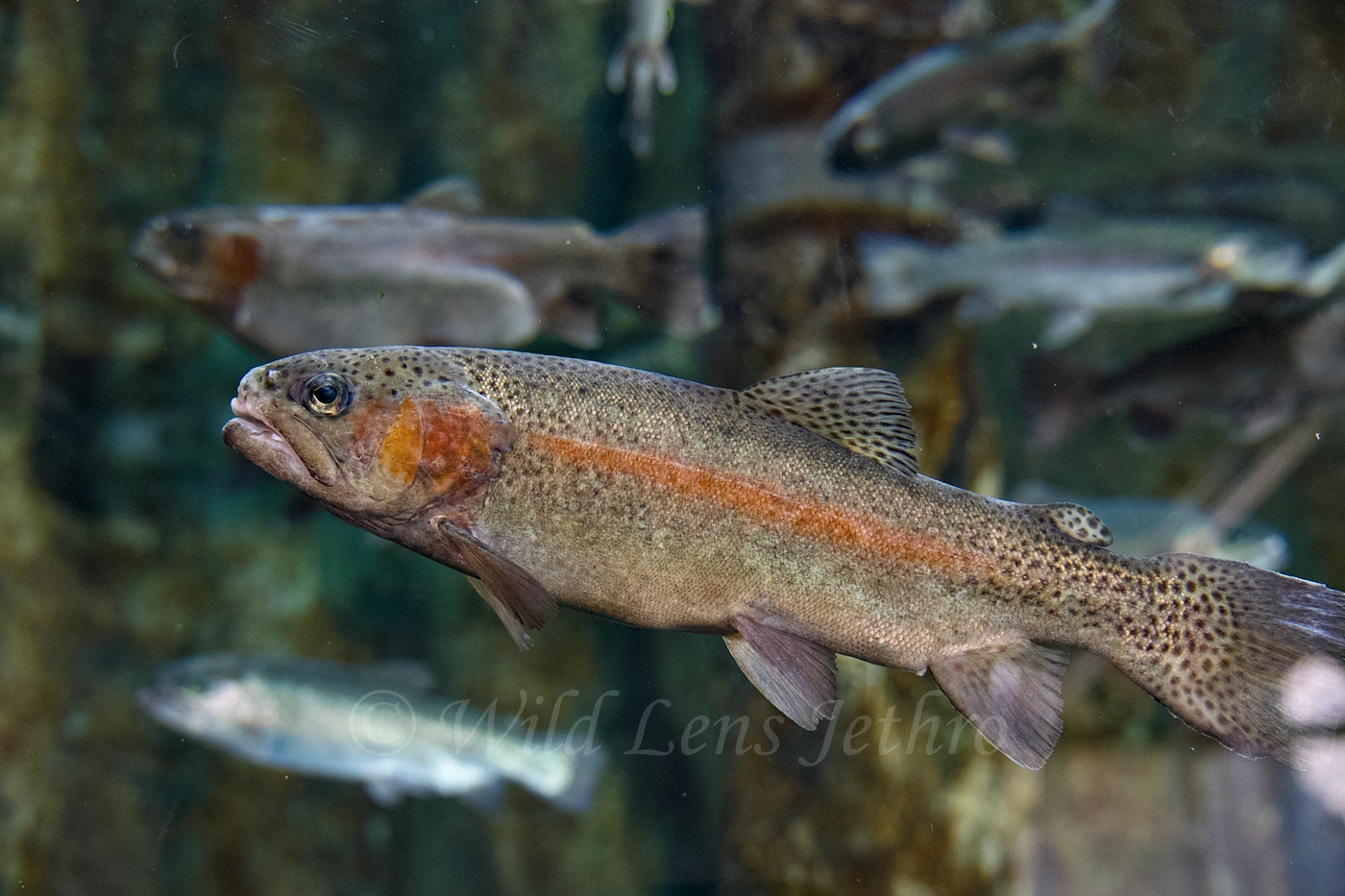
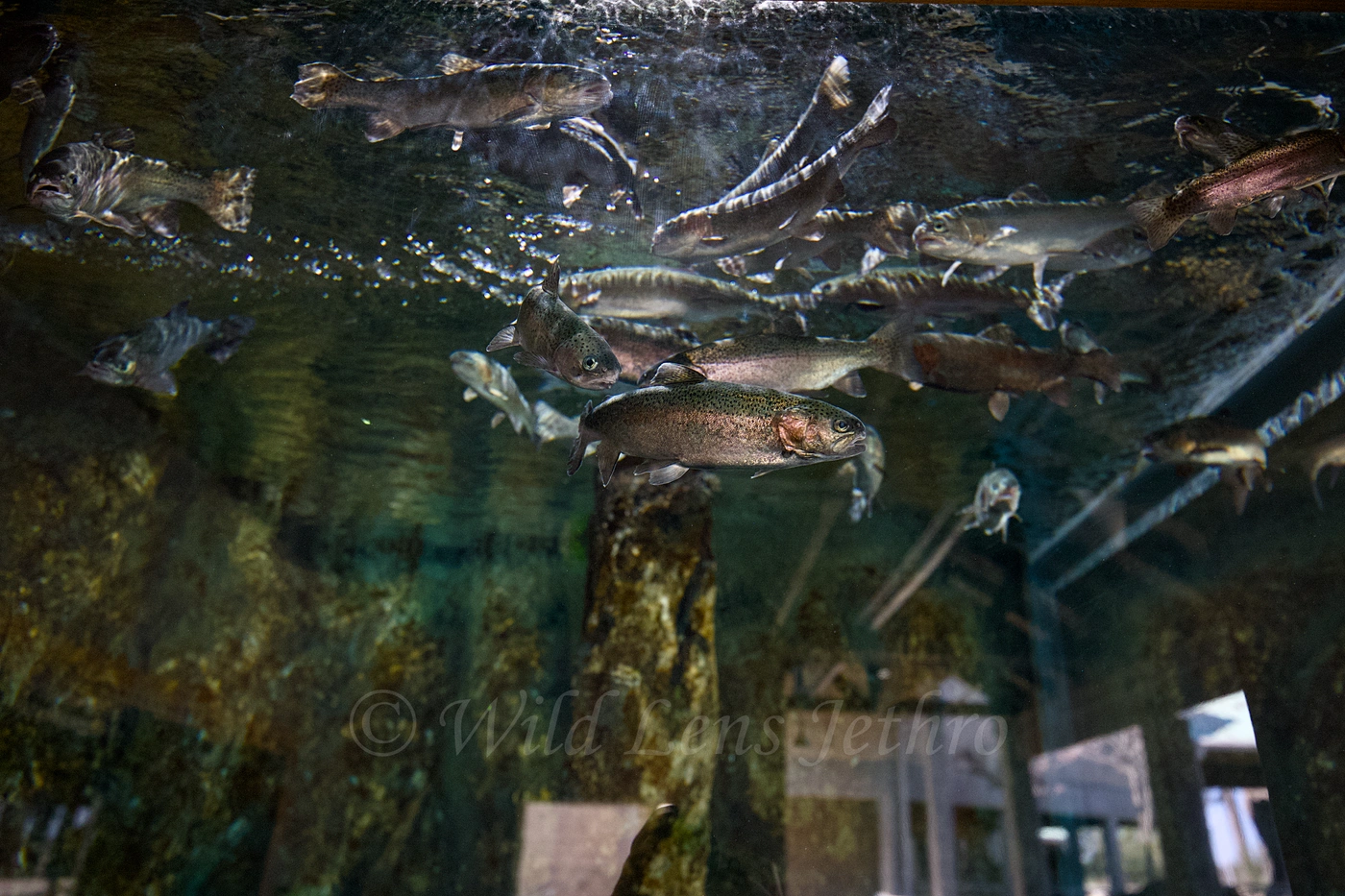
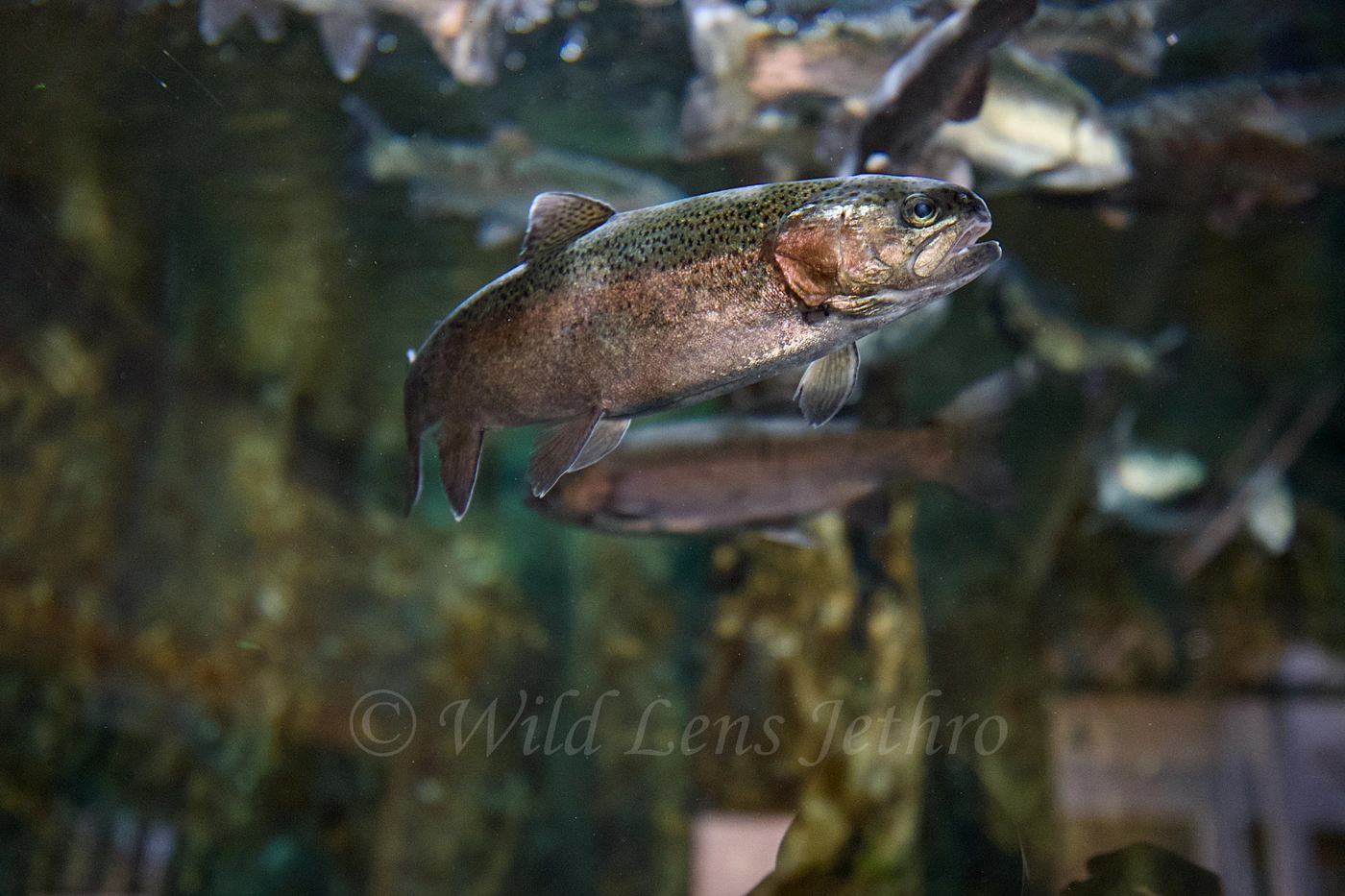
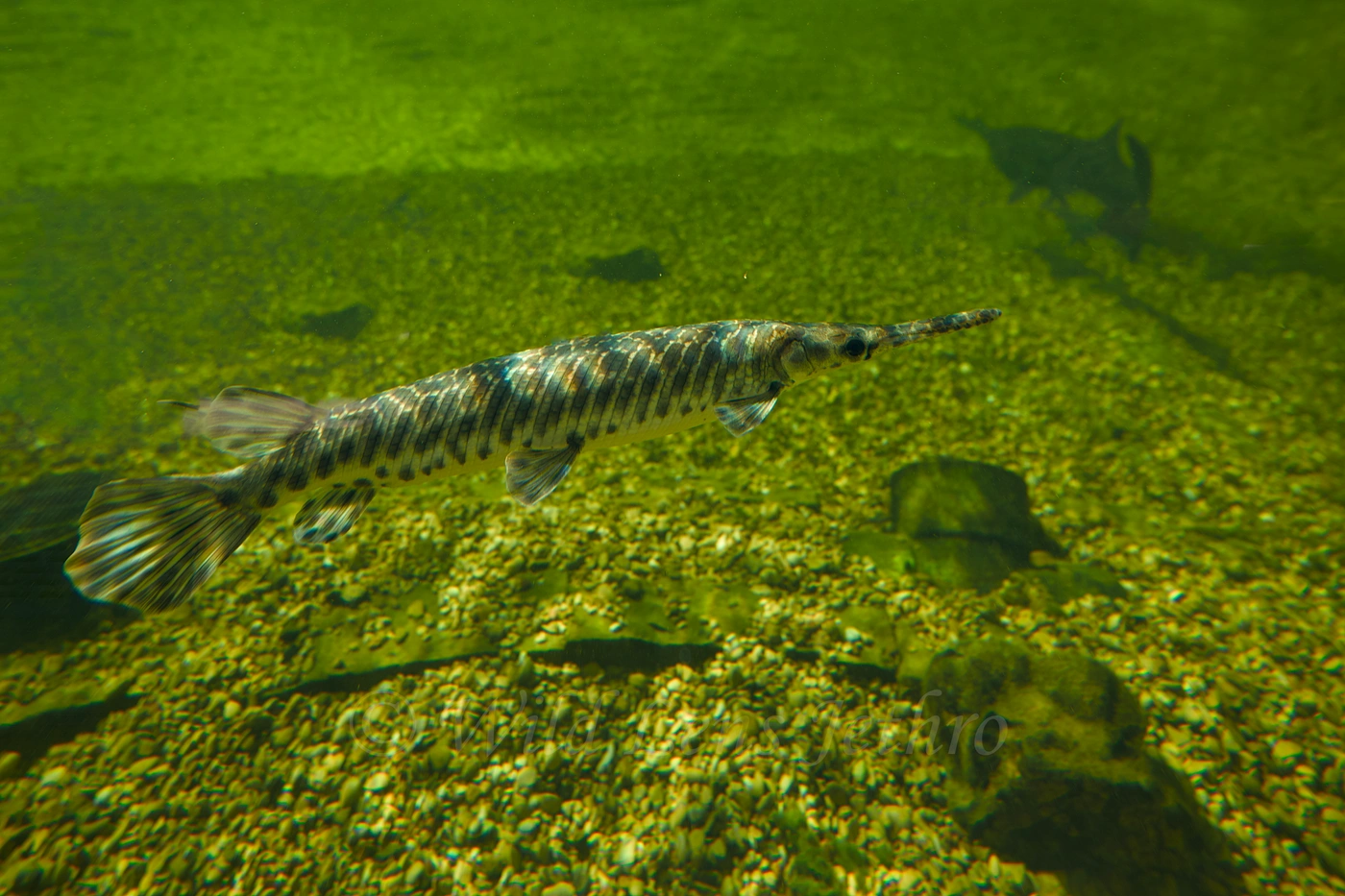
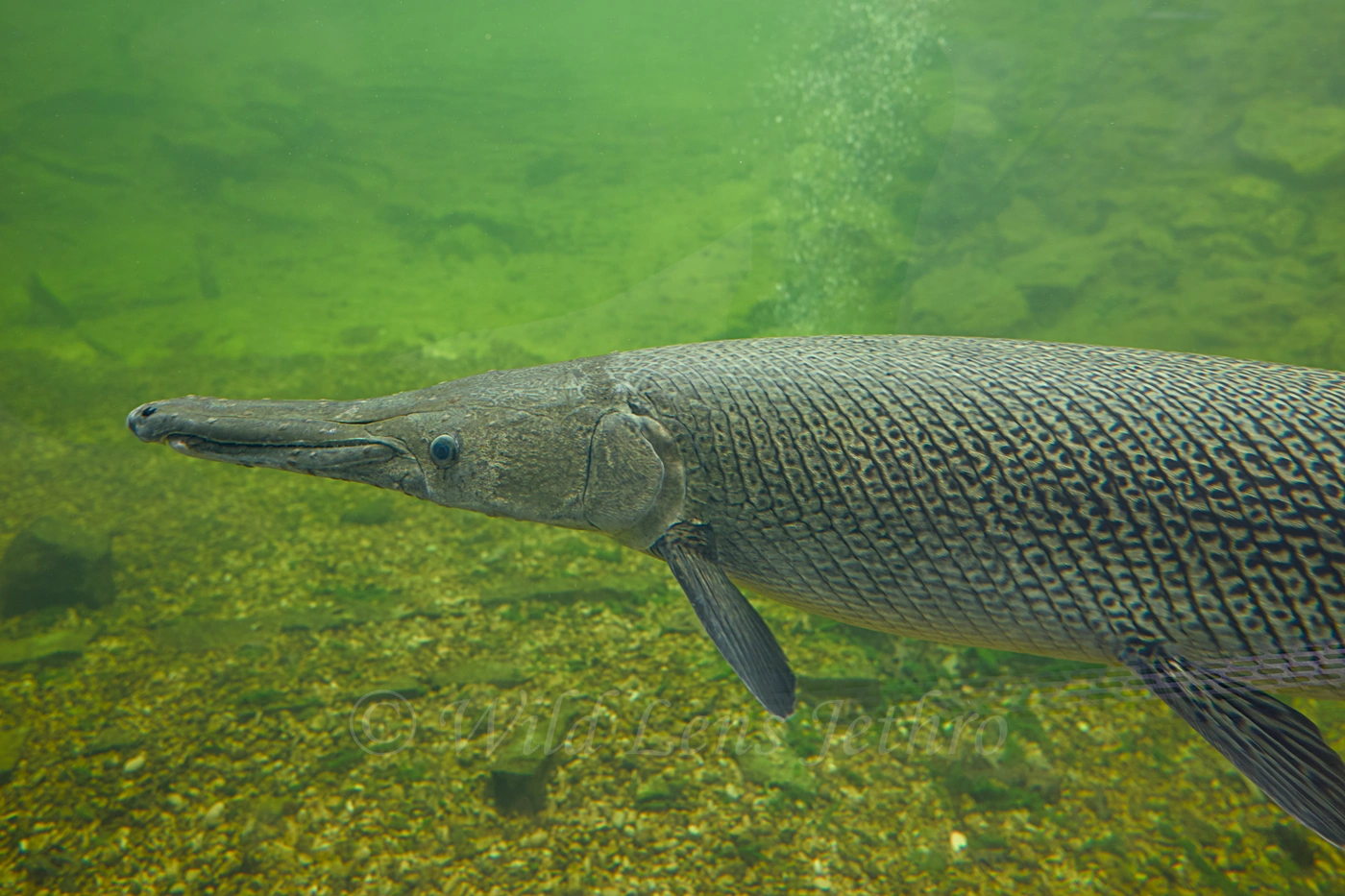
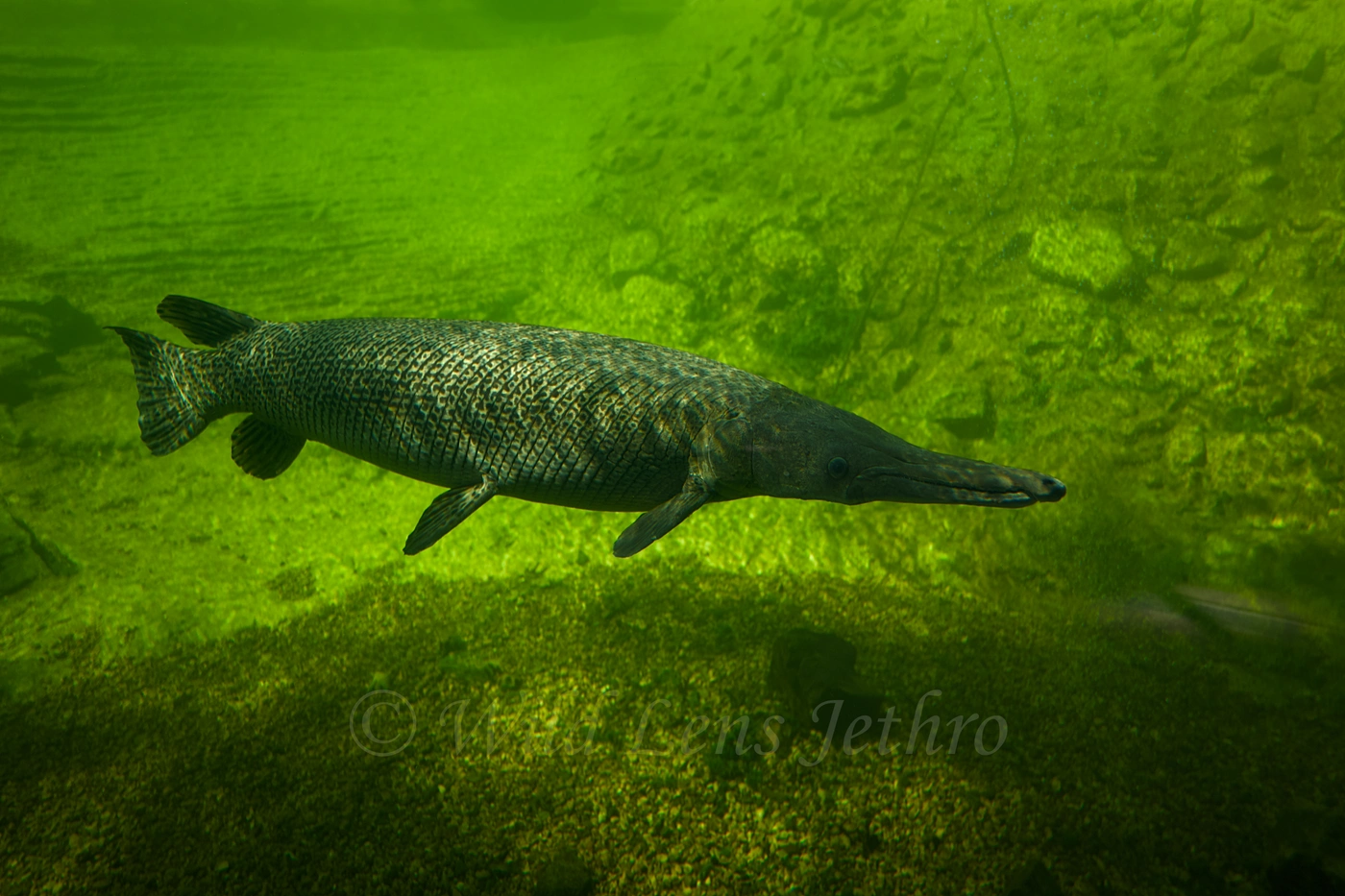
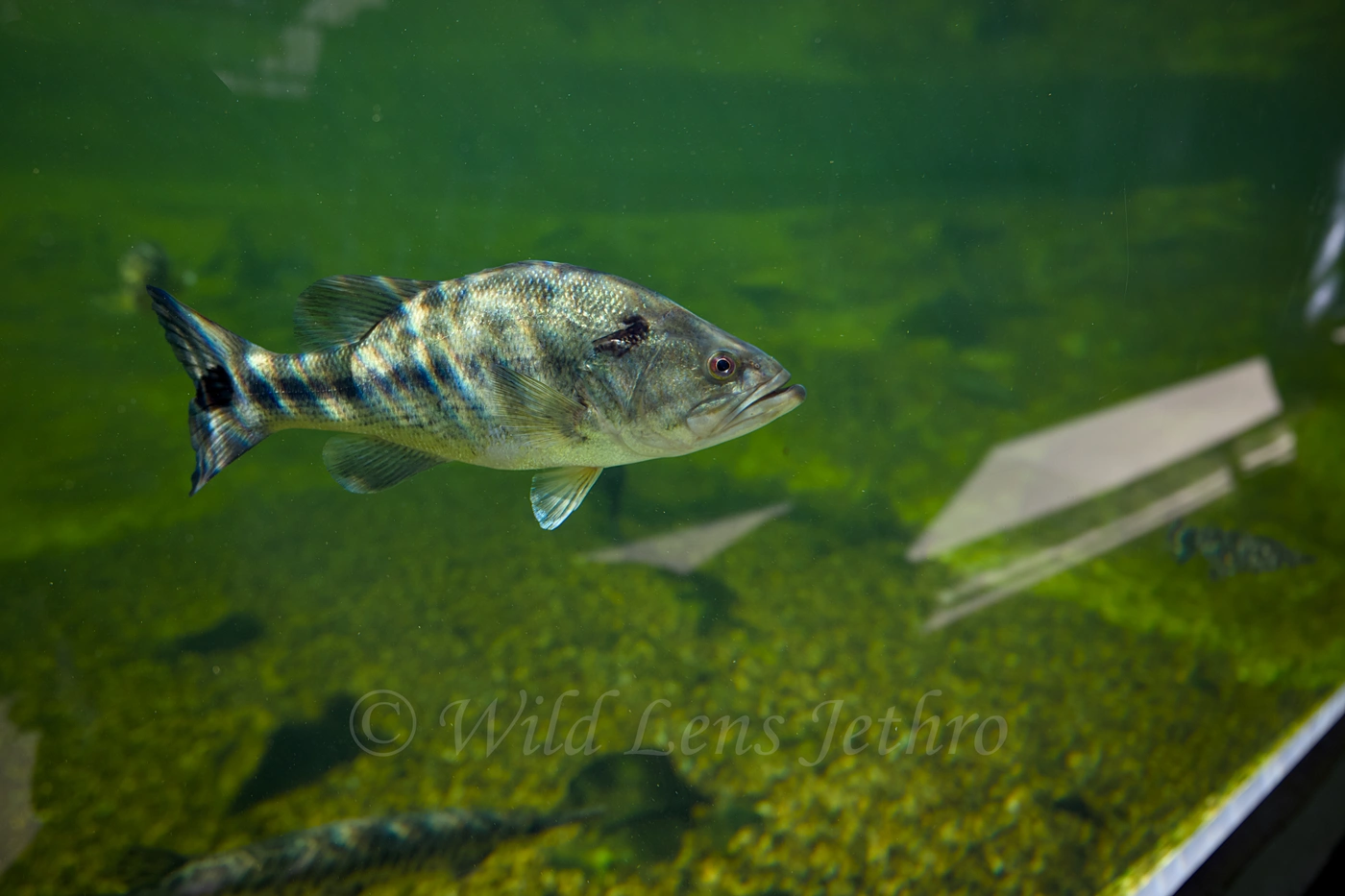
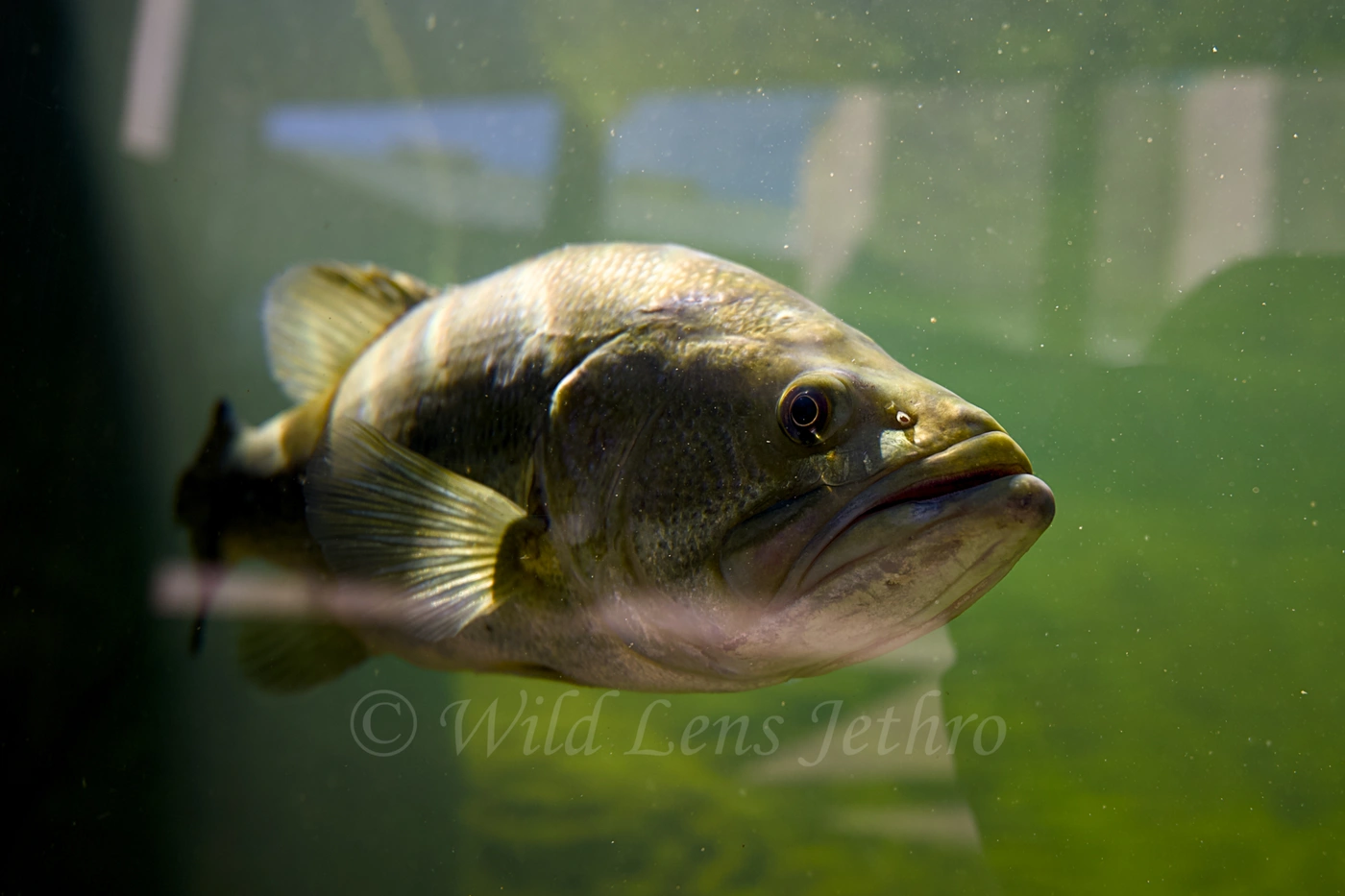
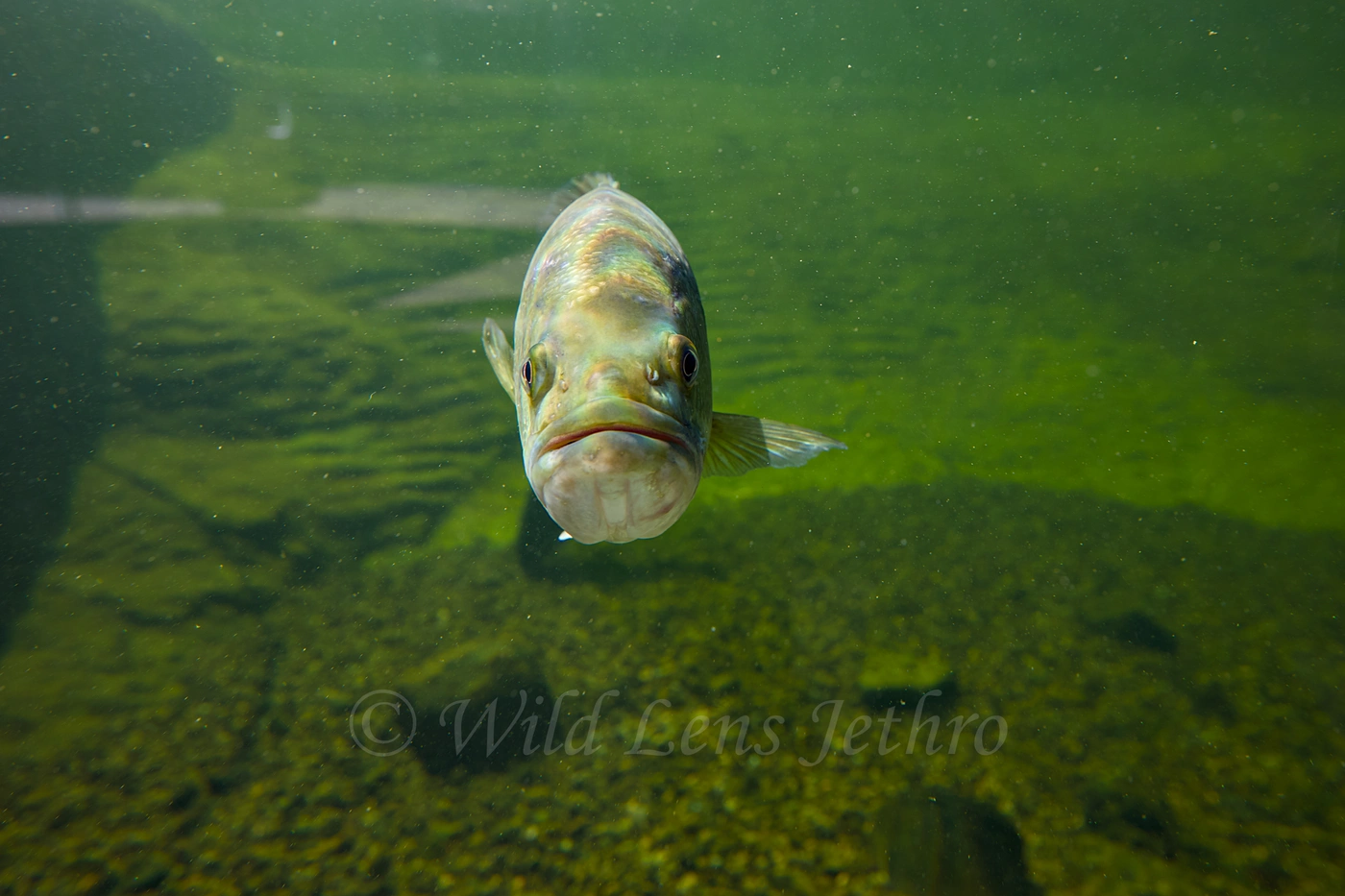
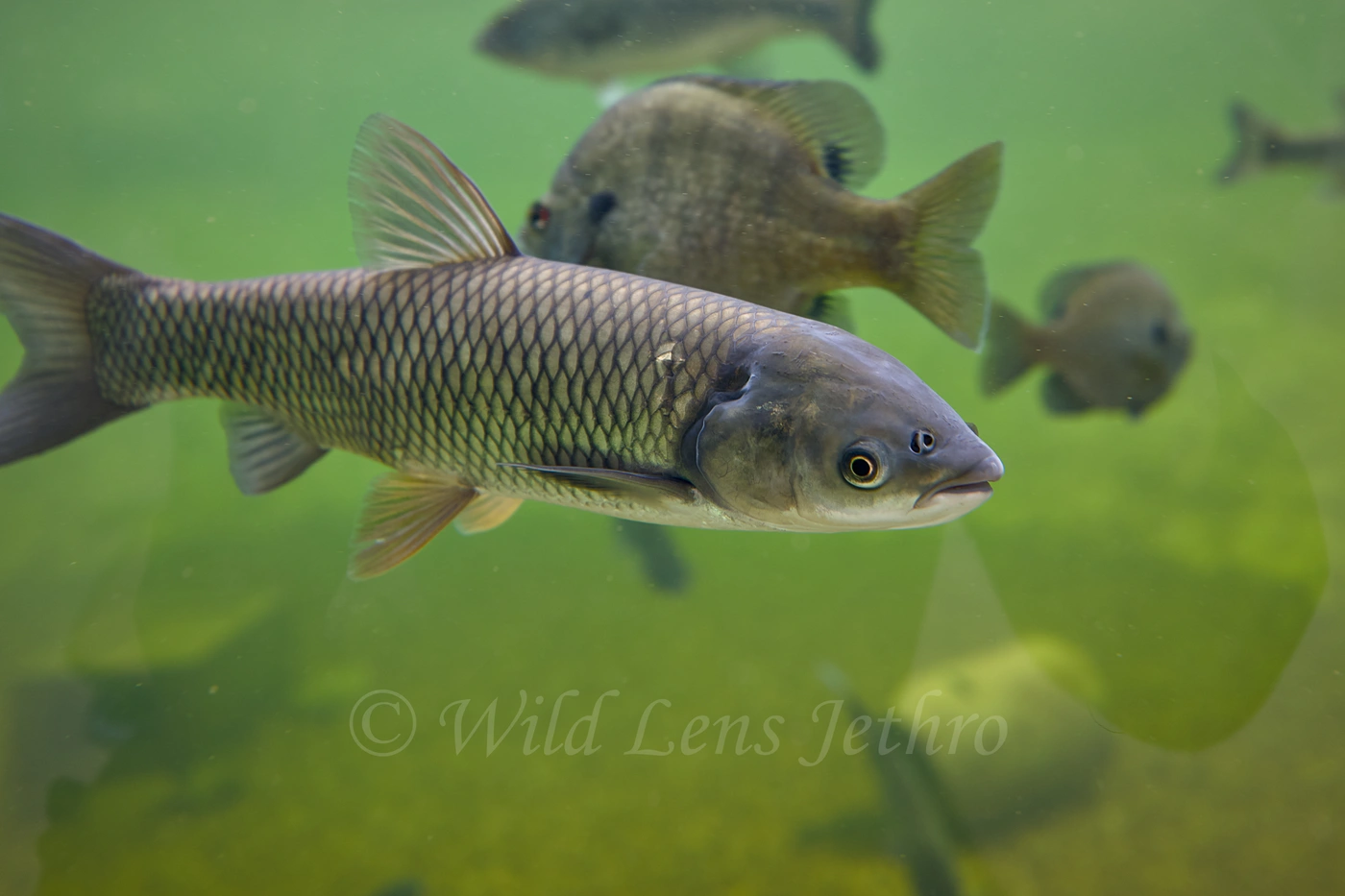
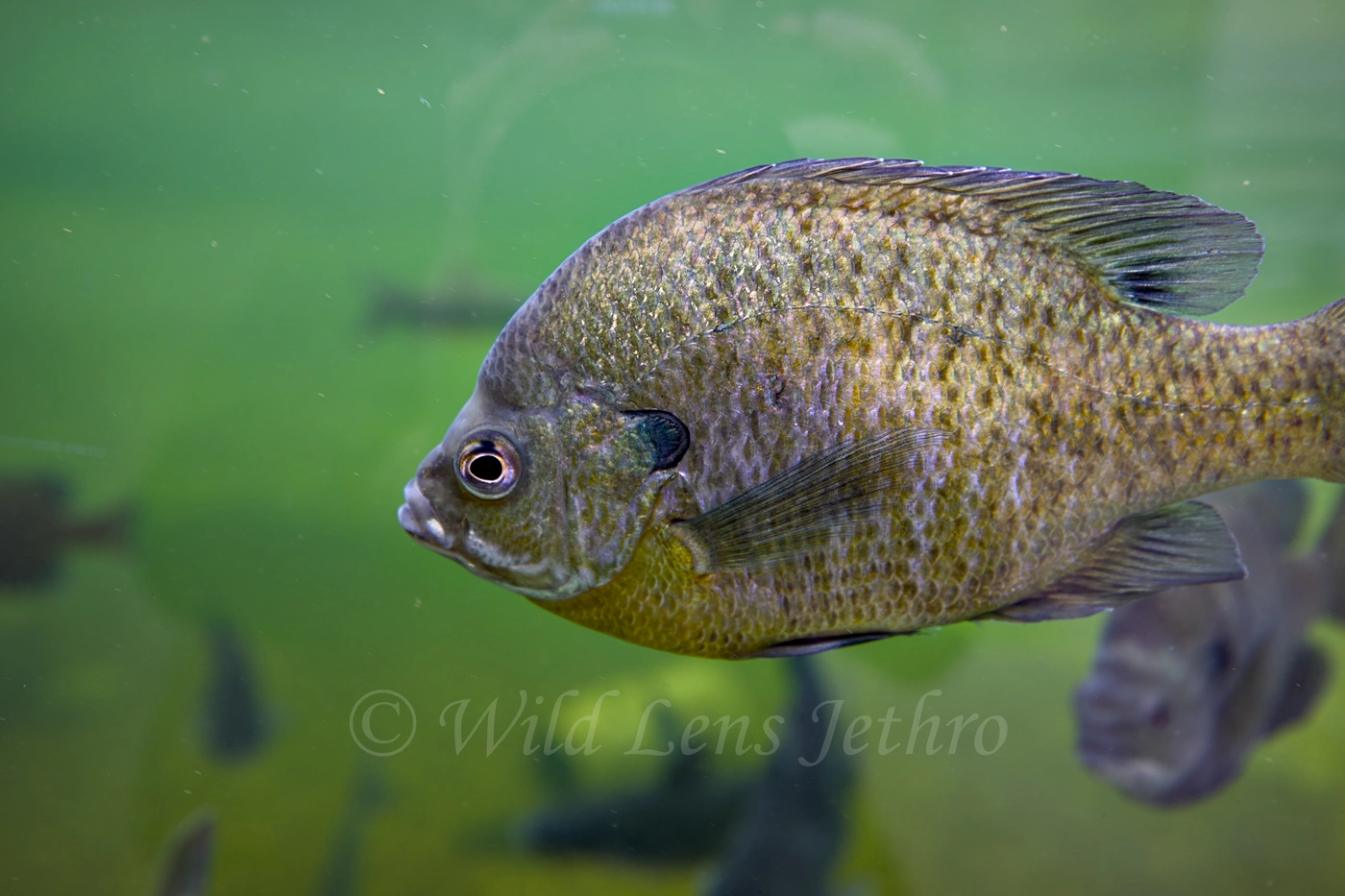
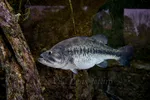
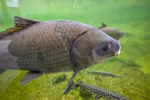
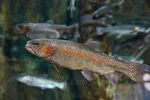
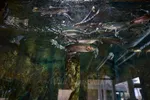
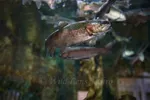
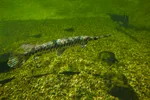
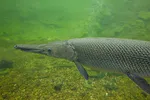
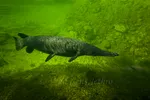
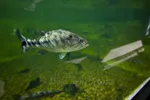
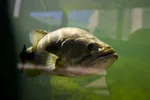
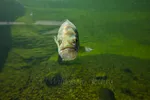
The main building features both indoor and outdoor tank exhibits showcasing local varieties: bass, carp, catfish, sunfish, bluegills, trout, crappie, gar, paddlefish, topminnows, and more. While that sounds extensive, many species share habitats, so the total number of exhibits is smaller than you might think. You can comfortably view everything in about 30 minutes, or an hour if you stay for the tank show.
Highlights from the exhibits:
- The American Eel is perhaps the most captivating fish on display—an almost alien-looking creature, long and sinuous, that darts across his tank with surprising speed. He’s a nightmare to photograph but a delight to watch.
- Freshwater Fishing Hall of Fame: Features information on record holders, tournament winners, and the biggest catches.
- Community Art: The walls are decorated with winning fish artwork from local children’s contests. Those kids are surprisingly good at art!
- Tank Show: A live daily tank show (usually around 2pm) with feeding and education.
The fish appear healthy and well-fed. Nearly all tanks had crystal-clear water, save for two algae-heavy catfish tanks.
There’s also a small gift shop with books, shirts, magnets, and small souvenirs.
Fishing Ponds & Hatcheries
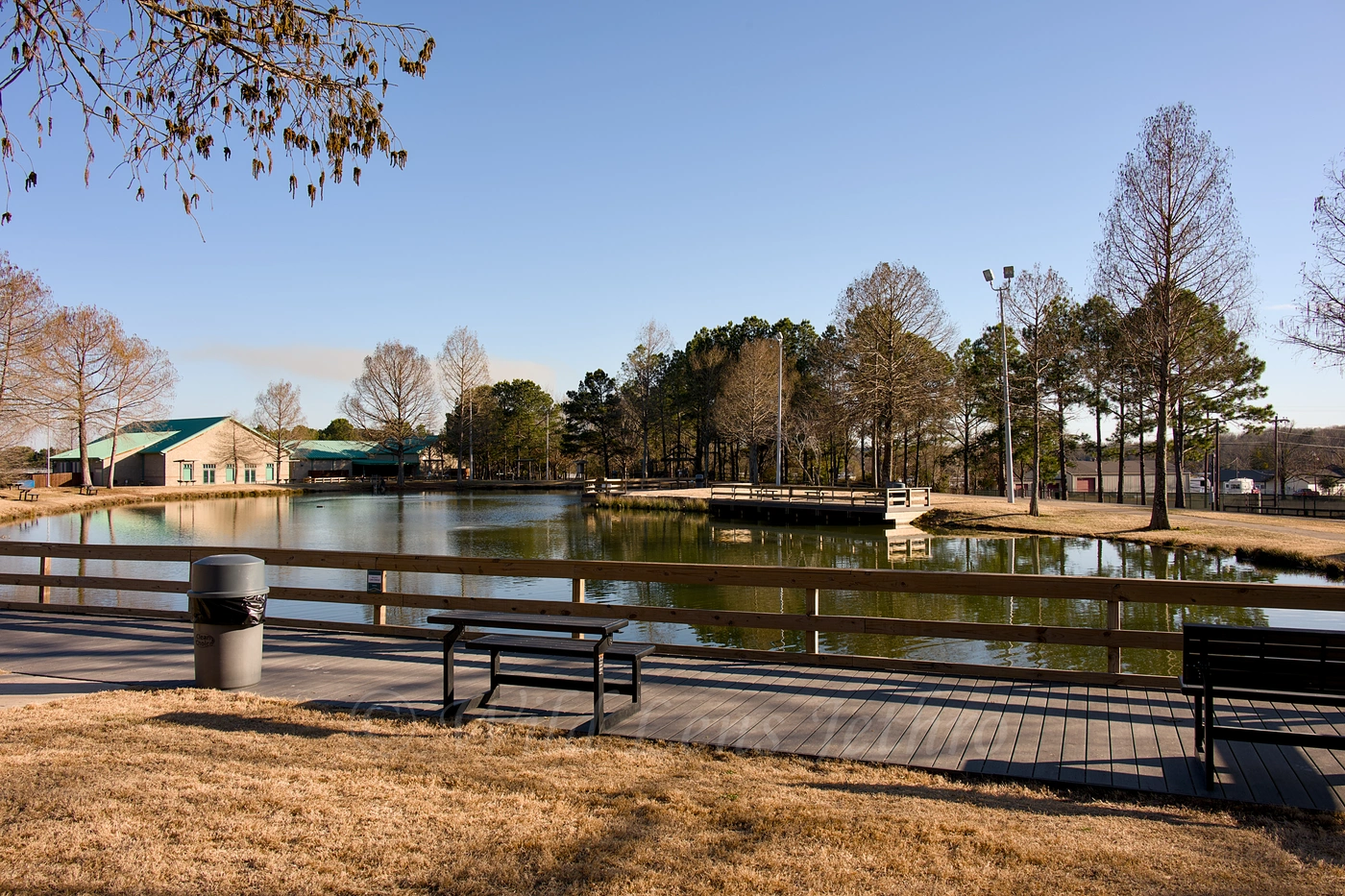
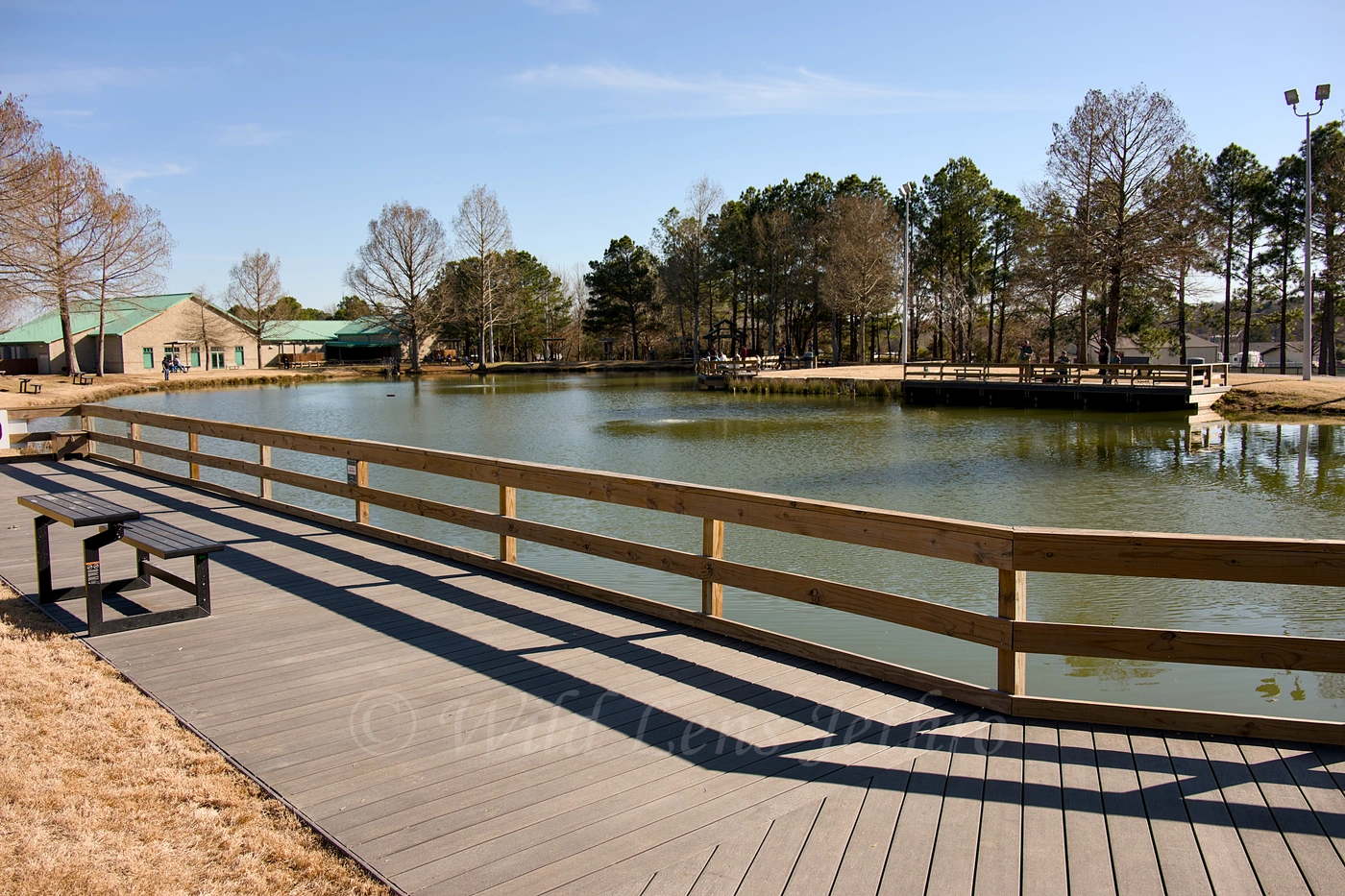
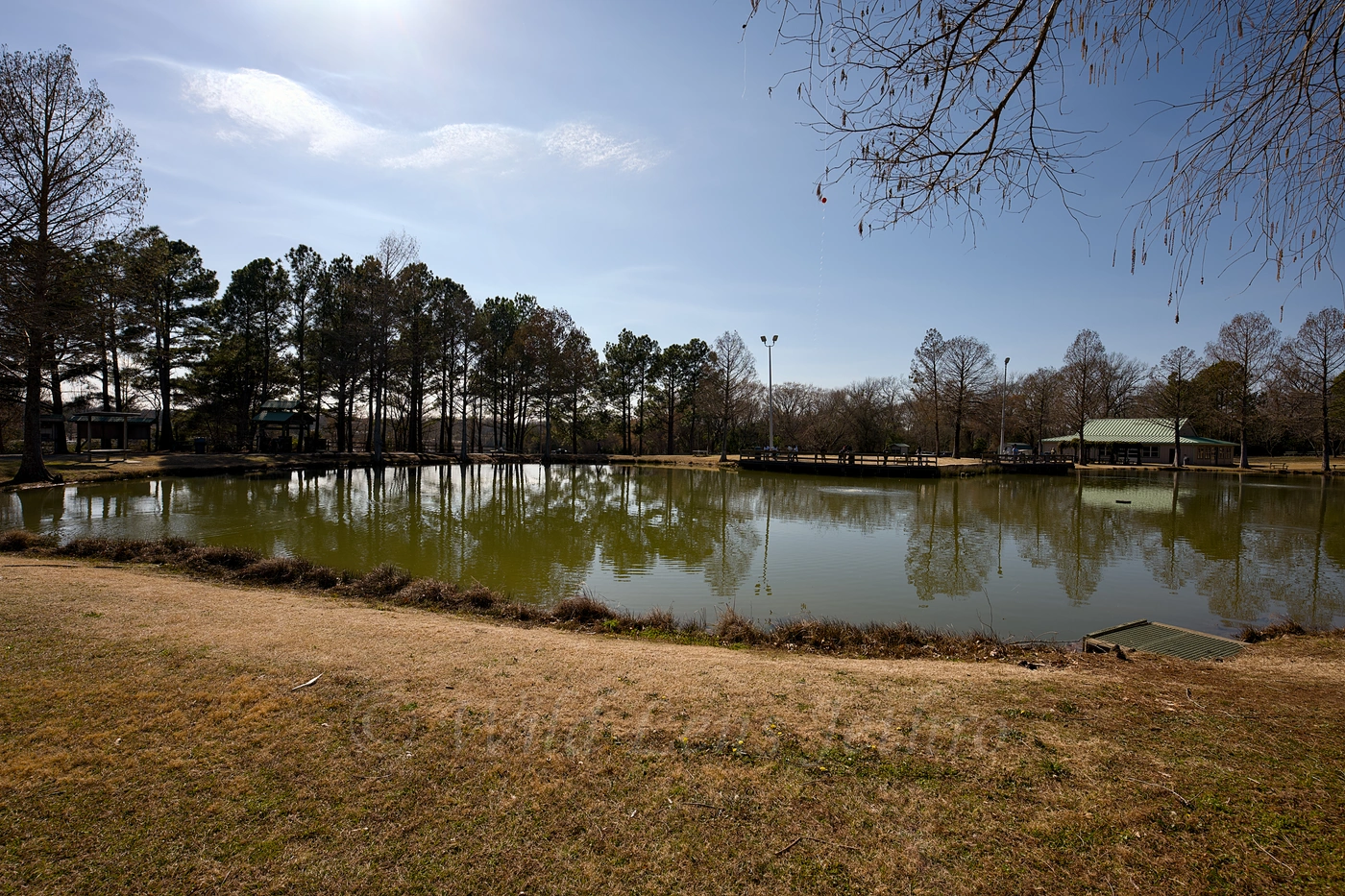
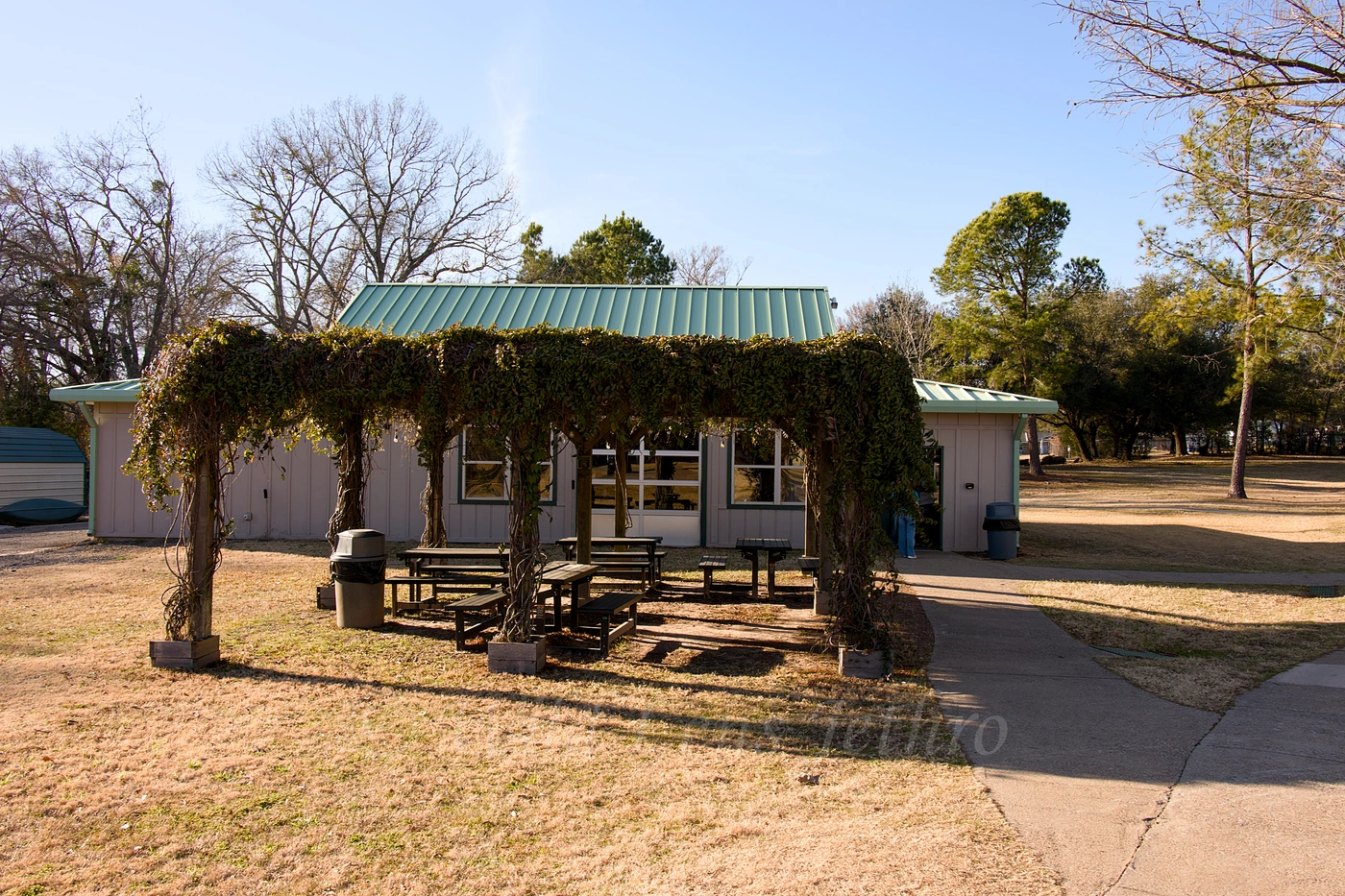
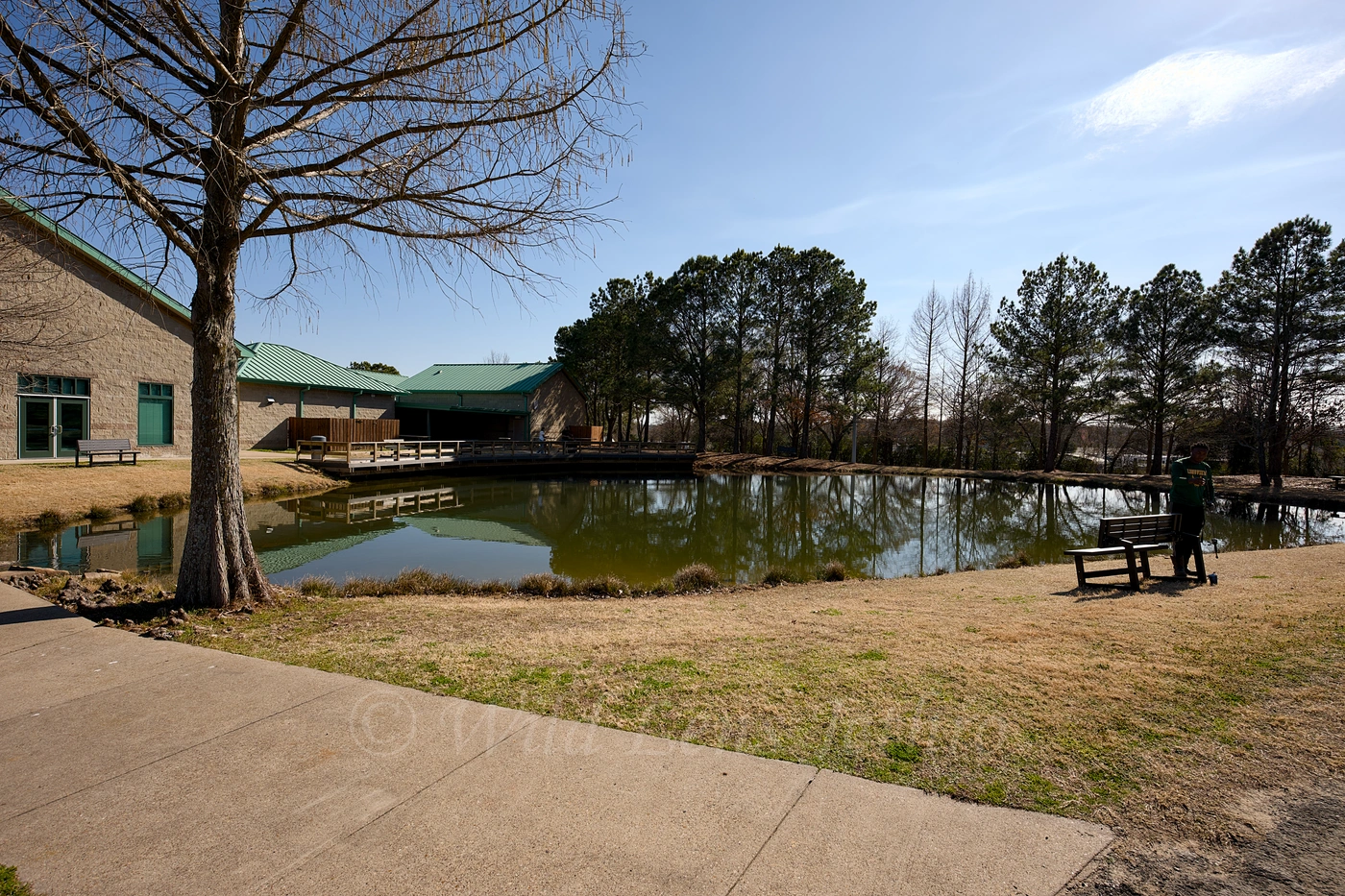
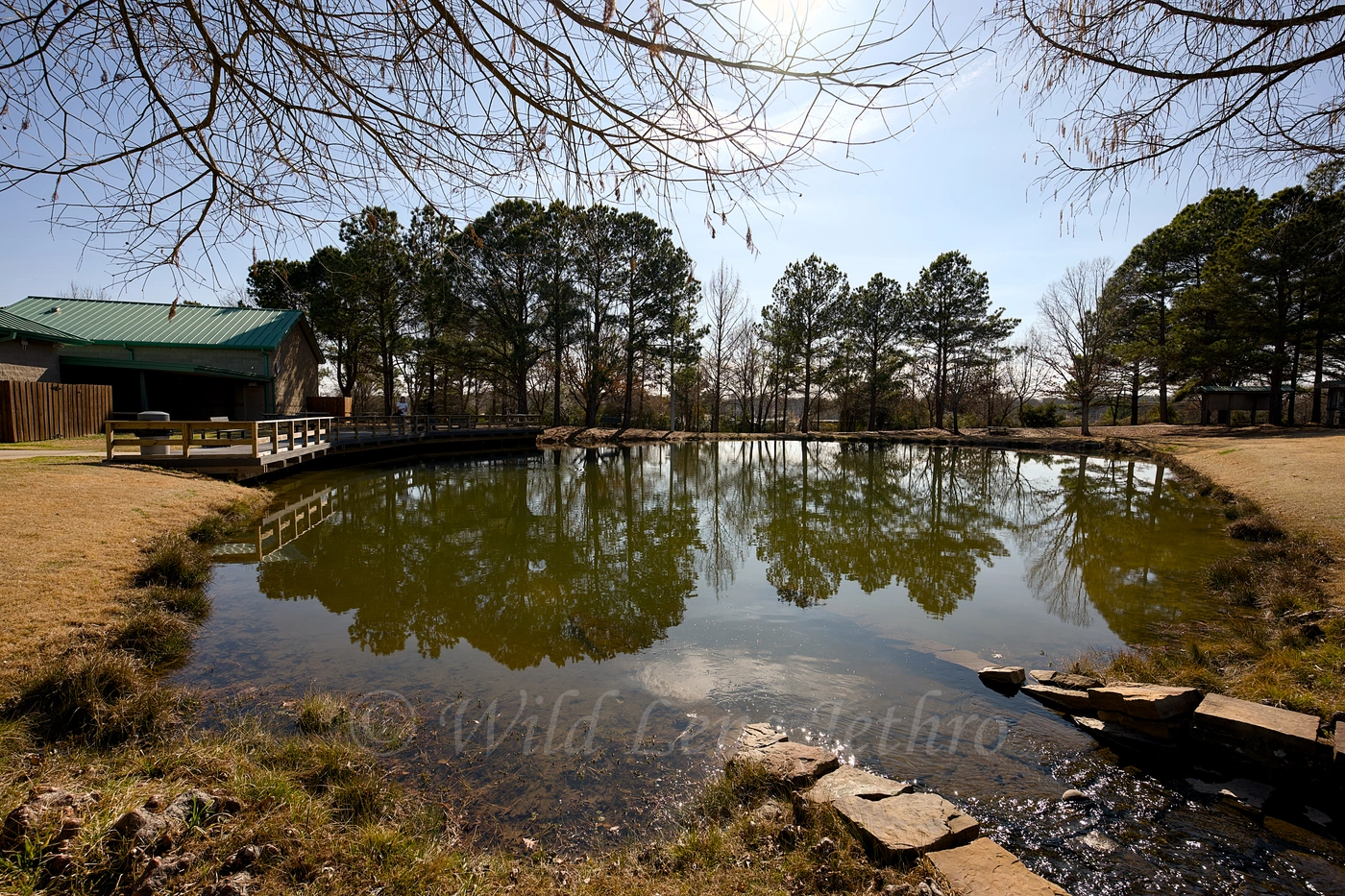
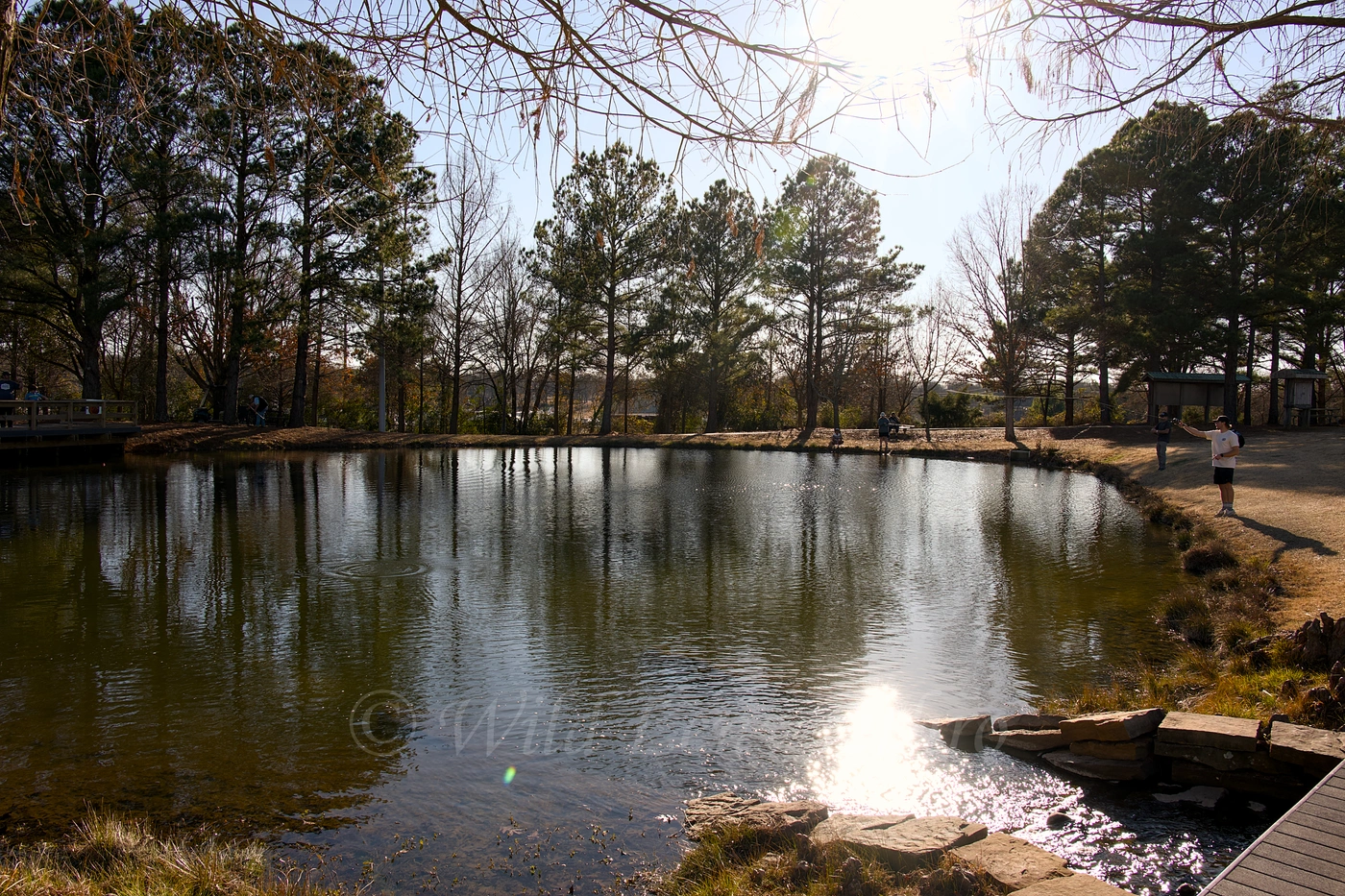
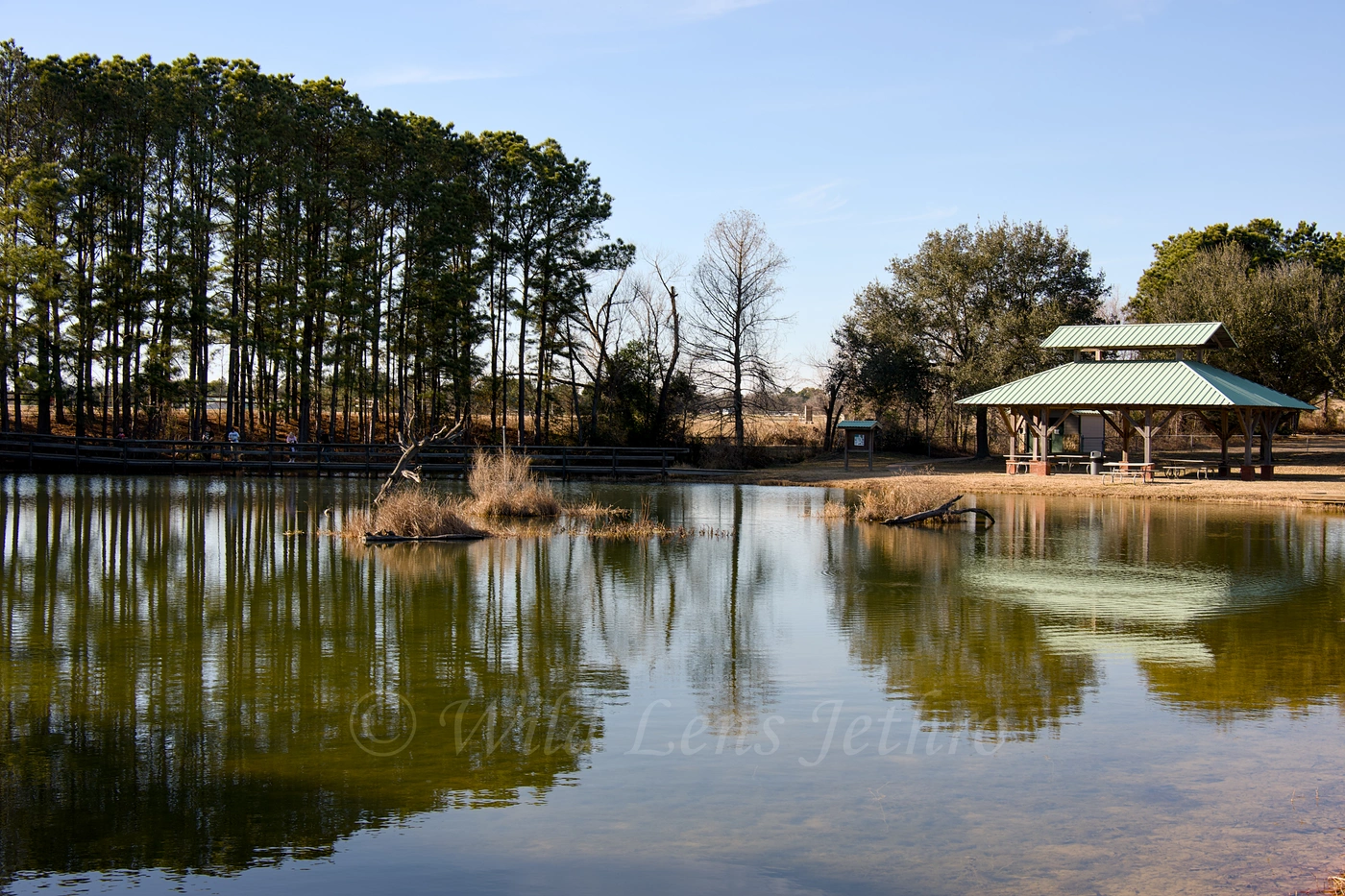
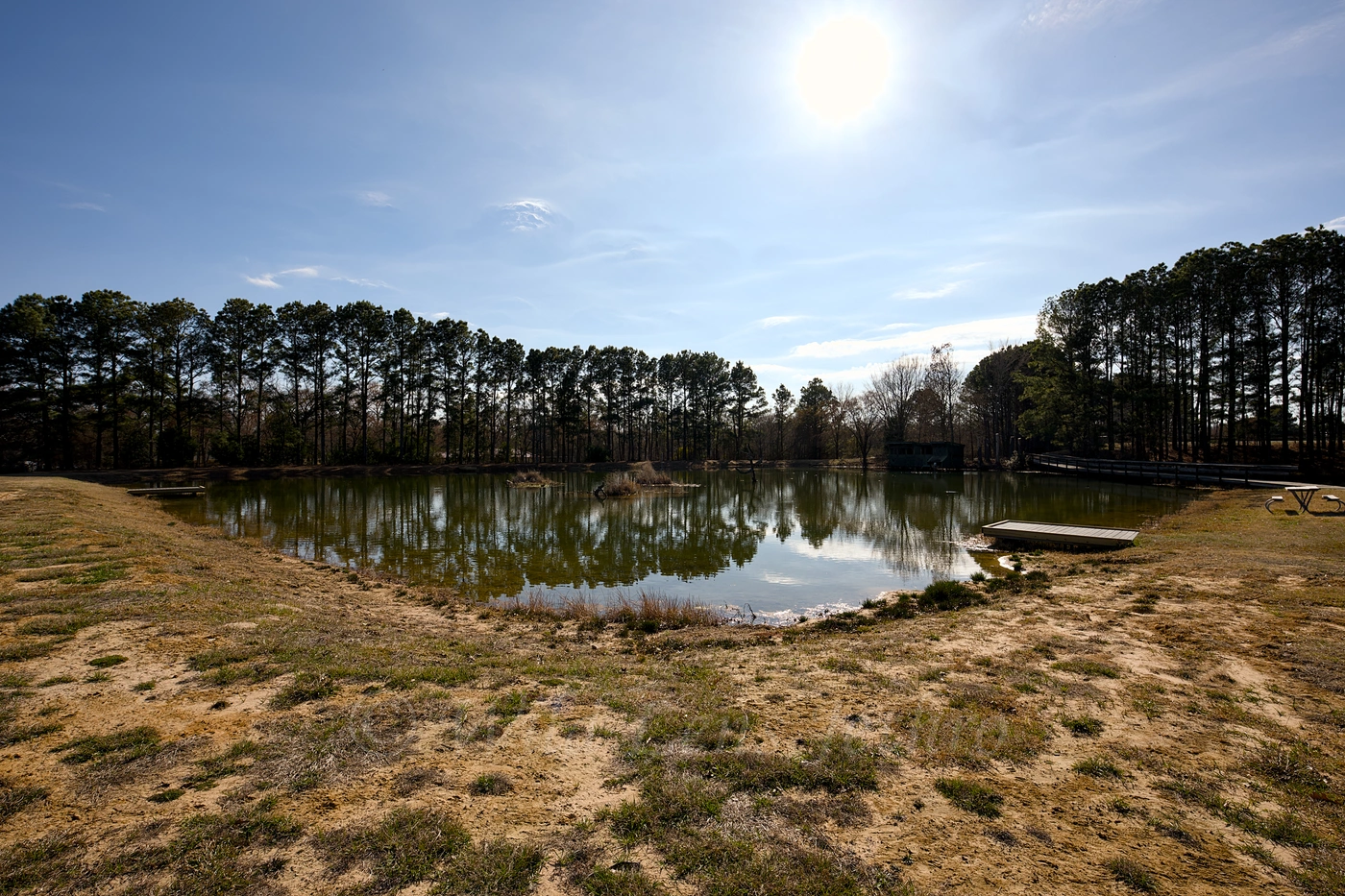
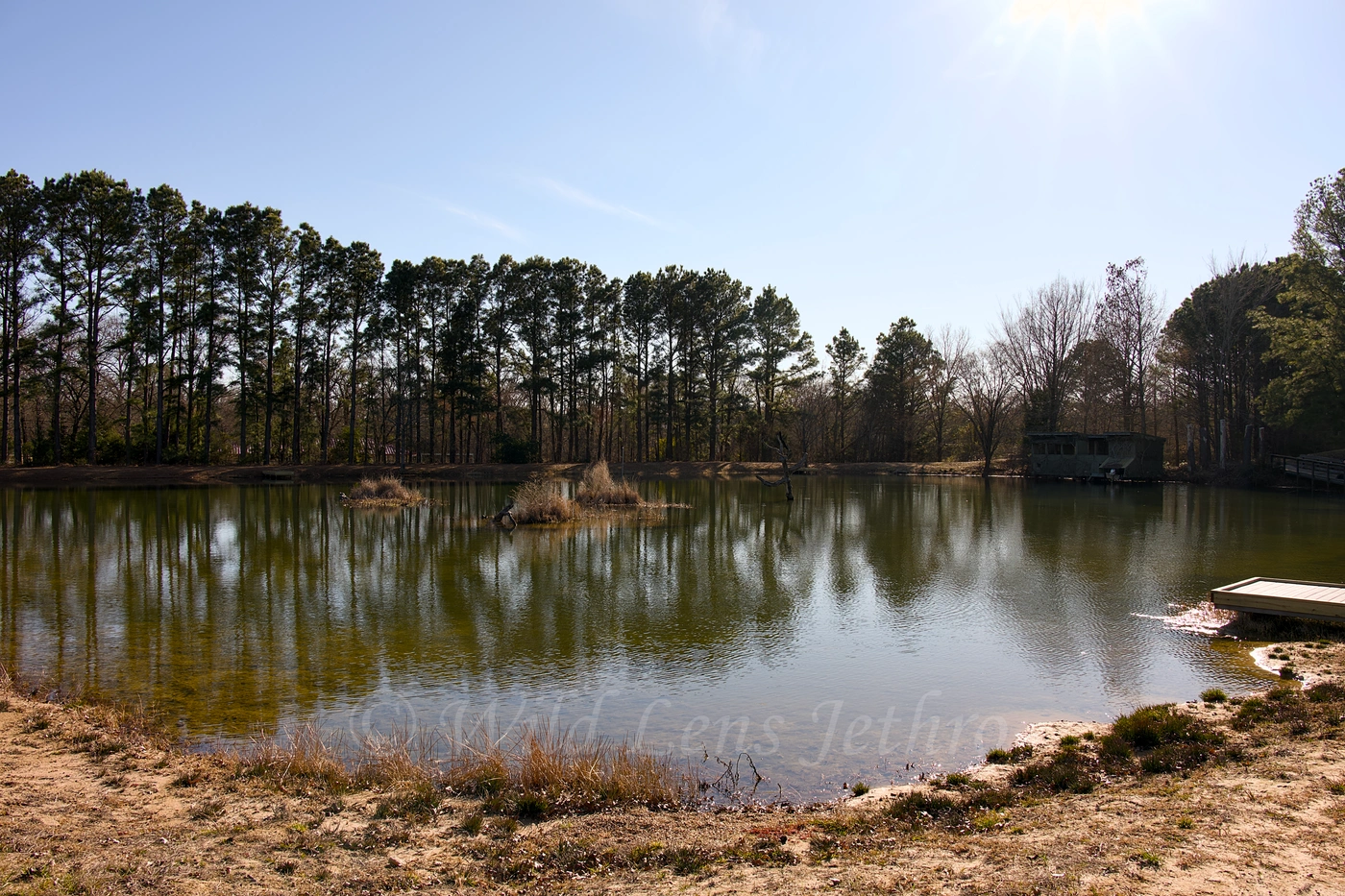

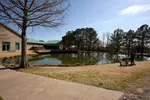
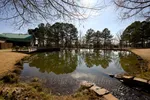
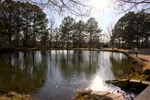
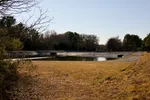
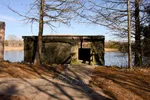
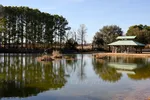
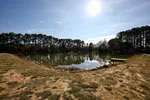
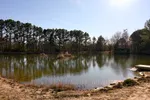
For most visitors, the fishing ponds are the main attraction. The ponds are well-stocked, and it’s common to see children and adults catching fish regularly. For families, this hands-on element often becomes the highlight of the visit.
There are three medium-to-large fishing ponds:
- One beside the fishing gear building
- A second pond further down the path
- A larger pond at the end of the trail
Fishing gear is provided free of charge—pole, hook, and bait included. You can bring your own gear, but it must be checked in.
I’ll be honest—fishing isn’t really my thing. But even as a non-angler, I found the ponds genuinely peaceful to walk around, and there’s something satisfying about watching families reeling in their lines and teaching their kids about bait.
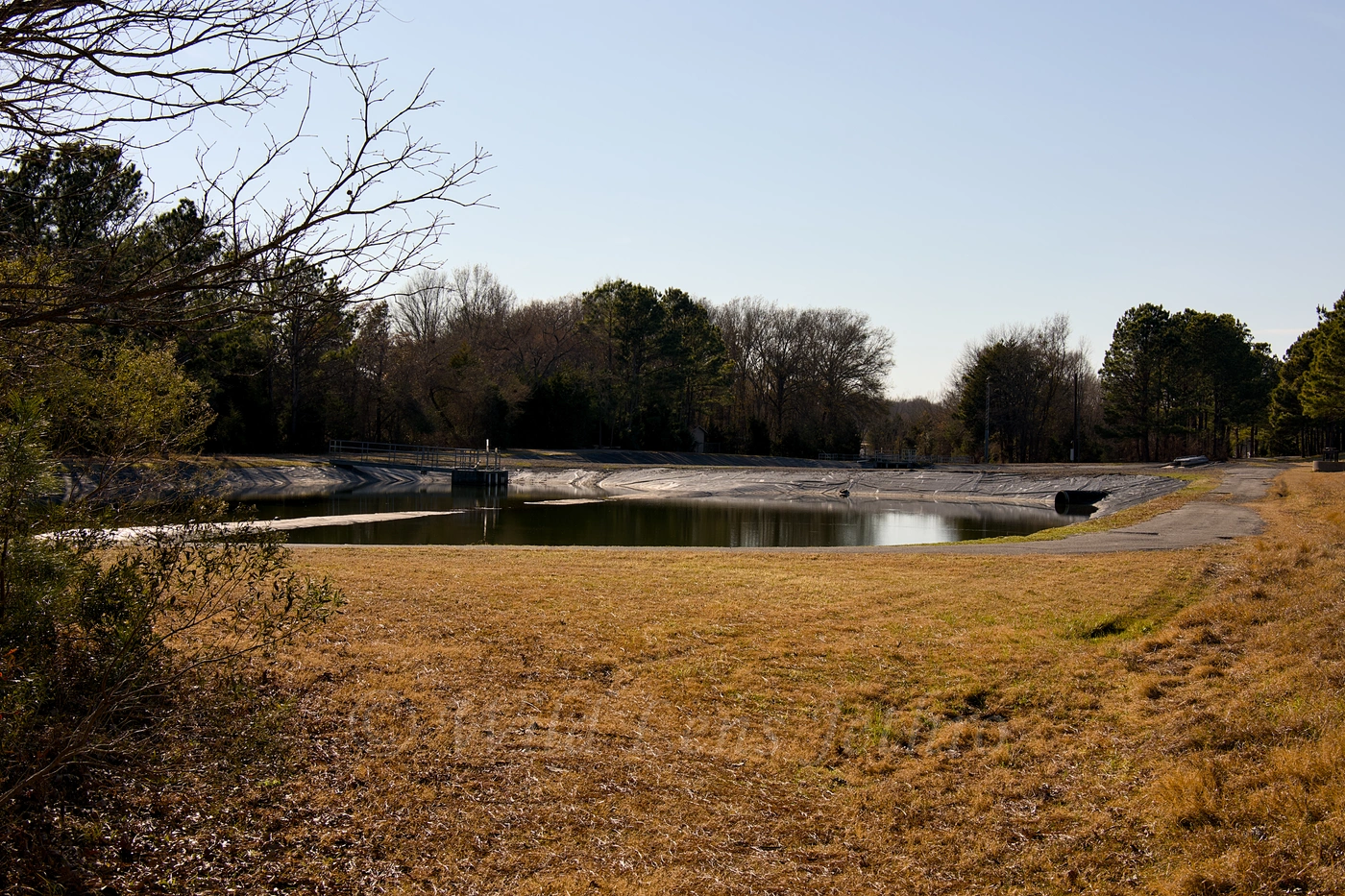
There’s also a scheduled tram ride (usually around 2:30pm) that provides up-close views of the hatcheries. The tram is the only practical way to see the hatcheries closely; otherwise, they’re only partially visible from a distance along the trail.
Wetlands Trail & Outdoor Areas

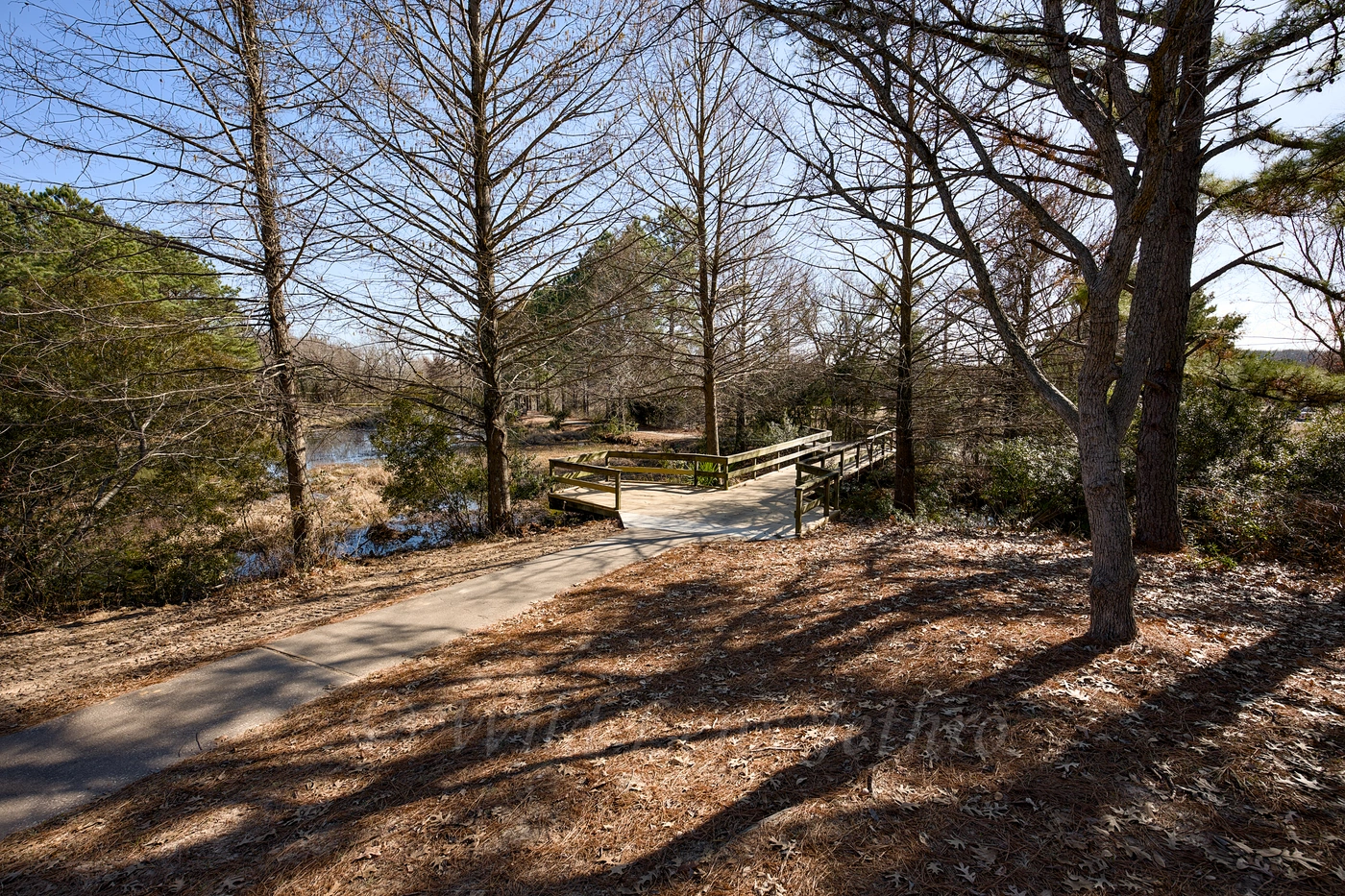
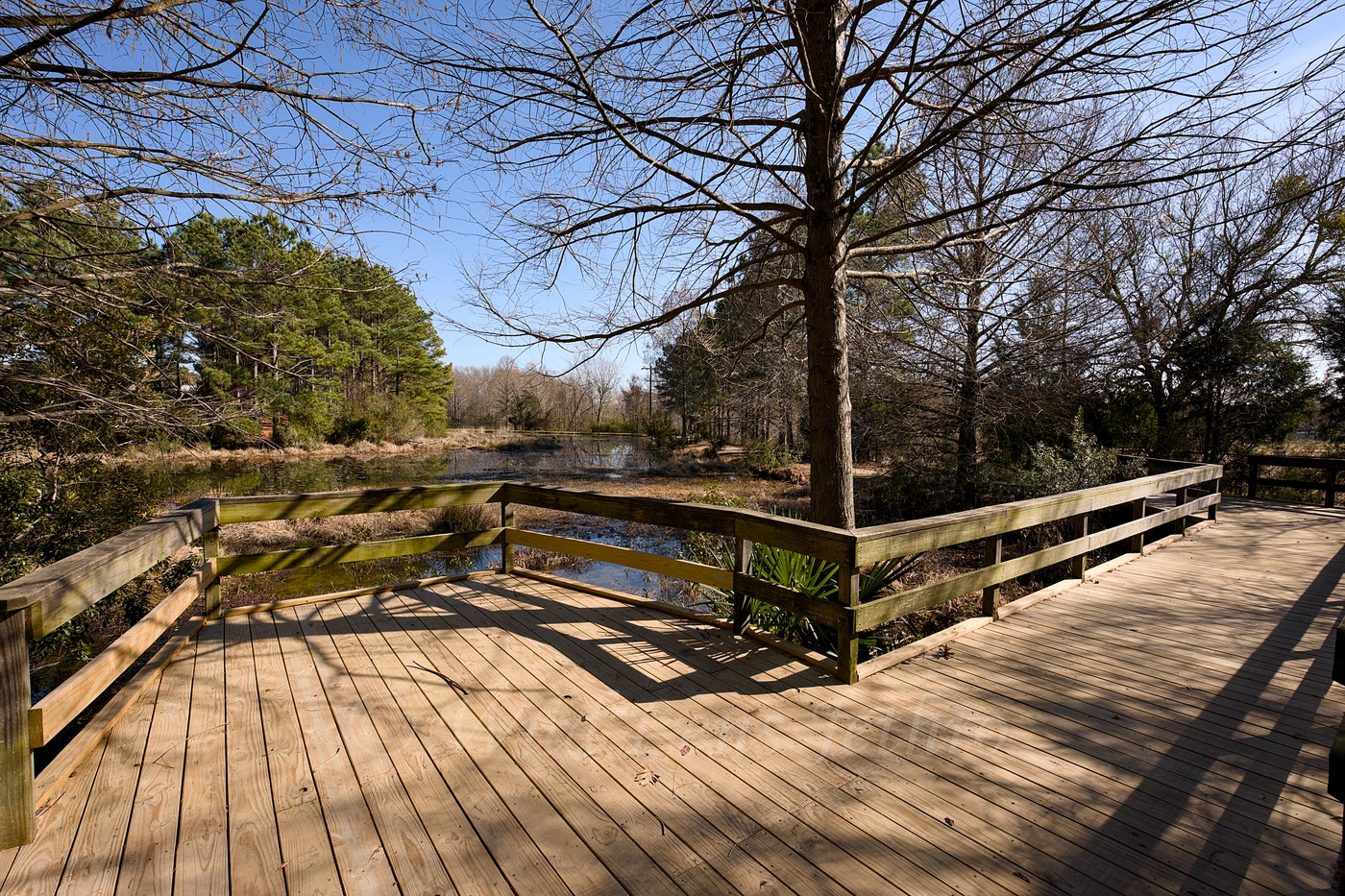
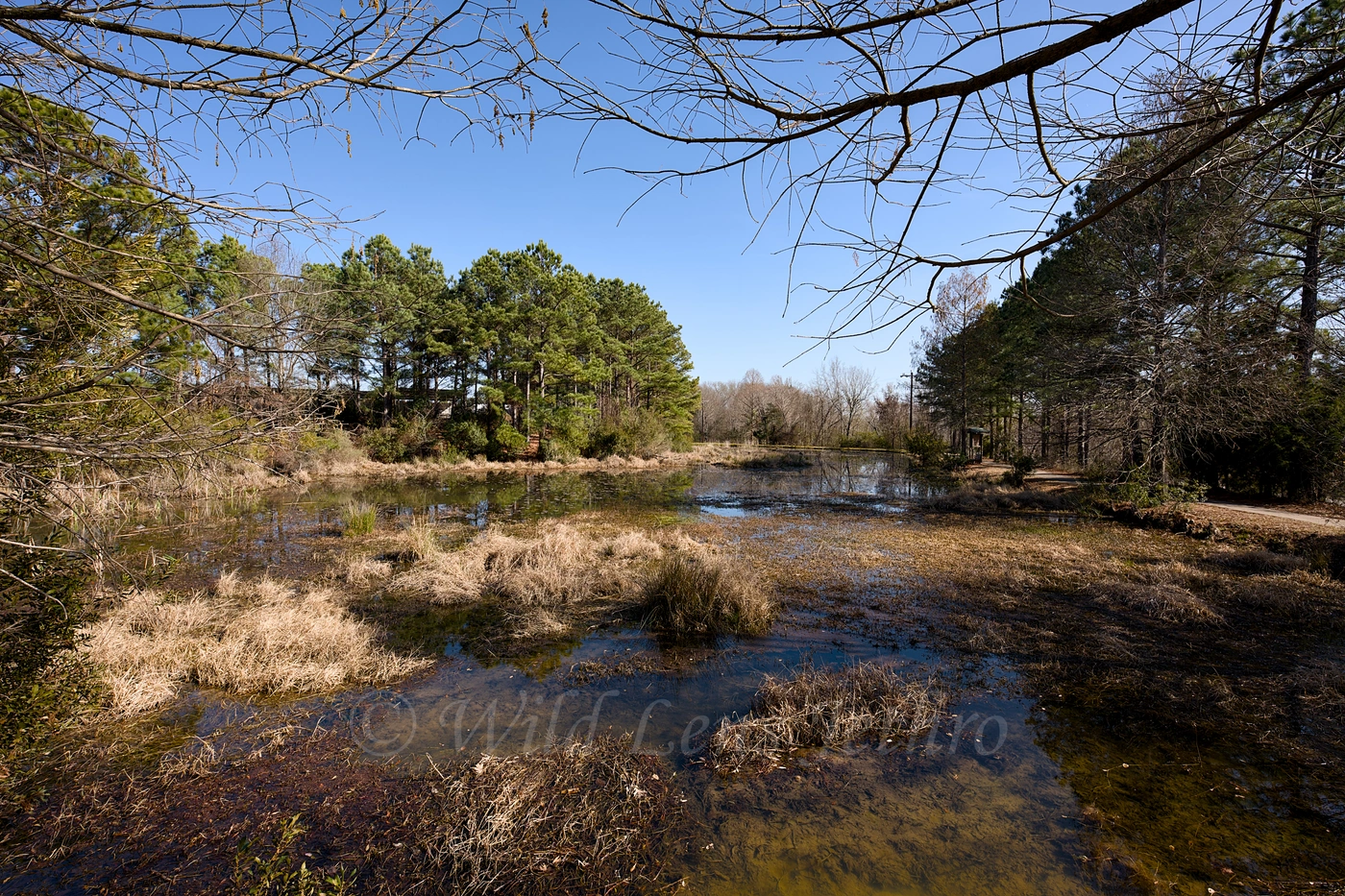
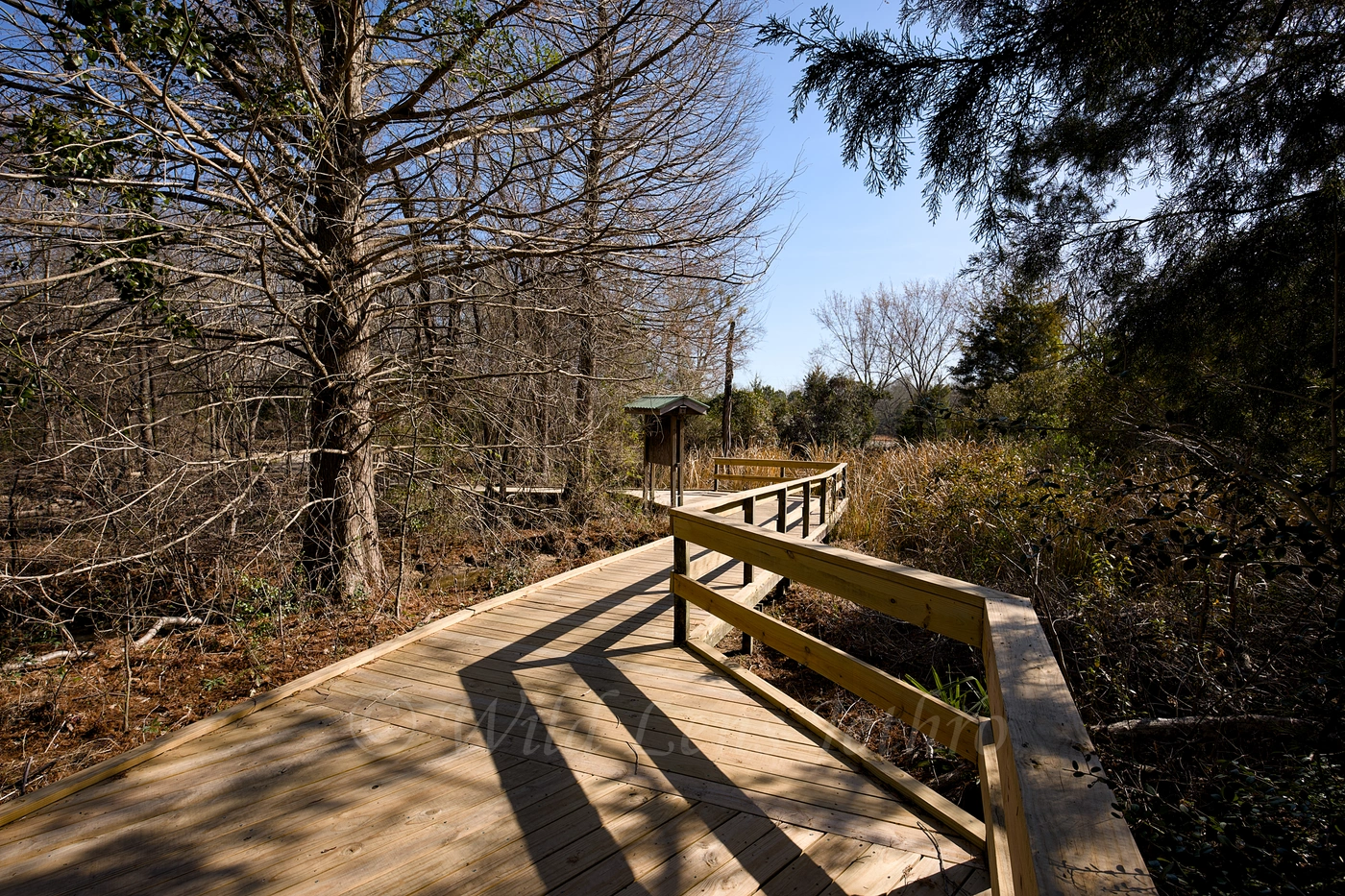
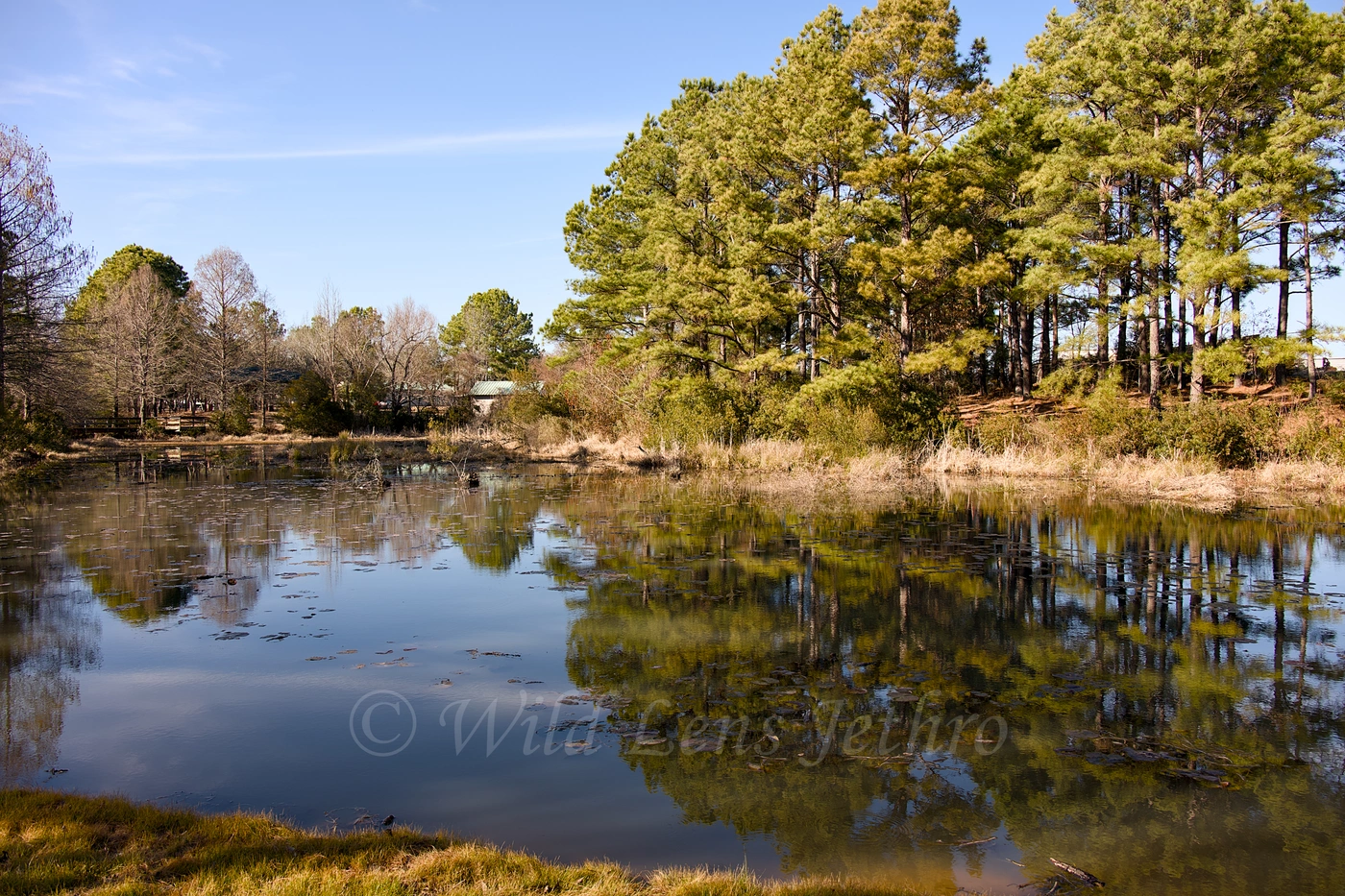
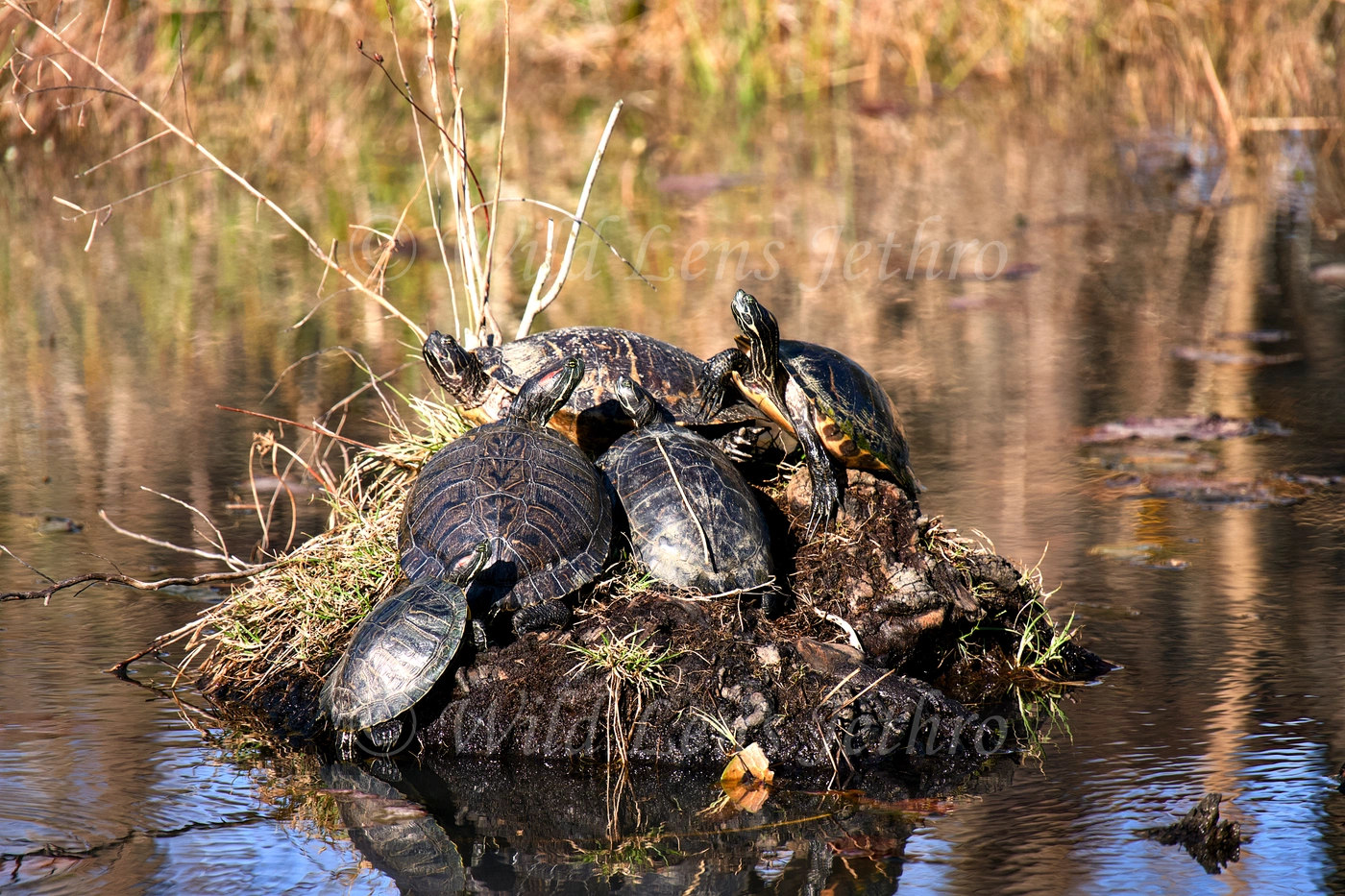
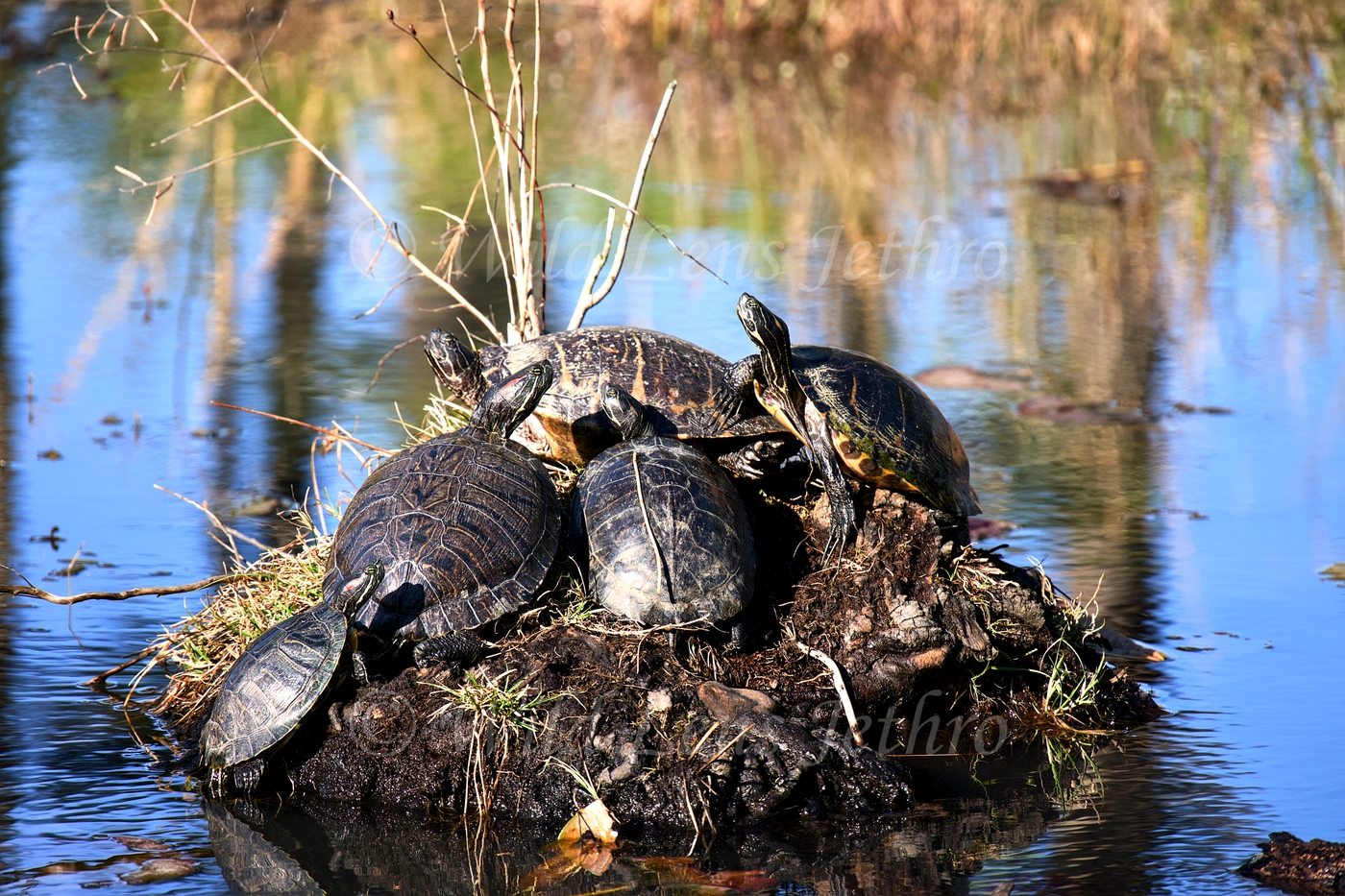
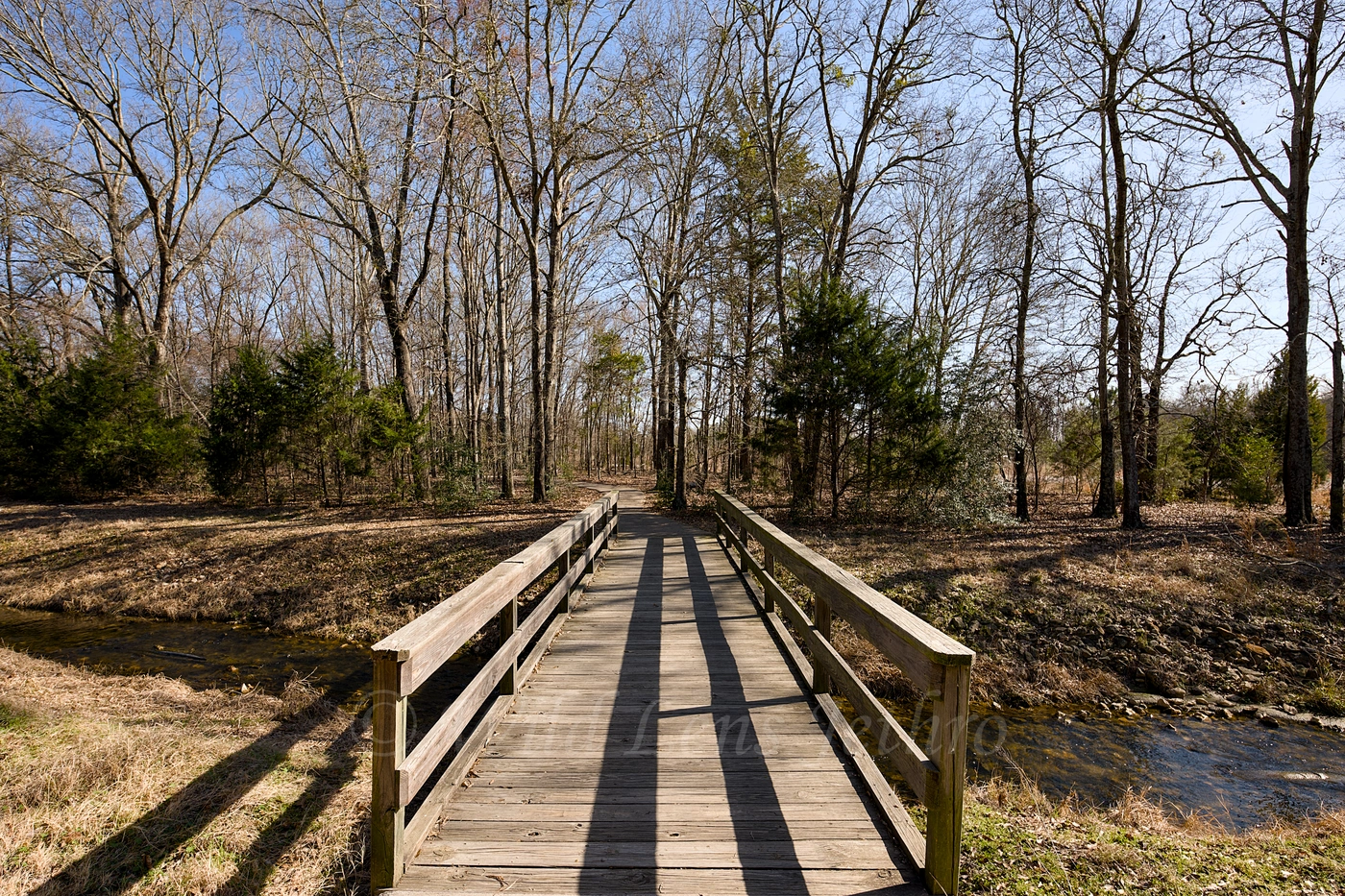
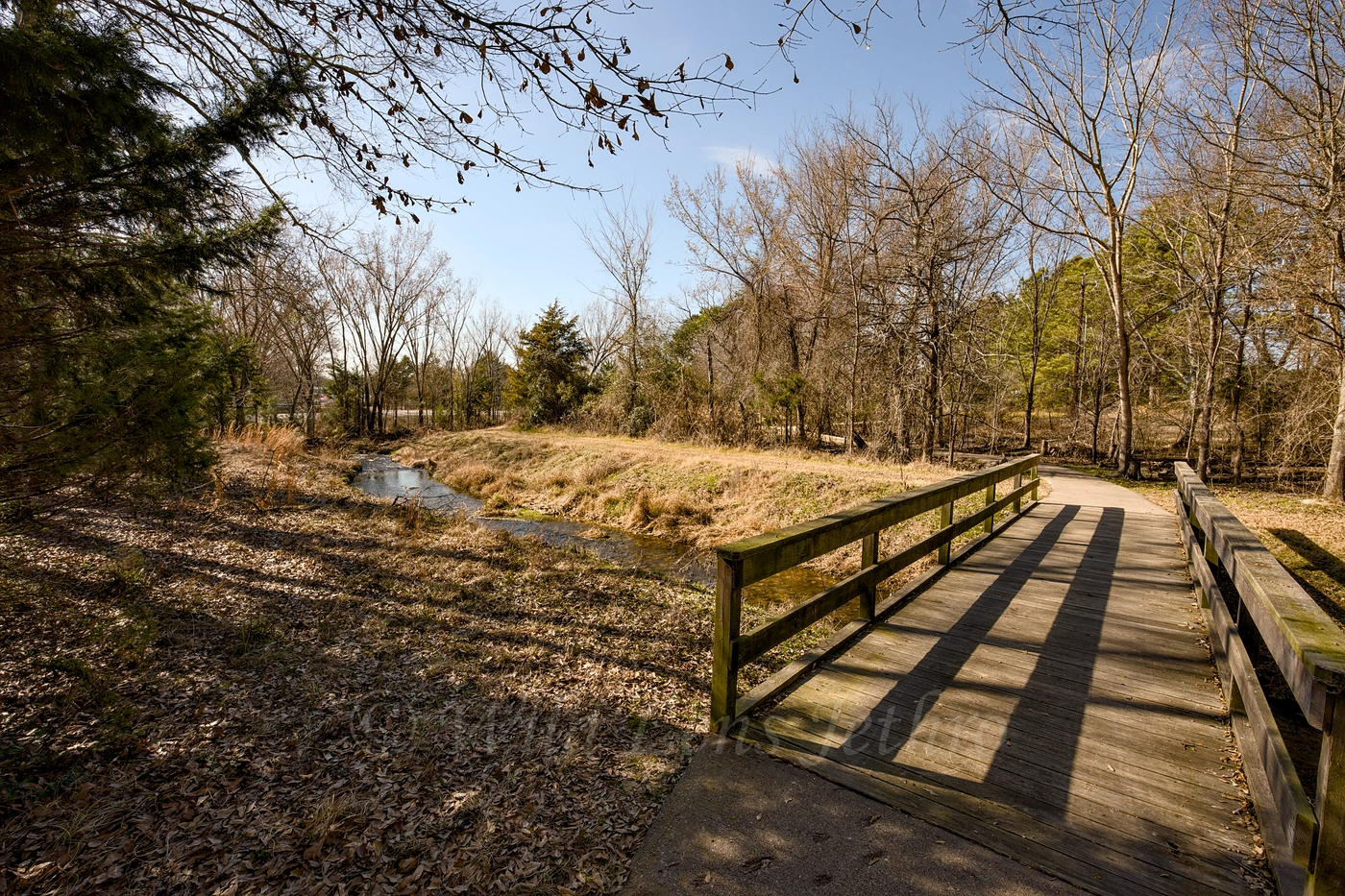
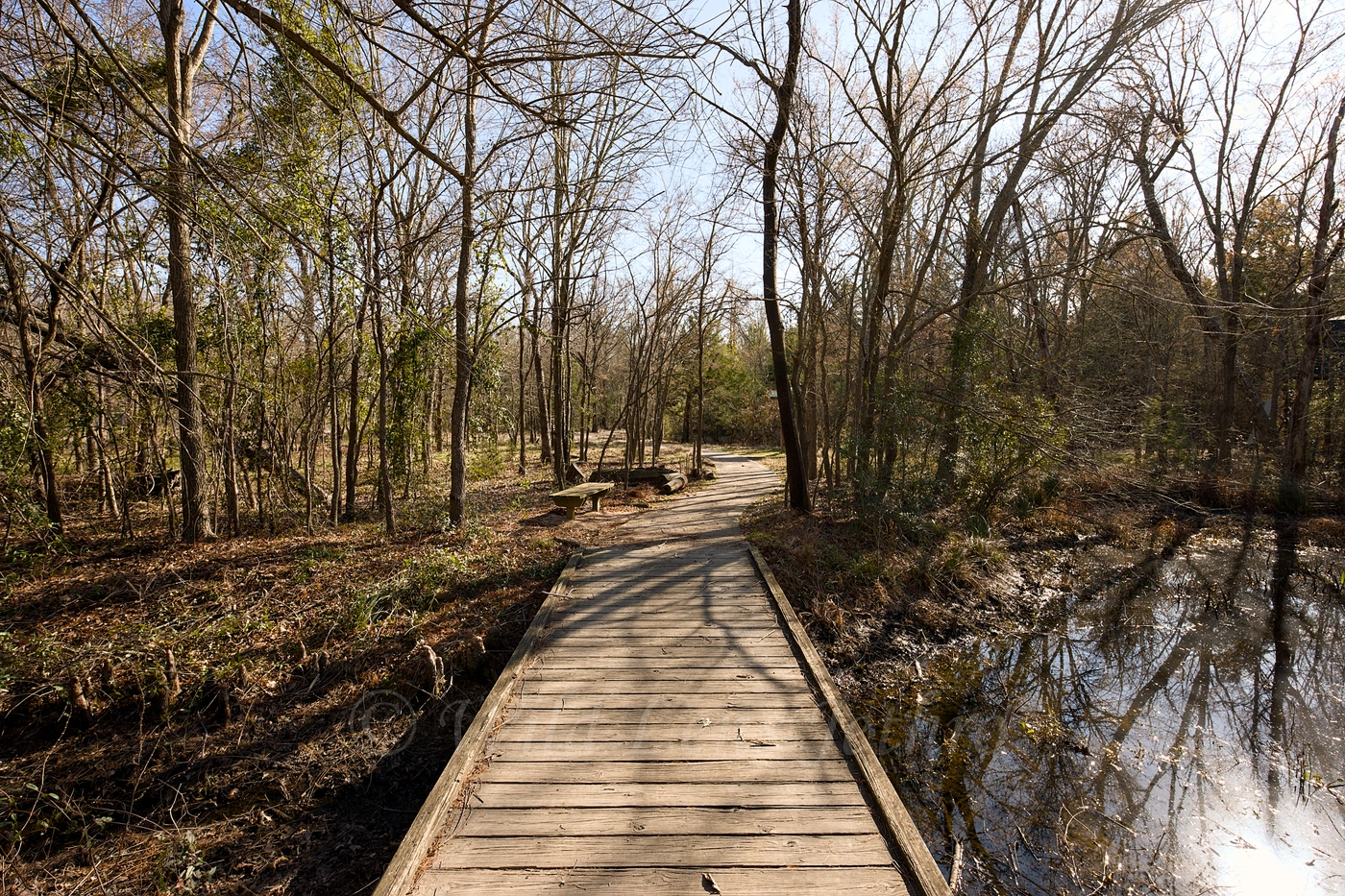
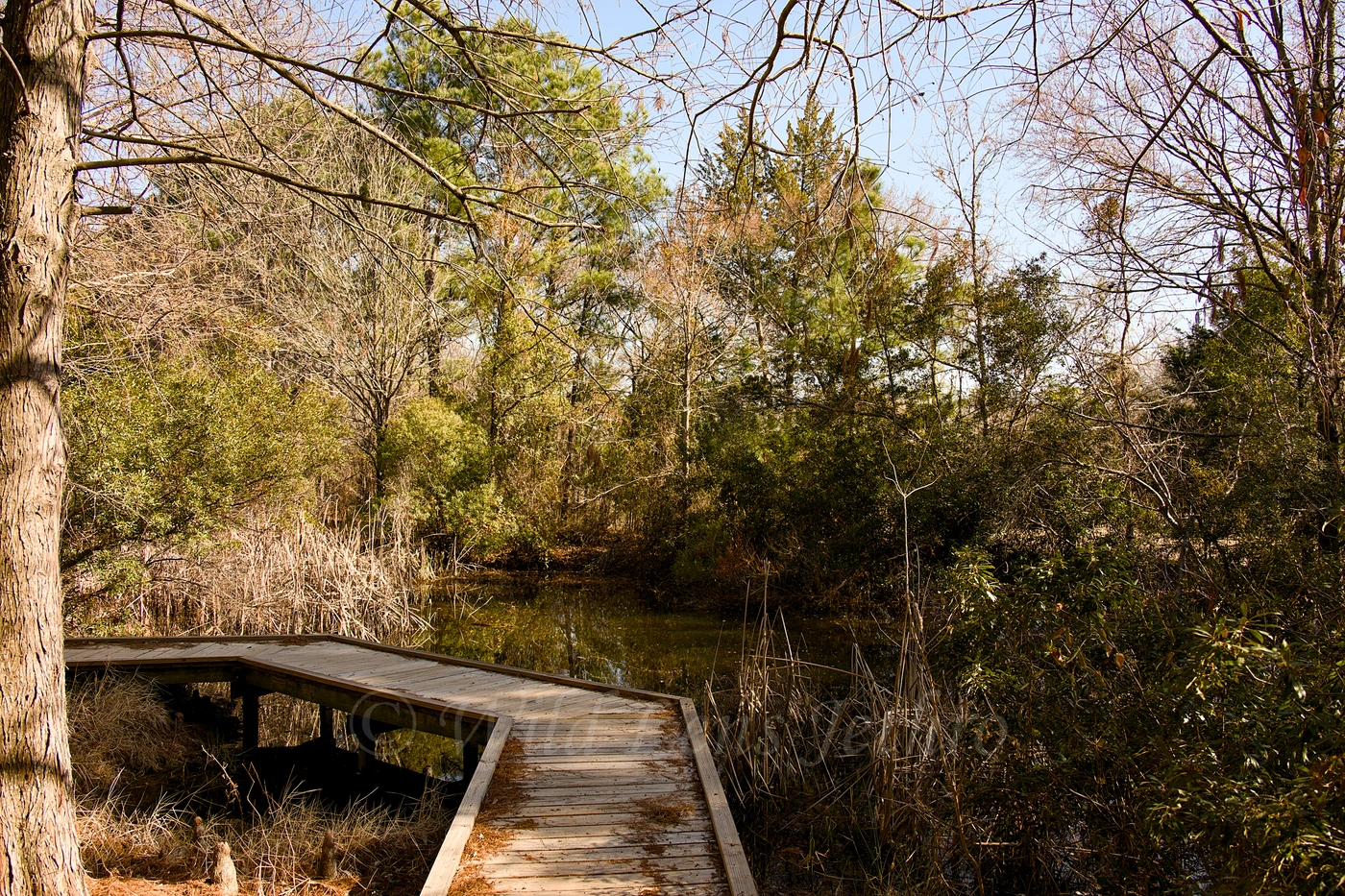
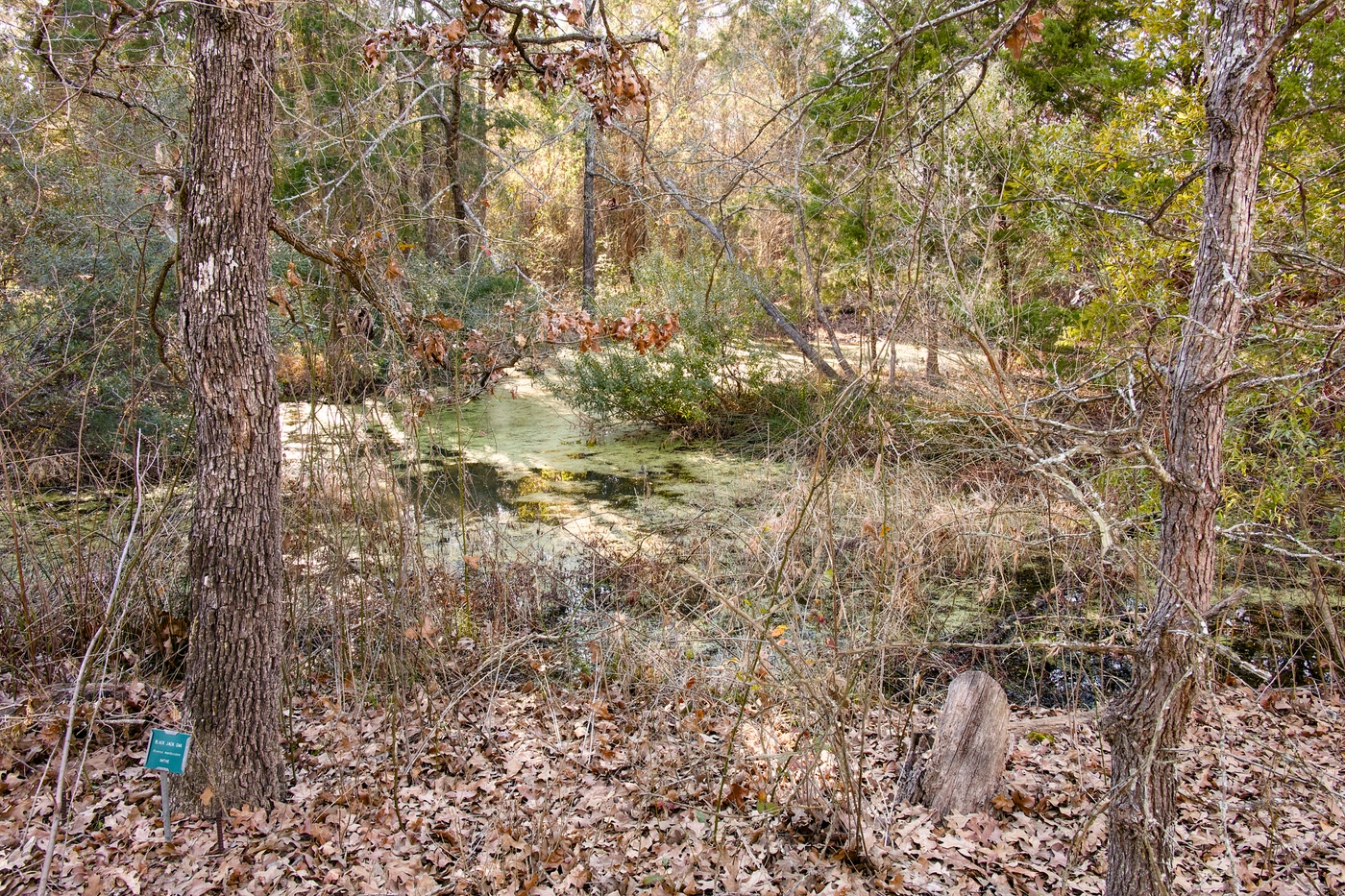
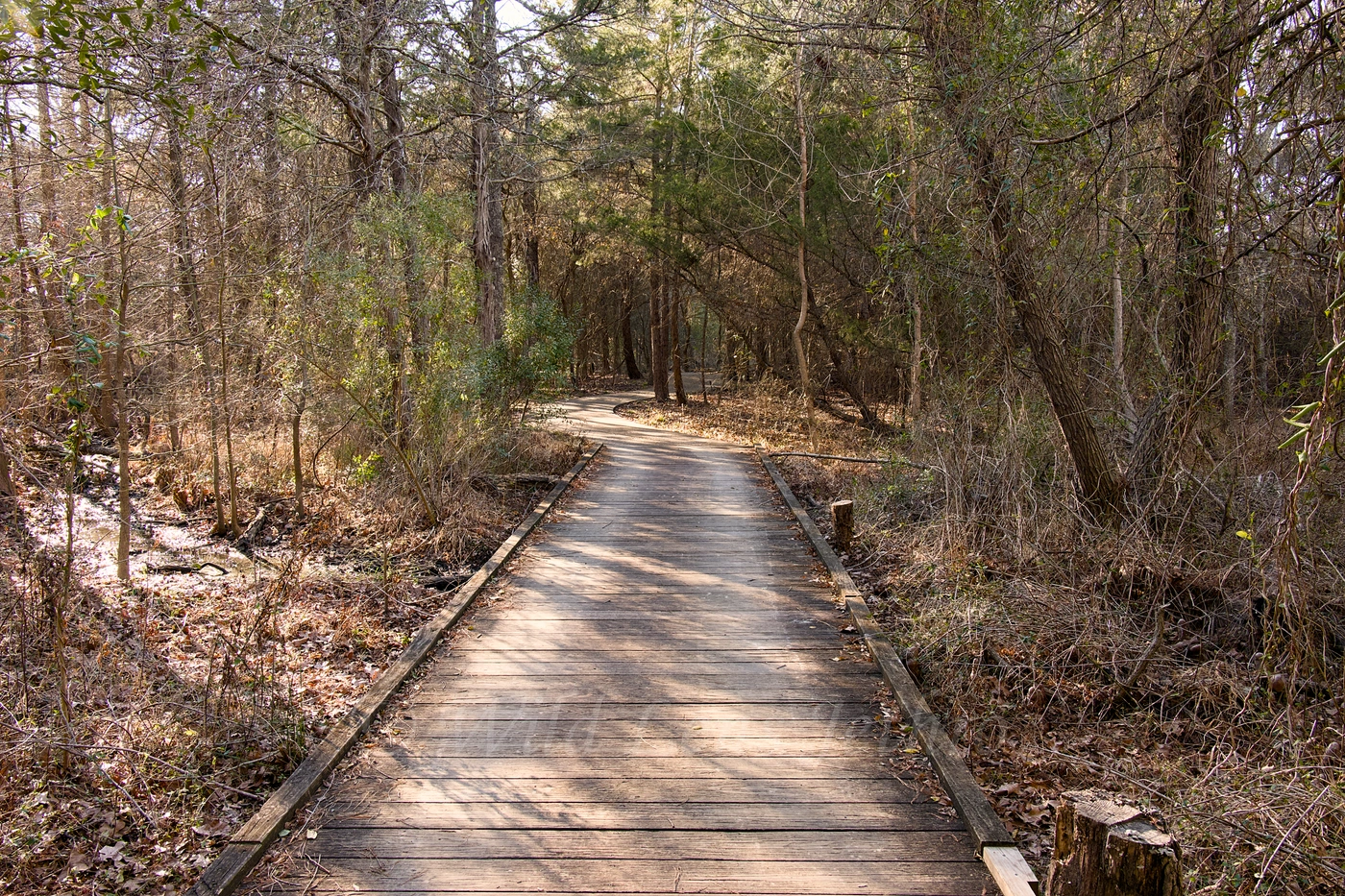
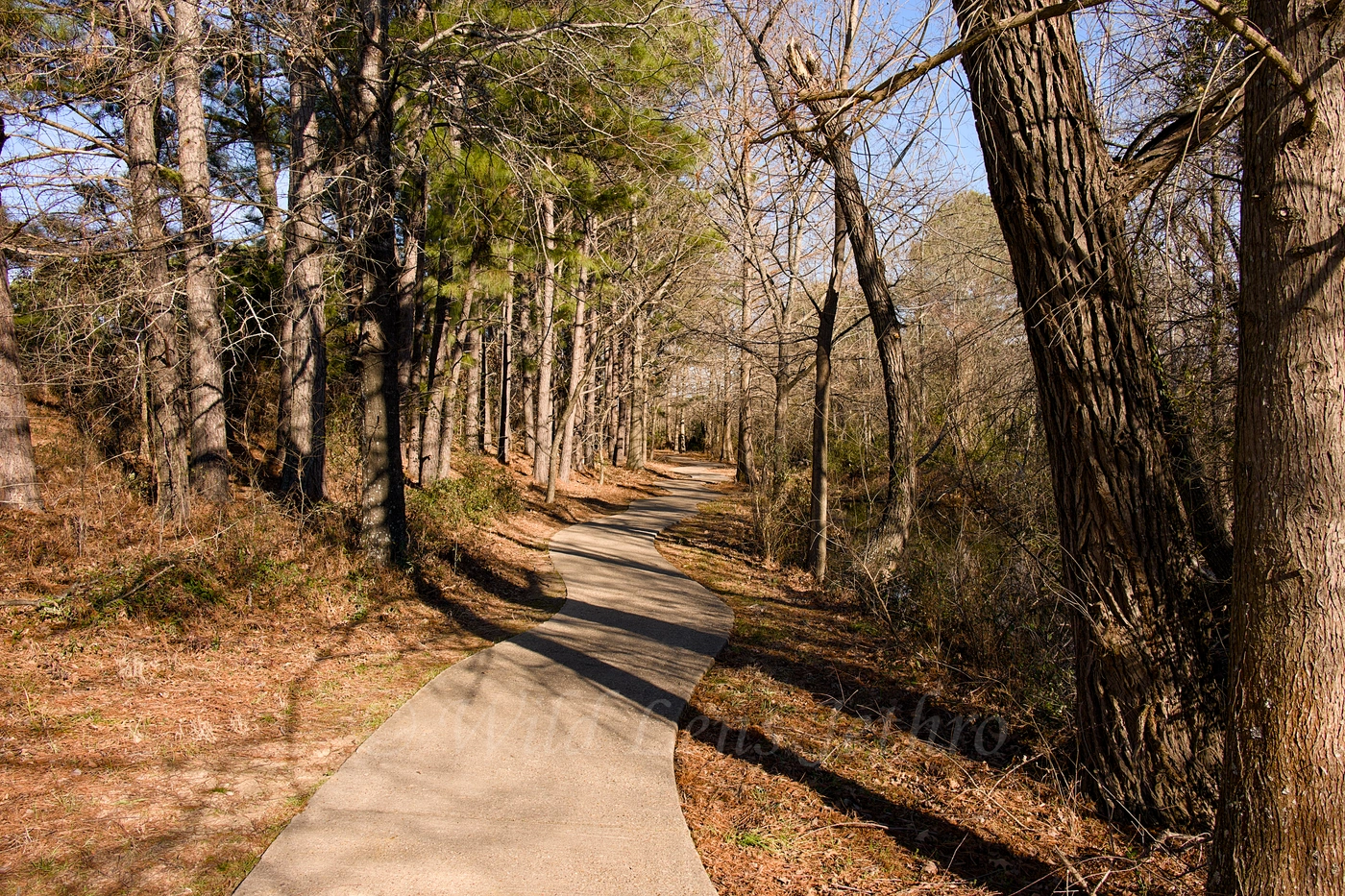
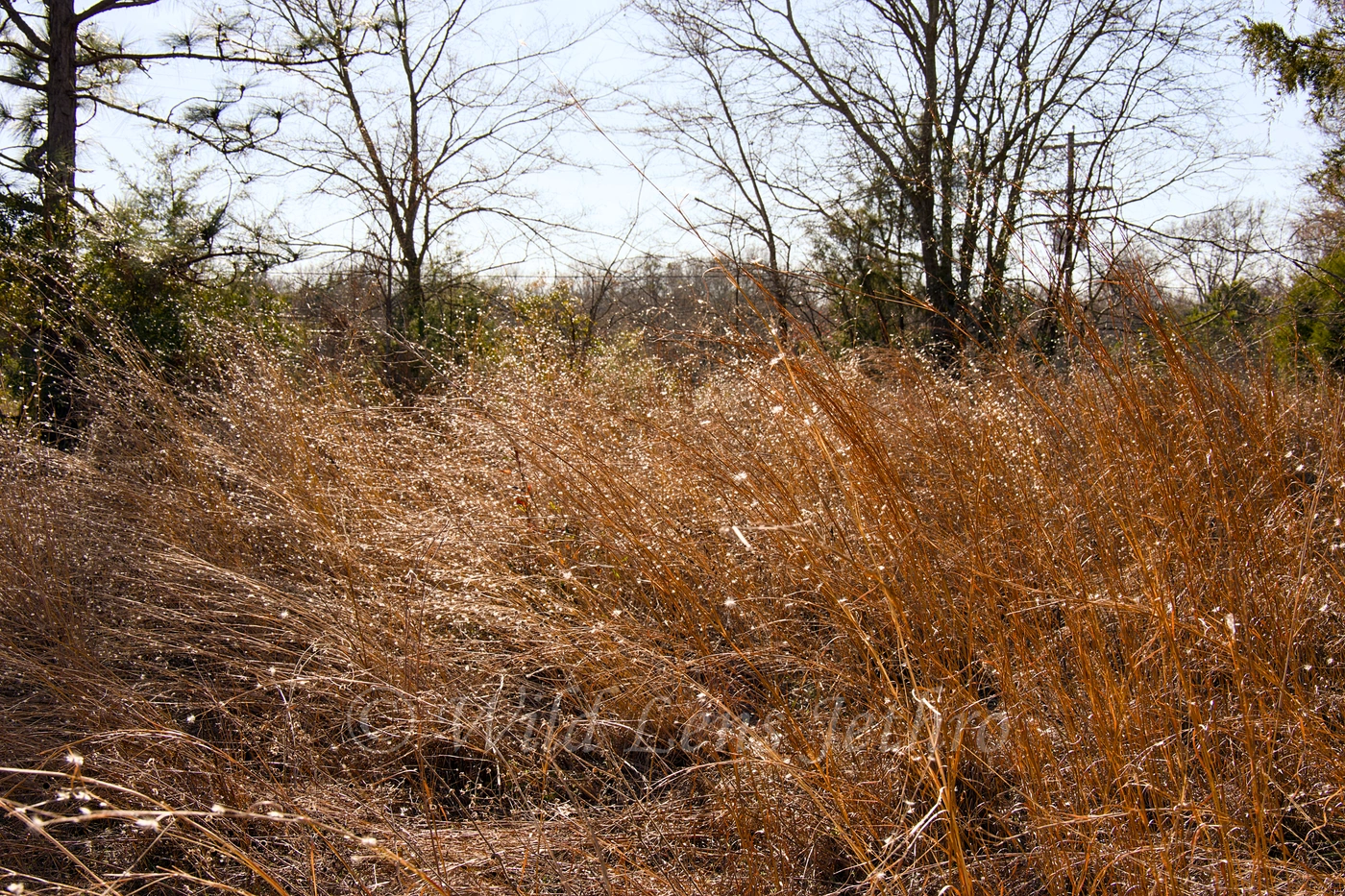



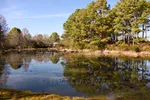
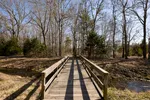
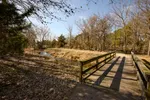
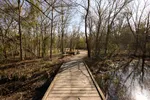
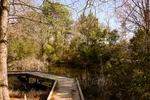
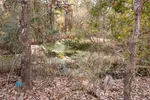
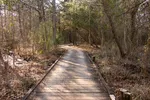
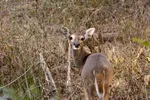
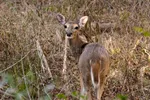


If you enjoy a quiet nature walk, the Wetlands Trail is a worthy walk. To find it, walk past the first fishing pond and look for the wooden archway labeled “Wetlands Trail.” It’s my favorite part of the fishery.
The flat, clearly marked concrete path is beautifully surrounded by trees and features cute animal tracks engraved directly into the walkway—a small, whimsical detail that kids especially love. It is an incredibly easy walking experience that is stroller-friendly, with occasional wooden bridges and dirt off-shoot paths to explore smaller sections.
Trail highlights:
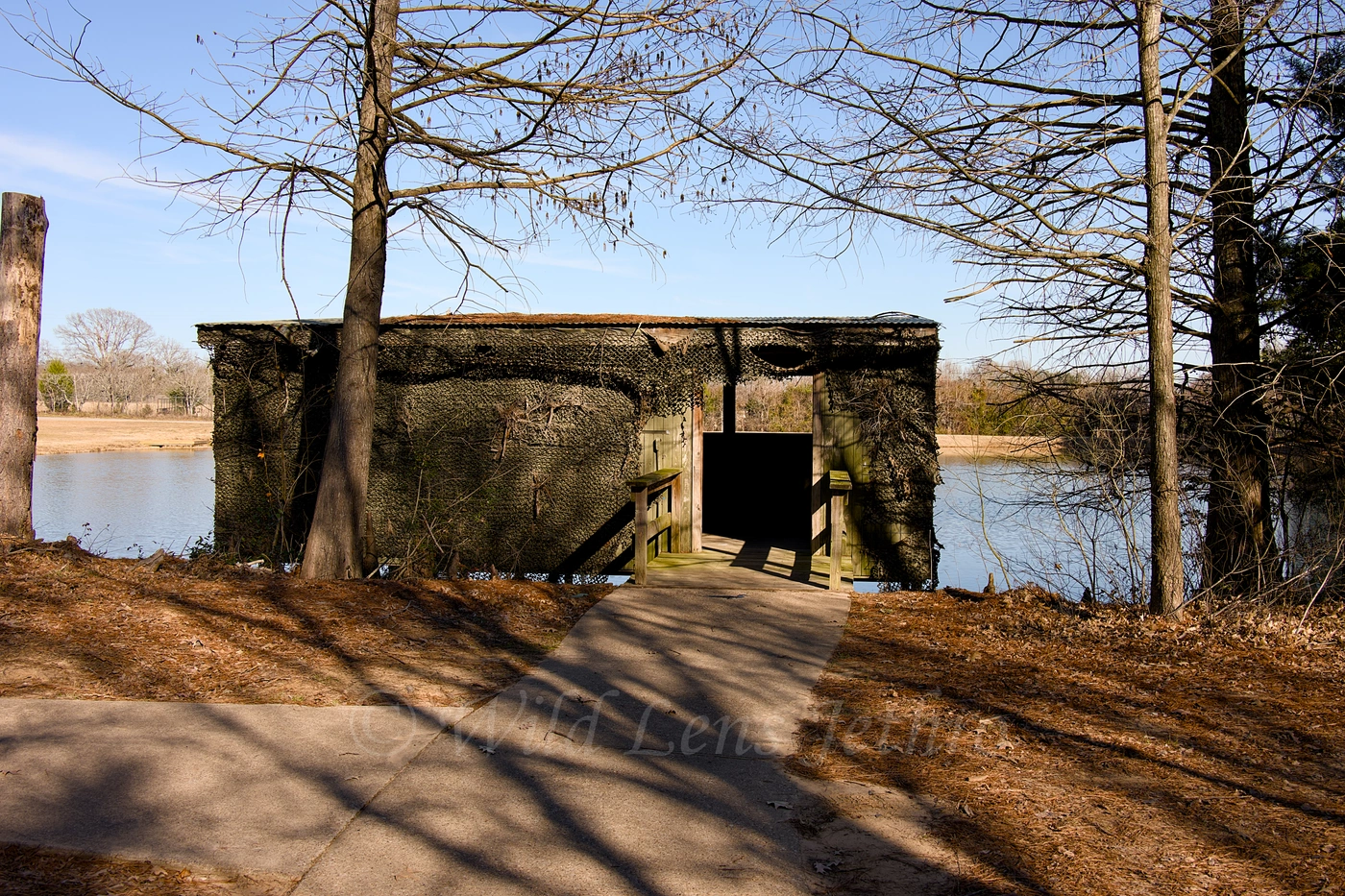
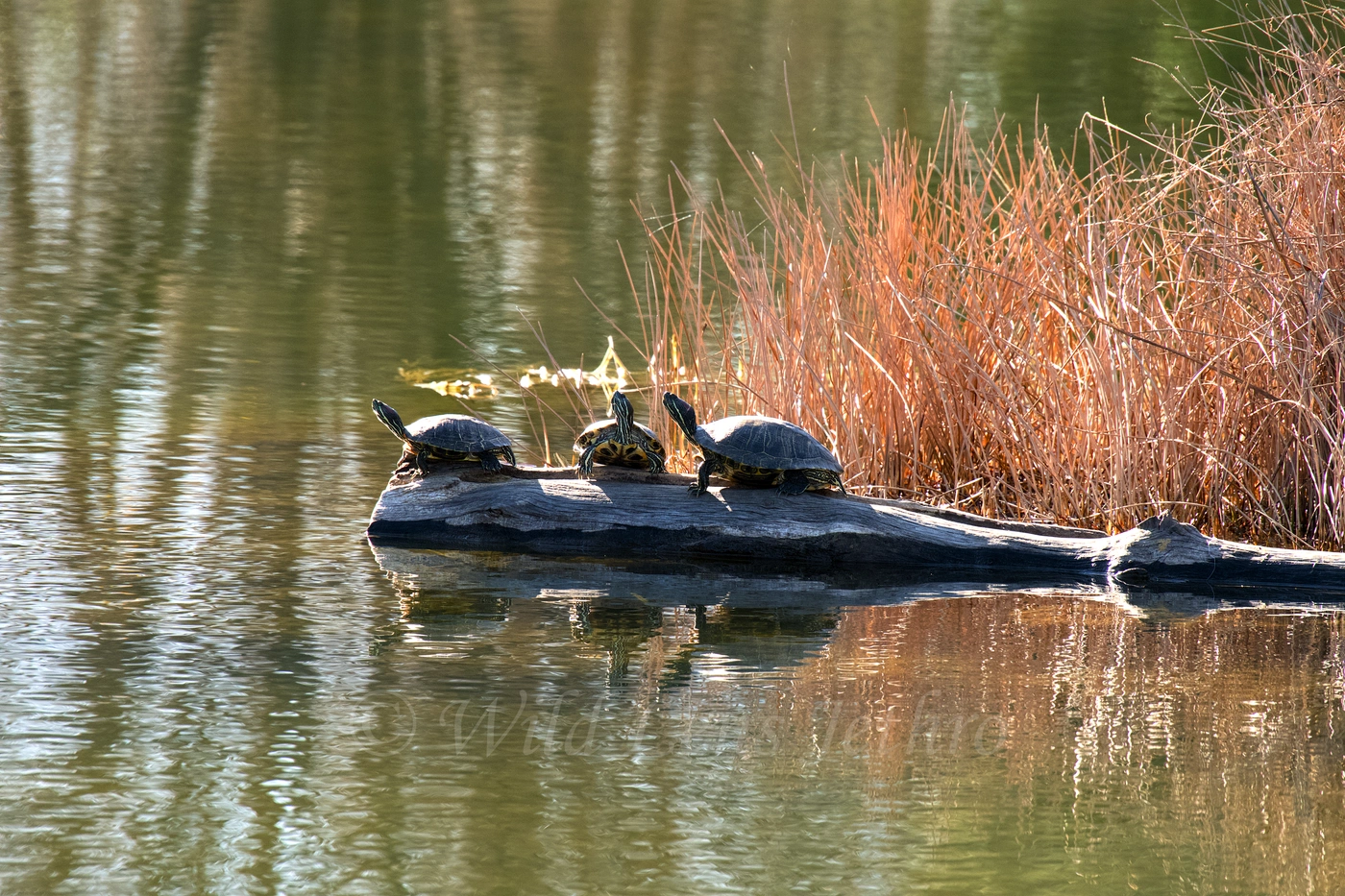
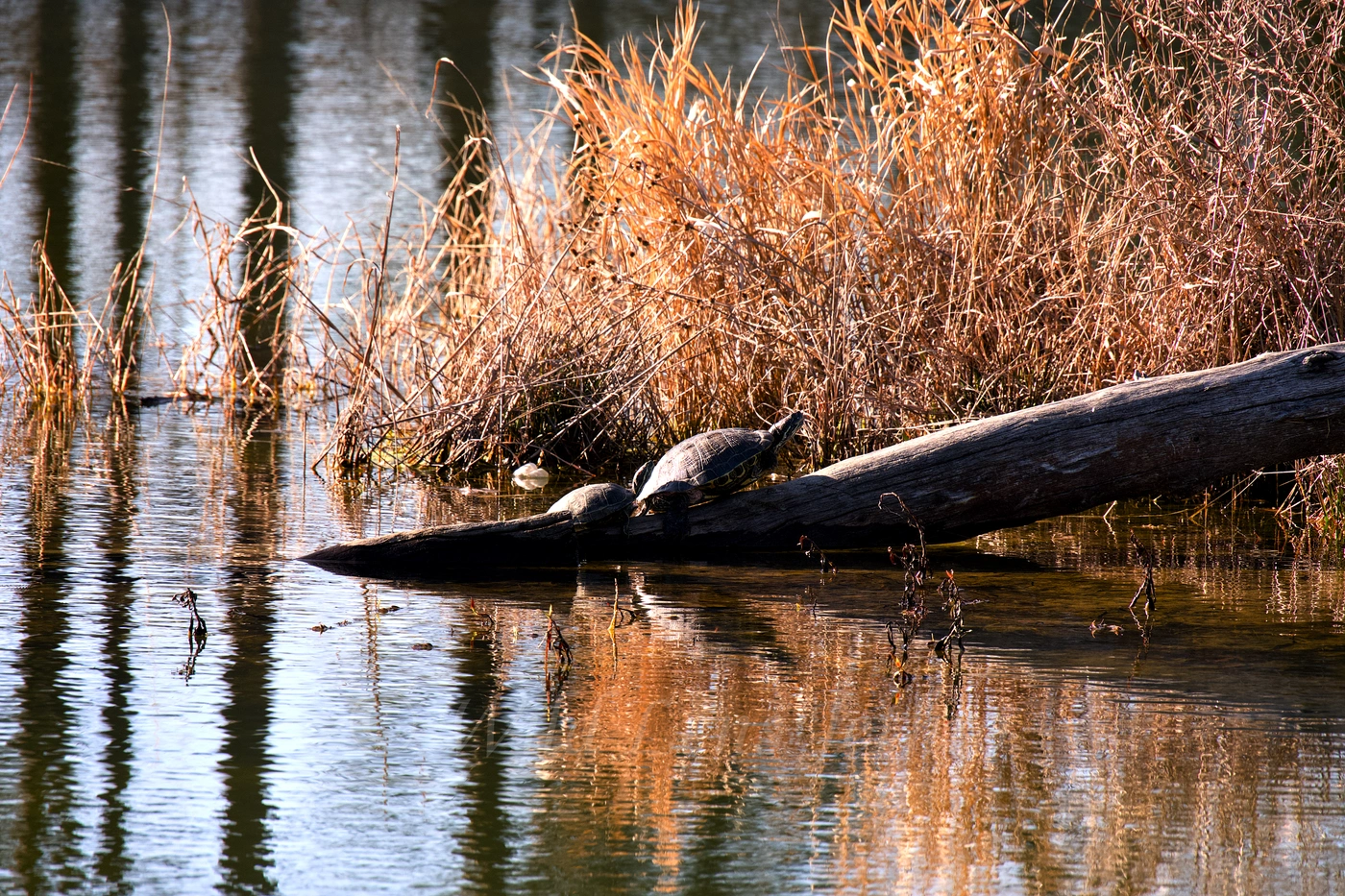
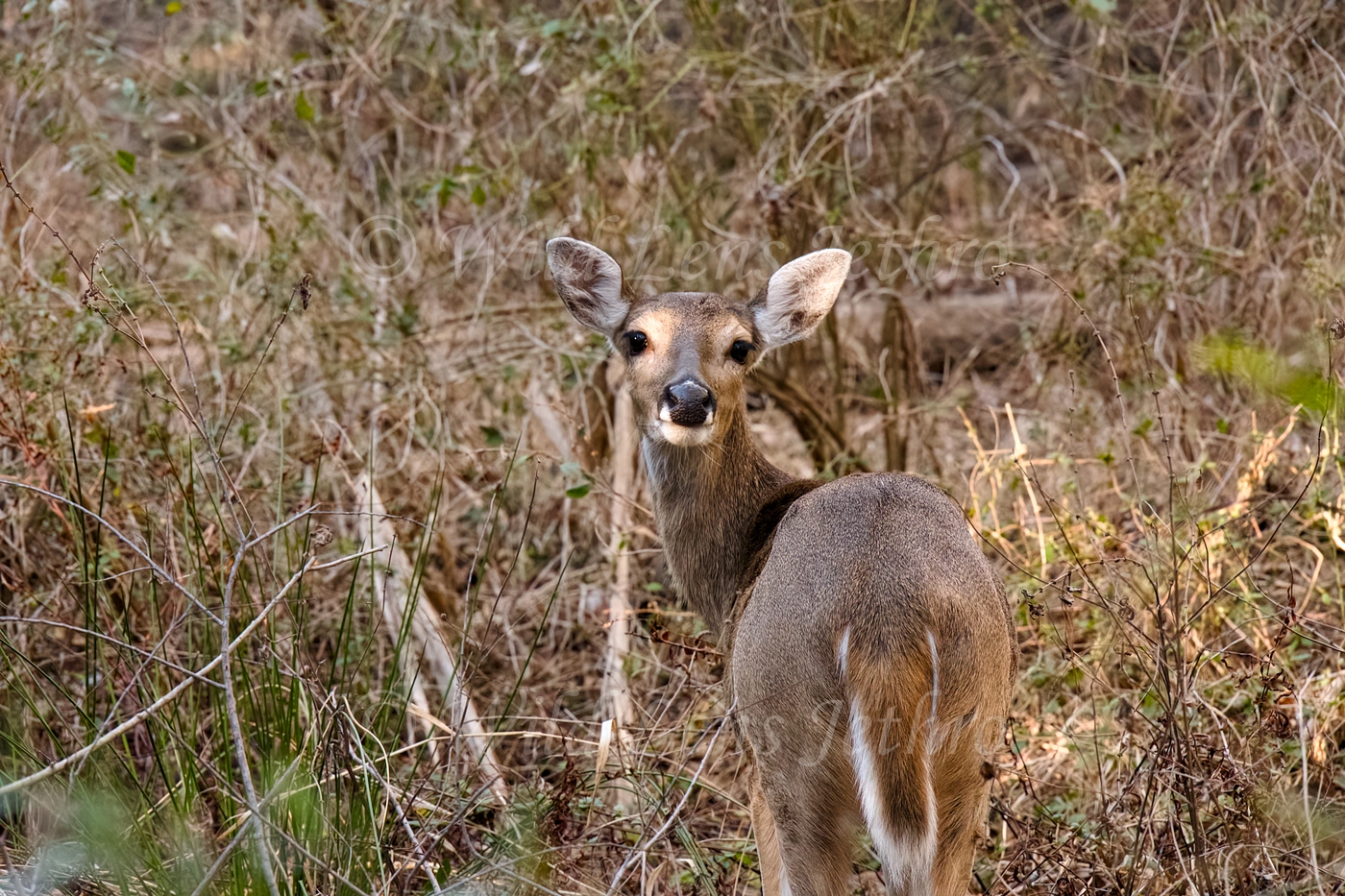
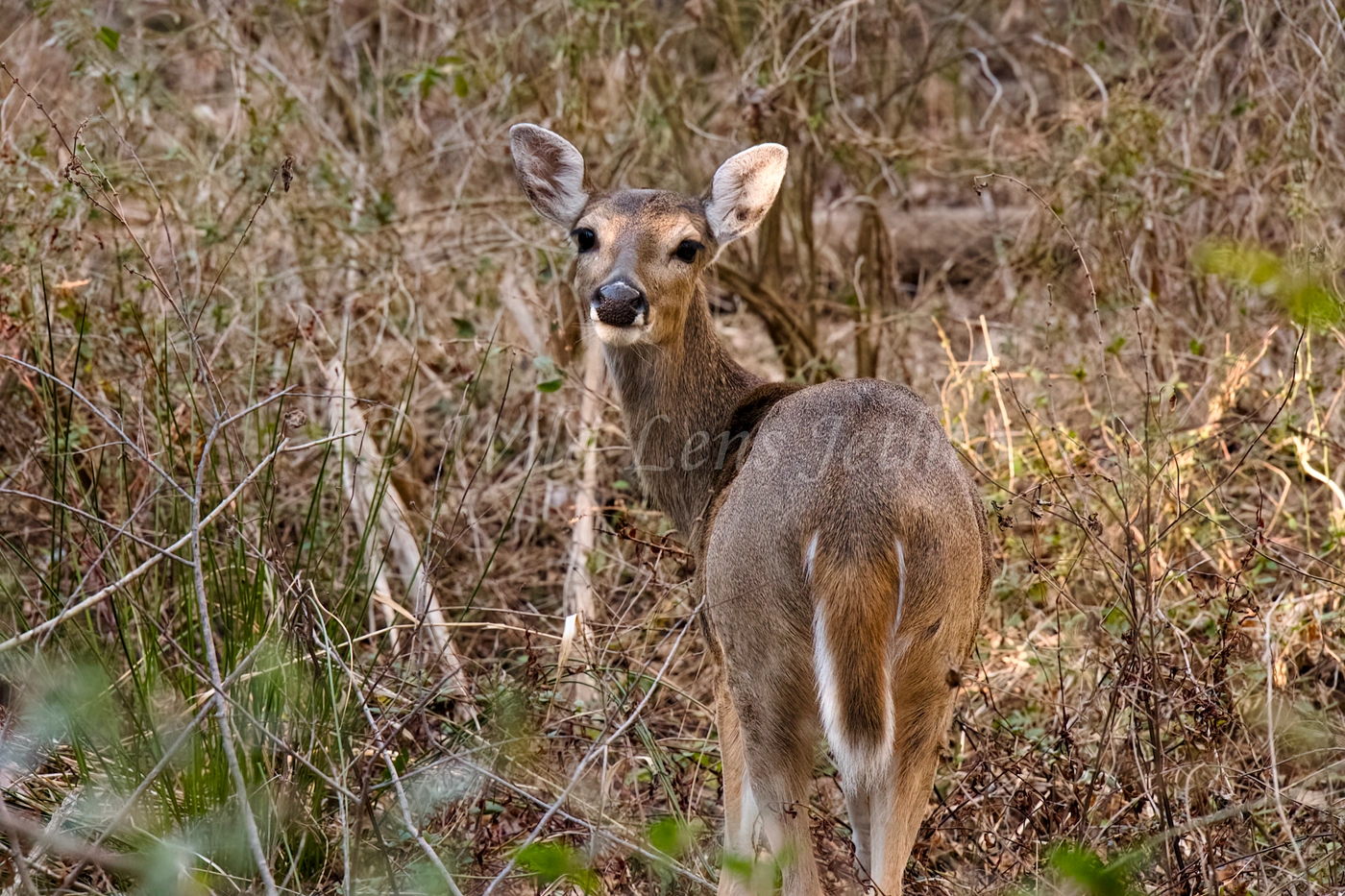
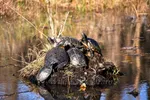
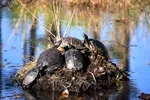
- Wildlife Spotting: I spotted warblers, chickadees, cardinals, and blue jays. My absolute favorite moment was seeing groups of adorable pond sliders (turtles) basking on small islands in the ponds.
- Atmosphere: You get to enjoy the fresh smell of pine needles, the gentle sound of the river flowing beneath the bridges, and constant birdsong.
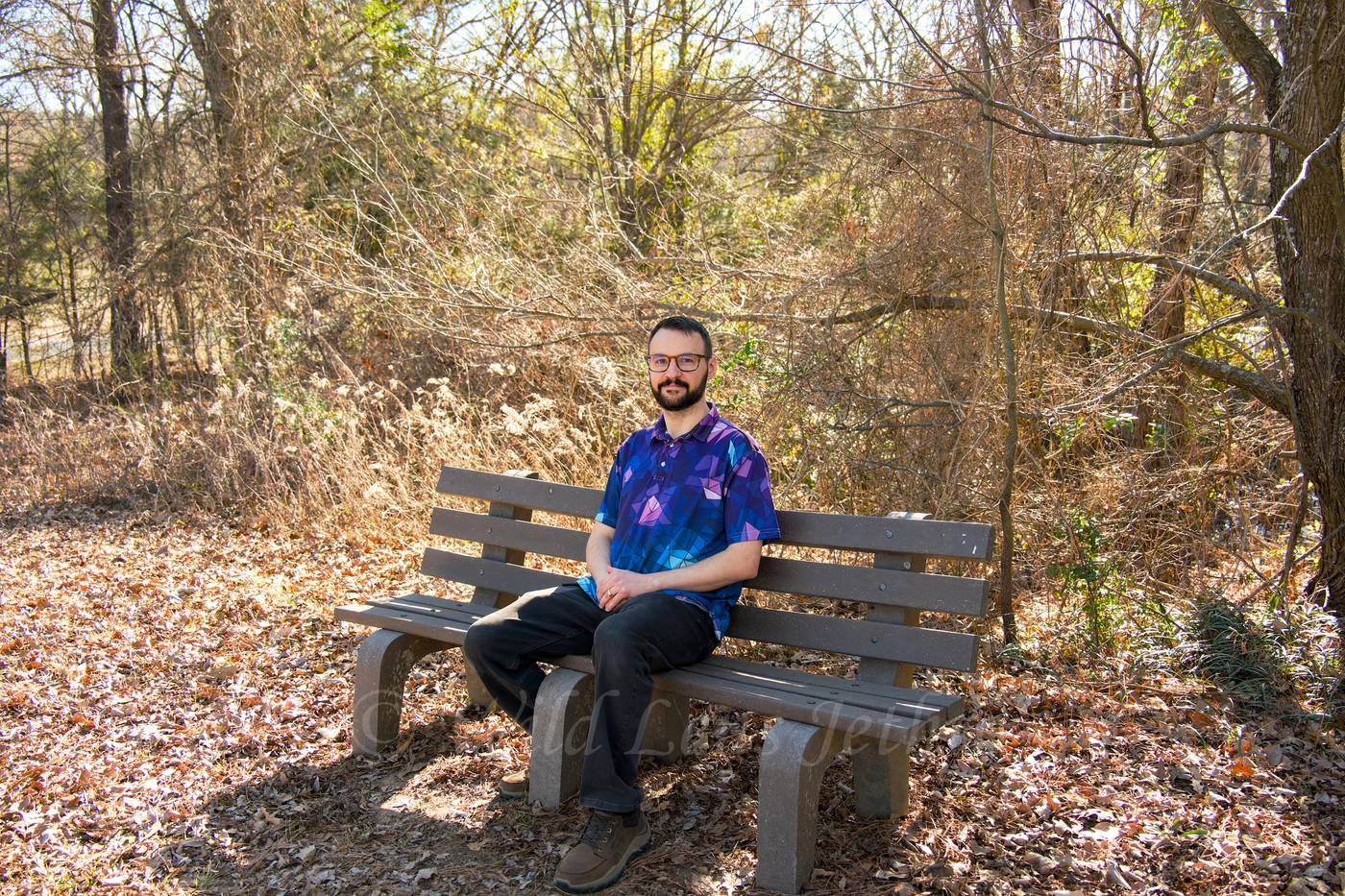
- Rest Stops: There are plenty of benches and informative billboards detailing local species along the route.
The entire trail, including the return trip, takes just over an hour at a leisurely pace. Spring is especially beautiful, but the trail remains enjoyable year-round.
Food, Restrooms & Picnic Areas
There is no restaurant or café on-site, only a few vending machines and small gift shop snacks. You’ll want to prepare by eating beforehand, packing a lunch, or planning a nearby meal.
Should you pack your lunch, picnic areas are plentiful at the fishery:
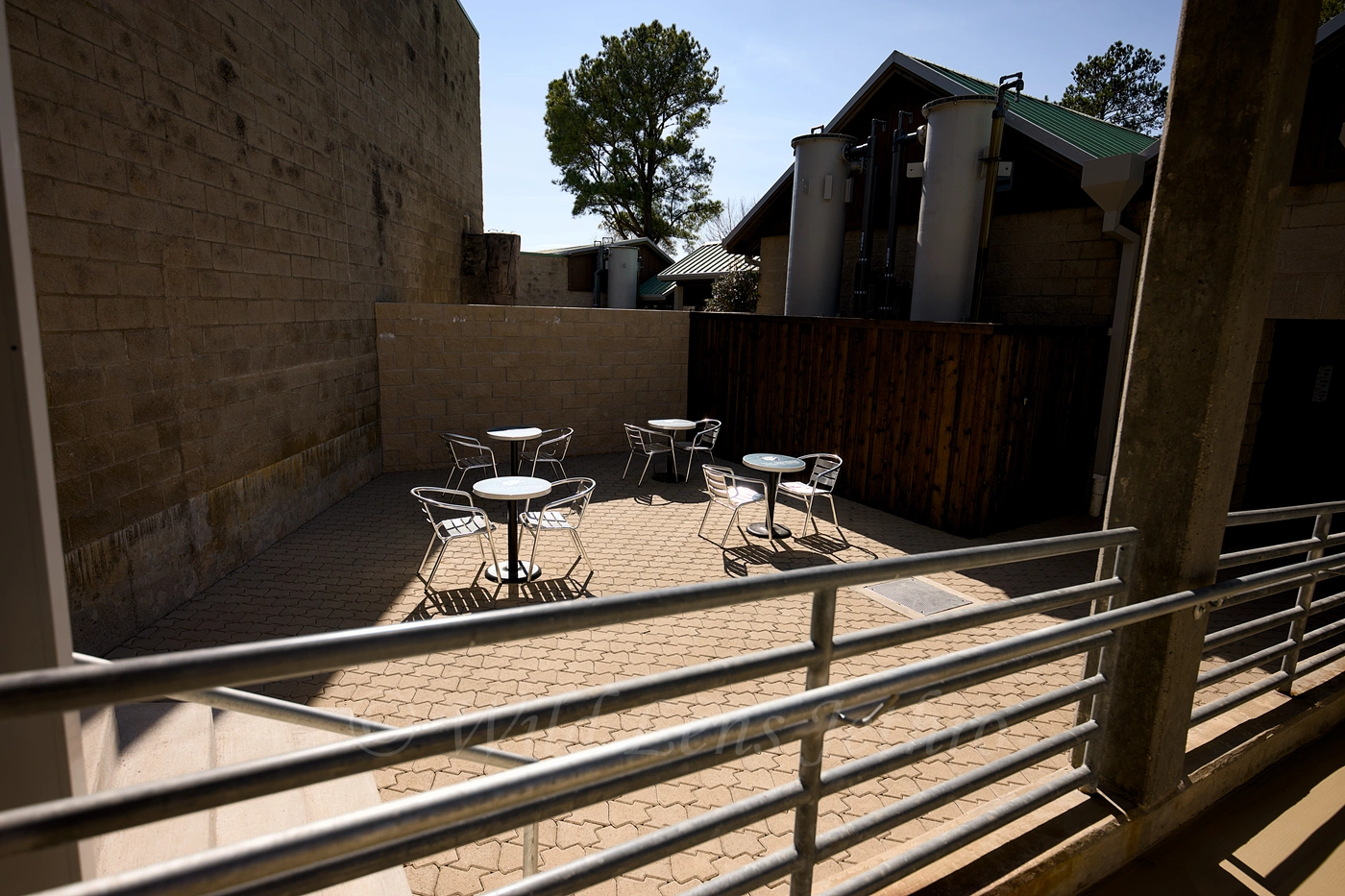
- A small picnic area outside the exhibits building
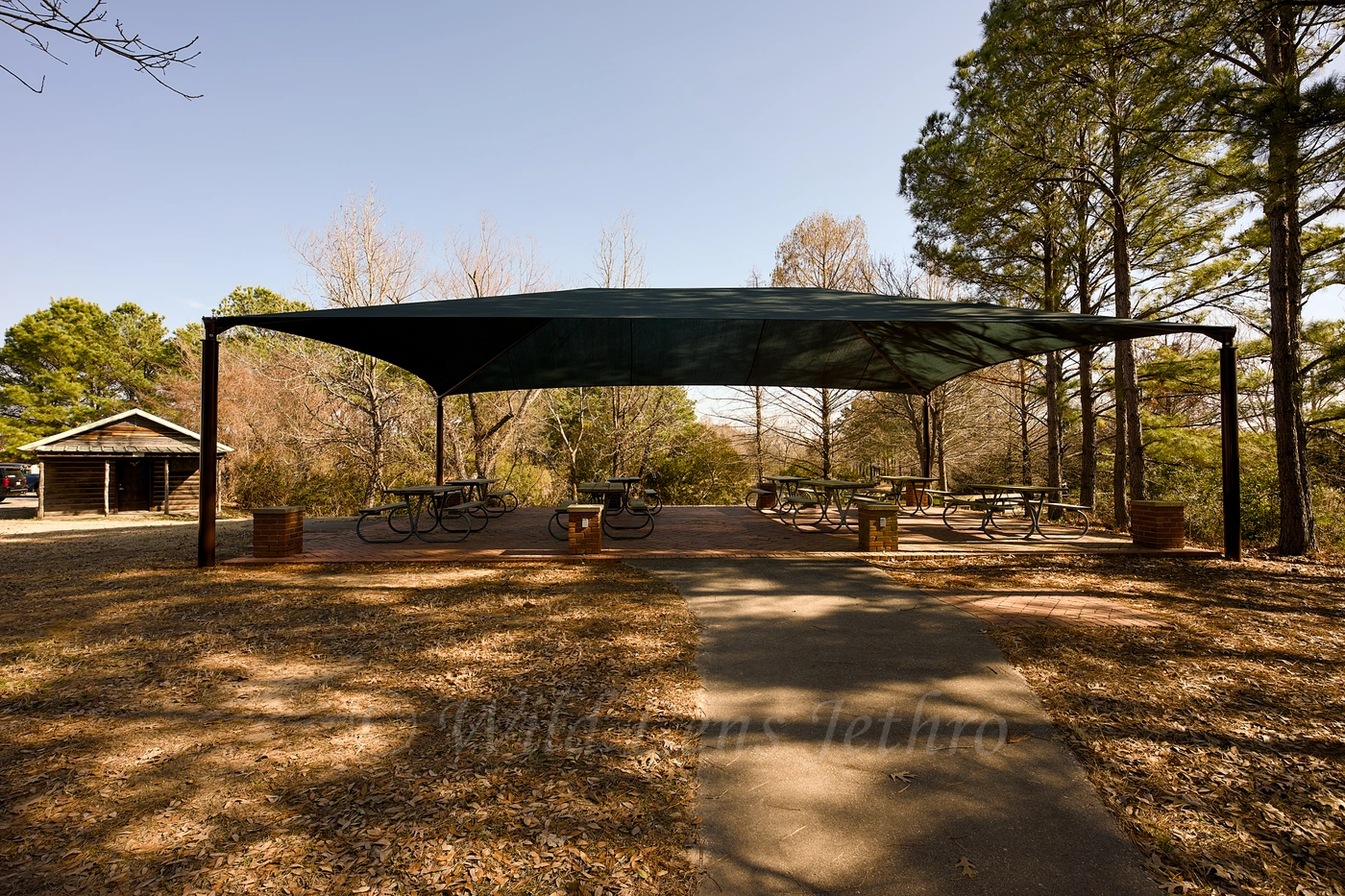
- A medium-sized picnic beside the fishing gear checkout
- A large picnic area shortly after the Wetlands Trail
Restrooms: Rely on the nice bathrooms inside the main exhibits building. There is another restroom at the very end of the trail, but it is frequently closed, so do not count on it.
If you want to grab a bite before or after your visit, I highly recommend the Athens Boathouse Bar and Grill. It is literally one minute away, located right on the lake to keep the aquatic theme going. It is one of my favorite spots in Athens—with pleasant outdoor seating right on the Athens lake and delicious fish tacos and burgers.
Photography Tips
The Texas Freshwater Fisheries Center offers photography opportunities for local Texas fish, plus birds and turtles along the trail.
Photographing fish through tank glass is notoriously difficult due to reflections, but it is manageable with the right technique:
- Shooting Through Glass: When shooting with my Nikon Z6 III, I found that pressing the lens flare hood directly against the glass, combined with a little zoom, is the best way to cut through the glare. You might still get some reflections around the edges of your frame, but you can easily crop those out later during editing.
- Focusing Challenges: Fish swimming right up against the glass will be hard to capture due to your lens’s minimum focus distance. Standing further back helps with focus but introduces more glare. For those extremely close-up subjects, switching to your phone is often the best workaround due to the tiny lenses of smartphones.
- Outdoor Opportunities: Save plenty of battery for the Wetlands Trail. The trees, bridges, birds, and basking turtles offer fantastic natural lighting and great wildlife photography setups.
Visiting Tips
- Spring offers the most scenic trail experience.
- Dress appropriately in fall and winter; both indoor and outdoor areas can be chilly.
- Plan your visit around the tank show and tram ride (typically around 2:00–2:30 PM).
- Bring or plan food ahead of time.
- While the fisheries center is good for kids, especially if they like fishing, note that there aren’t any high-energy attractions to burn off steam.
Final Verdict
The Texas Freshwater Fisheries Center is not a grand aquarium experience if that’s what you’re looking for. Rather, it’s a working conservation facility that invites the public to participate in fishing, learn about freshwater ecosystems, and enjoy peaceful East Texas scenery. With low admission costs, educational exhibits, free fishing gear, and scenic walking trails, it offers strong value—especially for families and anglers.
Should you go? If you are a fishing enthusiast, a family looking for a lovely picnic spot, or a casual visitor wanting a quiet walk through nature, yes. It won’t dazzle you with exotic fish or elaborate exhibits, but that’s not what it’s trying to do. The Texas Freshwater Fisheries Center is an unhurried, genuine slice of East Texas—the kind of place where a kid catches their first fish, a retiree finds a peaceful morning walk, and a photographer discovers a warbler in the pines. For what it is, it’s quietly wonderful.